How to Get Rid of Roaches Under the Kitchen Sink (With a Baby at Home – Just Started Seeing a Few)
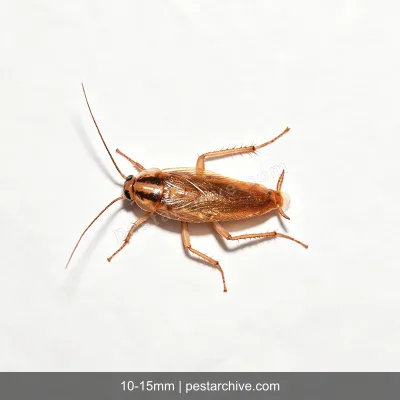
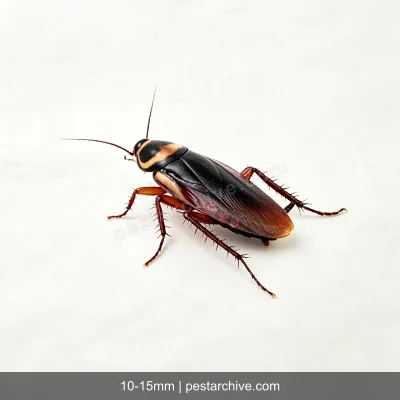
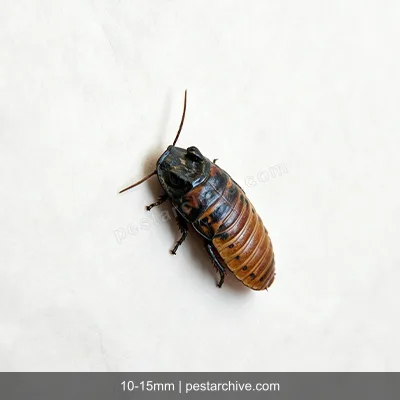
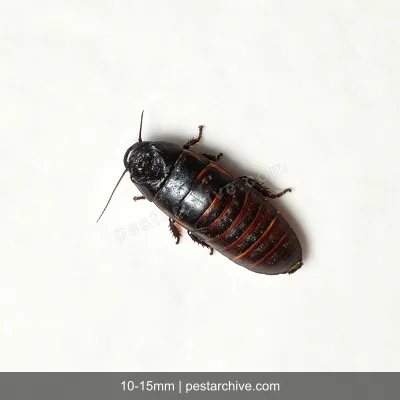
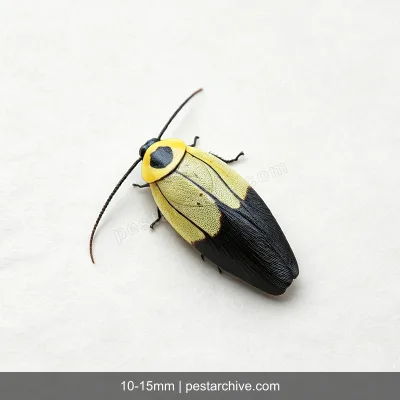
Is This What's Happening Under Your Kitchen Sink? 3 Signs to Check
Before you start, figure out which situation you're dealing with:
Just started seeing a few: You spot 1-2 roaches under the sink now and then. No egg cases (those brown bean-shaped things), no obvious roach droppings (tiny black specks). Physical methods alone can handle this.
They keep coming back: You see roaches every week – clean up and a few days later they're back. Besides physical removal, you'll also need to check sewer lines and wall gaps for entry points.
If you have a baby at home: The space under the kitchen sink is usually where you keep dish soap, cleaners, and supplies. Roaches love warm, damp corners – the cabinet floor around the drain pipe is a prime spot. Don't dig through the cabinet with bare hands. Use your phone's flash to take a photo first, confirm where the roaches are, then act.
What Tools Do You Need to Clear Roaches Under the Kitchen Sink?
All physical tools – no bug spray required:
- Handheld vacuum or vacuum with crevice tool – to suck up roaches, egg cases, and droppings
- Silicone sealant (neutral cure, mold-resistant) – to seal gaps between pipes and cabinets
- Utility knife or scraper – to remove old sealant and grime
- Stainless steel scrubbers or fine mesh wire (40-mesh or finer) – to block larger pipe openings
- Rubber gloves – to protect your hands
- Flashlight or phone light – to check dark corners inside the cabinet
- Old toothbrush or small scrub brush – for scrubbing cracks and crevices
- Hot water + dish soap – for cleaning countertops and cabinet surfaces
- Airtight storage containers – to replace food packaging
- Rags or paper towels – to dry up moisture
If you have a baby, keep all tools out of reach and keep the baby out of the kitchen while you're working.
How to Get Rid of Roaches Under the Kitchen Sink – Step by Step
Step 1: Empty and Deep-Clean the Sink Cabinet (about 15 minutes)
Put on rubber gloves and take everything out from under the sink. Use a flashlight to check every corner, paying special attention to:
- Gaps where the floor meets the side panels
- Around the hole where the drain pipe goes through the cabinet
- Cabinet door hinges
- The gap between the cabinet back and the wall
Use the vacuum with the crevice tool to thoroughly suck up any roaches, egg cases (brown bean-shaped, about 8mm long), and black droppings. Right after you're done, seal the vacuum bag or canister contents in a plastic bag and toss it in the outdoor trash – don't leave it inside. Wash all cabinet surfaces – floor, sides, and inside doors – with hot water and dish soap. Wipe everything completely dry with a clean rag. Roaches can't survive more than a week without water.
Step 2: Seal Gaps and Pipe Openings (about 20 minutes)
Scrape off any old, loose sealant around the drain pipe with a utility knife. Wipe the surface clean and let it dry. Run a bead of silicone sealant (neutral cure, mold-resistant) around the joint where the pipe meets the cabinet. Smooth it with your finger or a scraper. Let it cure fully – check the tube for timing, usually 2-4 hours.
For pipe openings larger than 5mm in diameter, stuff them with steel scrubber or fine wire mesh (40-mesh or finer) first, then seal over with silicone. Check gaps between the cabinet and the wall, and between the cabinet floor and side panels – seal those too.
After this step: You've cut off the roaches' path up from the sewer. This is the most important step – more important than cleaning. If you seal it well, roaches can't get in at all.
Step 3: Make the Environment Less Attractive (daily maintenance)
Check for any leaks or drips under the sink. Even a tiny drip is a water source for roaches. Tighten all pipe connections and wipe condensation off the pipes. Wrapping pipes with foam insulation sleeves helps reduce condensation.
Don't store cardboard boxes, paper bags, or newspapers under the sink. Roaches eat the glue on boxes and lay eggs in the corrugated channels. Transfer all dry goods (flour, rice, pasta, etc.) from original packaging into airtight plastic or glass containers.
Wipe down kitchen counters every night – don't leave food scraps out. Don't let dirty dishes sit in the sink overnight. Empty the trash daily – especially bags with fruit peels or leftovers – tie them up and take them out at night. Roaches are nocturnal, and nighttime food sources are what draw them in.
Step 4: Give It 2 Weeks – Only Then Consider Baits
After completing the steps above, wait and watch for 2 weeks. Each night before bed, use a flashlight to do a quick check under the sink.
If you don't see any roaches for 2 weeks, the physical methods worked. Just keep up the daily maintenance.
If you still see roaches after 2 weeks (even just one), there may be a hidden nest nearby or an entry point you missed. At that point, you can consider using gel bait. If you have a baby, place bait dots deep inside the cabinet – at the back, behind the drain pipe, inside hinge areas – where a baby can't possibly reach. Each dot should be about the size of a grain of rice, and just 3-5 dots total. Don't put bait on countertops, floors, or outside the cabinet. No need for large-scale baiting.
When Will You See Results? What Counts as Failure?
Days 1-3: After cleaning and sealing, you might not see roaches that same night. If you still spot one occasionally, it's probably one that was hiding deep and got missed – keep watching.
Week 1: If you sealed thoroughly, roach numbers should drop noticeably. Spotting one that wandered in from another room is normal.
Week 2: This is the make-or-break point. If you're still seeing roaches daily after 2 weeks, physical measures weren't enough – either there's a hidden nest or an entry point you haven't found. Go back with the flashlight and re-check all gaps, or consider gel bait.
When to call a pro: If you find holes chewed through the cabinet floor, more than 10 egg cases, or see 5+ roaches every night, call a licensed pest control company. Heavy infestations need professional equipment and experience – DIY takes too long, and with a baby you can't afford to wait.
What NOT to Do When Getting Rid of Roaches
- If you have a baby: Don't spray insecticide inside the sink cabinet or on the kitchen floor. Spray droplets drift widely and settle on counters, dishes, and the floor. Babies crawl and put their hands on everything – residue exposure can cause skin irritation.
- If you have a baby: Don't put roach traps or sticky boards under the sink. Babies are curious – they might open the cabinet, touch them, or worse, put them in their mouth.
- Don't use bleach: Bleach doesn't kill roaches – it just sanitizes surfaces. Roaches aren't bothered by it, and the fumes are worse for a baby's respiratory system.
- Don't pour boiling water: Boiling water can damage PVC pipes and sealant, causing leaks. It's also a burn hazard, especially with a baby around.
- Don't clean without sealing: If you clean the cabinet but don't seal the gaps, roaches will be back in a few days via the pipes. Sealing is more important than cleaning – you must do both.
- Don't spray at a single roach: Roaches are fast – spraying might not kill it, and you'll just leave residue on kitchen surfaces and in the air. One roach isn't worth chemicals.
How to Keep Roaches from Coming Back Under the Sink
7-day maintenance: Wipe dry the sink and counters every night before bed. Empty trash, don't leave dirty dishes overnight, and keep counters clear of food scraps.
15-day maintenance: Every two weeks, open the sink cabinet and do a quick flashlight check for new droppings (tiny black specks) or egg cases. Check that sealant is still intact with no new cracks.
30-day maintenance: Once a month, deep-clean the sink cabinet. Take everything out, wash all surfaces with hot water and dish soap, and dry thoroughly. Check pipe joints for leaks and inspect sealant for needed repairs.
Kitchen Roach Removal Checklist
- Did you take everything out of the sink cabinet and check each item?
- Did you vacuum up all visible roaches, egg cases, and droppings?
- Did you seal all gaps around the drain pipe with silicone?
- Did you plug pipe openings over 5mm with wire mesh before sealing?
- Did you wipe all cabinet surfaces completely dry?
- Did you replace cardboard boxes and paper bags with airtight plastic or glass containers?
- Are you cleaning counters and emptying trash every night?
- Have you gone 2 weeks without seeing any roaches?
Kitchen Roach FAQs
Can roaches crawl up through the sink drain?
Yes. Roaches can climb the inside of drain pipes and enter through overflow openings or gaps where the pipe meets the cabinet. Sealing around the pipe is the simplest, most effective fix. If roaches keep coming from the drain direction, install a pest-proof P-trap or replace the drain insert with a self-closing one.
Why are roaches so common under the sink?
Three things come together: dampness (water source), warmth (hot water pipes), and darkness (cabinet doors stay closed). Roaches love this combo. Add in the clutter usually stored there, and you've got plenty of hiding spots. Cut off both water (wipe dry) and hiding places (clear clutter), and the area stops being attractive.
Why are there roaches even when the kitchen looks clean?
Roaches eat way more than leftovers. They'll feed on soap scum and grease around the sink edge, glue and starch from cardboard boxes, hair and skin flakes, even dead roaches and their droppings. So even if the kitchen looks clean, if there's water (even condensation on pipes) and hiding spots (cracks), roaches can survive. Deep cleaning plus sealing gaps is the real solution.
Is sealing gaps enough without cleaning?
No. If there are already egg cases inside the cabinet, sealing traps the newly hatched roaches inside – they can't leave, but they'll still breed. You have to deep-clean (remove all egg cases and droppings) first, then seal. That way the space isn't livable for roaches.
* * * 2. Cockroaches