How to Prevent Rove Beetles from Coming Indoors
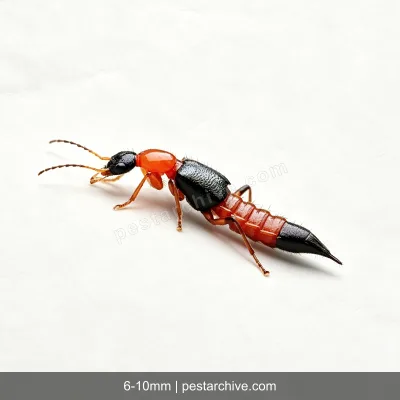
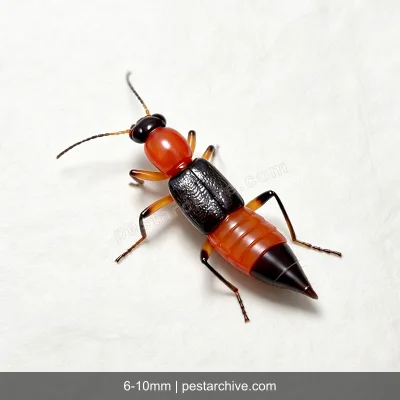
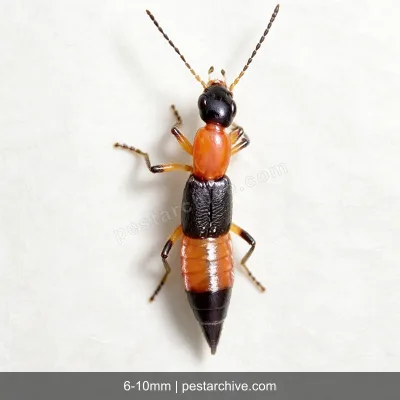
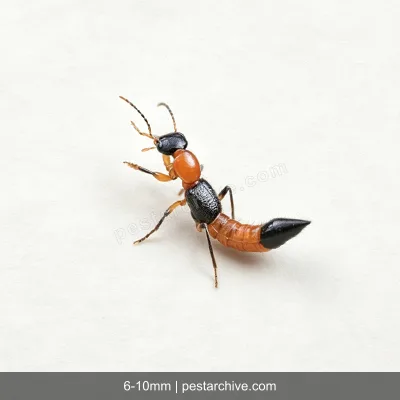
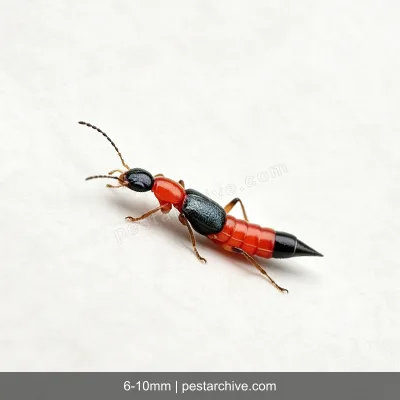
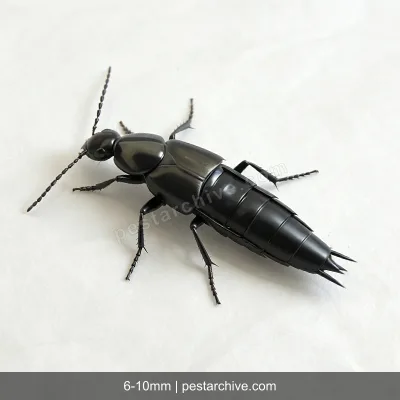
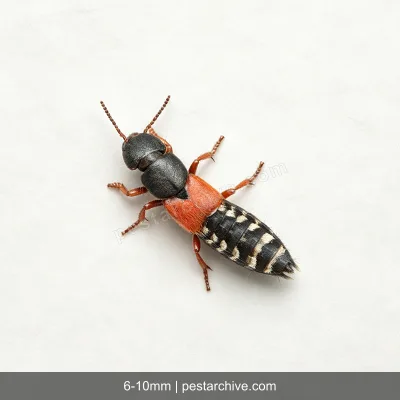
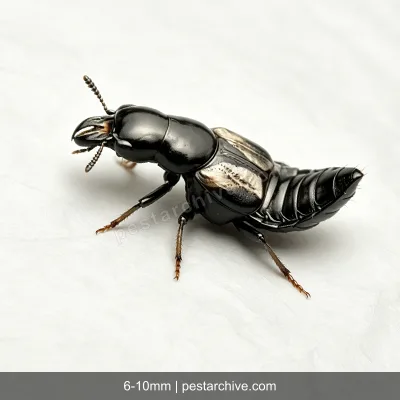
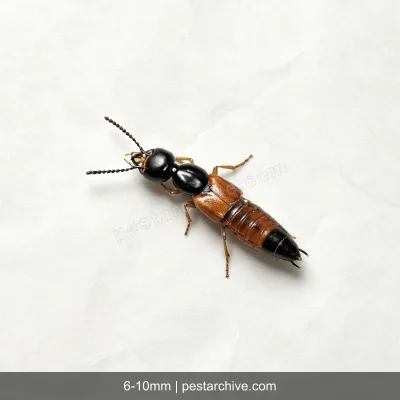
Real scene: For several summer nights in a row, you've spotted those slender black-and-red bugs crawling on your bedroom wall. You don't know where they're coming from, but every sighting makes you uneasy. You've heard the stories about rove beetle fluid burning people's skin.
Quick answer: Rove beetles get in through clear paths: gaps around doors and windows, torn screens, and light attraction. Prevention needs three layers working together: physical barriers to block entry, light management to reduce attraction, and yard cleanup to remove the source.
Layer 1: Door and window barriers
Rove beetles are smaller than mosquitoes. Standard screens don't stop them. To keep rove beetles out, you need screens with 40 mesh or higher, meaning 40 or more openings per inch. Check your screens. If the mesh looks like a typical mosquito net, it probably won't stop rove beetles.
- Replace or add screens with 40 mesh or finer.
- Check screens monthly for holes or edges coming unglued. Patch even pinhole-sized tears right away.
- Keep gaps under doors under 5 mm. If they're wider, add weather stripping.
- Fill gaps between window frames and walls with caulk or foam sealant.
- Seal holes around air conditioner pipes with steel wool and foam sealant. Rove beetles can crawl in along pipes.
Layer 2: Light management
Rove beetles are strongly attracted to light. That's their main reason for coming indoors. Where there's light, they go. Managing light correctly can stop most invasions:
- During summer and fall (May through October), keep lights off in rooms with open windows after dark.
- If you must turn on a light, close the curtains first to reduce light leaking outside.
- Replace porch and yard lights with warm yellow bulbs. Rove beetles are much less attracted to yellow light than to white or blue.
- Don't mount yard lights directly facing doors or windows. Place them at least 10 feet away and aim them away from the house.
- If you open windows for ventilation at night, only open ones on the side without lights.
Layer 3: Yard and environment cleanup
Rove beetles hide during the day in damp, dark places: grass roots, leaf piles, stone crevices, and near compost bins. At night they come out to feed and are drawn to lights on your house. Reducing hiding spots around your home means fewer beetles nearby:
- Trim weeds regularly around the house, especially along the foundation and under windows. Keep at least a 30 cm bare-soil clearance zone.
- Sweep up fallen leaves and dead branches promptly. Don't pile them against walls.
- Keep compost bins and trash cans sealed and positioned away from doors and windows.
- Lower-floor units (floors 1 to 5) have the highest risk. If there's landscaping or trees outside, you need stricter measures than upper floors.
- Minimize how long you keep balcony lights on at night, or switch them to warm yellow bulbs too.
Pesticides as a supplement
Physical barriers do the heavy lifting. Pesticides are only a backup. You can spray a residual household insecticide spray along the outside of door and window frames and window sills. Apply a strip about 5 cm wide. Let it dry naturally. The dried film kills rove beetles that crawl over it. It typically lasts for 2 to 4 weeks, but you'll need to reapply after rain. Read the product label carefully and choose a spray labeled for outdoor use on window frames or thresholds. Keep it away from areas where children and pets can reach.
Common mistakes
- Mistake 1: Spraying indoors is enough to prevent rove beetles. Fact: They come in from outside. Indoor sprays treat the symptom, not the cause. The key is sealing entry points and reducing the outdoor population.
- Mistake 2: Standard screens are good enough. Fact: Rove beetles are only 2 to 3 mm wide. Regular screens have mesh that's too large. They slip right through. You need 40-mesh or finer screens.
- Mistake 3: Rove beetles only live in rural or suburban areas. Fact: Urban neighborhoods with landscaping and lawns have them too, especially near parks or waterways.
Preventing recurrence
Before summer starts in May, check all your screens, weather stripping, and gaps around doors and windows. Make physical repairs ahead of time. Draw curtains before turning on lights at night. After fall arrives (late October), do another yard cleanup to reduce places where rove beetles might overwinter.
* * * 3. How to Prevent Fruit Flies in the Kitchen