Rove Beetle Landed on You? What to Do
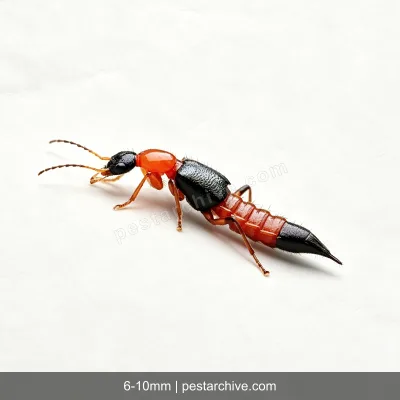
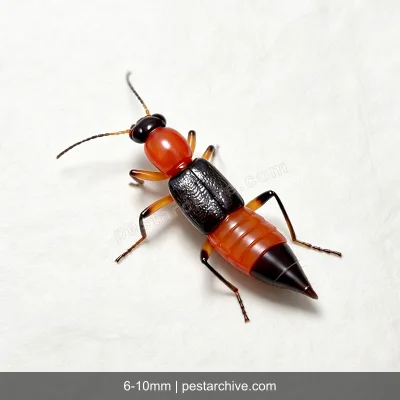
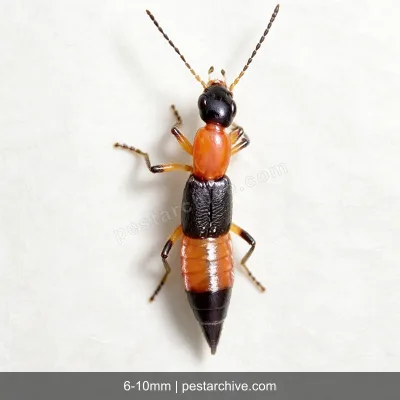
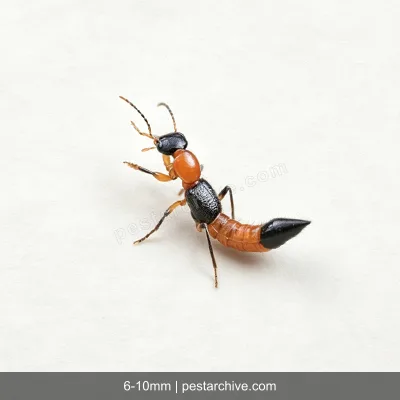
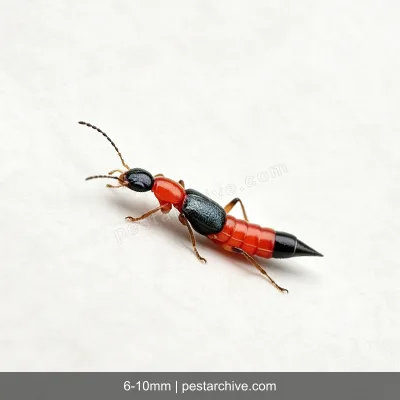
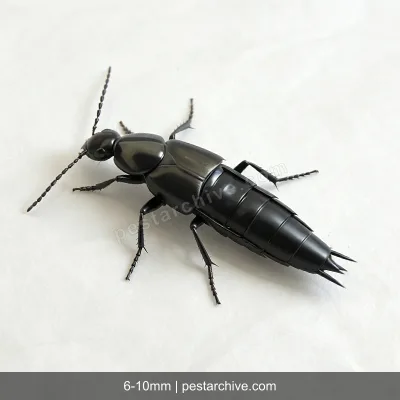
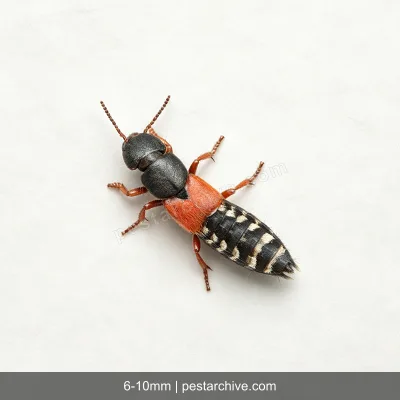
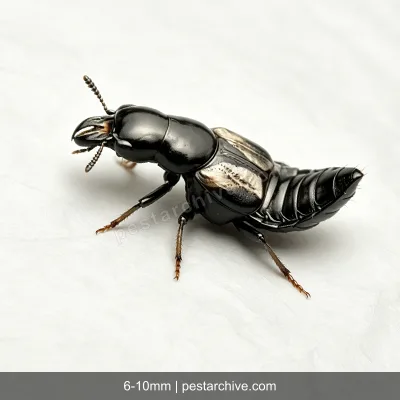
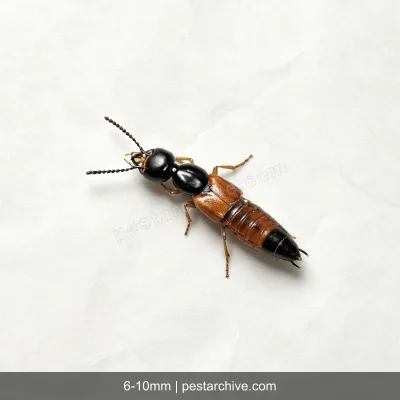
Real scene: It's a summer night. You're at your desk with the lamp on. A small black-and-red insect lands on your arm. On instinct, you slap it. The next morning, that patch of skin is red, painful, and blistered. That's the rove beetle. Your first reaction is exactly the most dangerous one.
Quick answer: Never slap or crush a rove beetle on your skin. Gently blow it off or flick it away with a piece of paper. If you do crush one, rinse the area with plenty of soapy water right away and see a doctor as soon as you can.
Step 1: Don't slap
Rove beetles don't bite or attack people. The danger is in their body fluid, which contains a strong acidic toxin called pederin. The fluid only comes out when the beetle is crushed or squeezed. Slapping it is basically pressing that toxin into your skin.
Step 2: The right way to remove it
- Blow it off gently: A soft breath of air is enough to make it fly away. This is the safest option.
- Flick it with paper: Use a tissue, a business card, or any flat object you have nearby. Flick it from the side without pressing down.
- Don't pick it up with your fingers: Even pinching it can expose your fingertips to the fluid and cause blisters.
Step 3: What if you already crushed it?
- Rinse immediately: Flush the contact area with plenty of running soapy water or plain water for at least 5 minutes. The goal is to dilute and wash away the toxin.
- Don't use hot water: Heat dilates blood vessels and speeds up toxin absorption. Use cold or lukewarm water.
- Don't wipe with alcohol: Alcohol may spread the toxin over a larger area of skin.
- Pat dry gently: After rinsing, pat the area dry with a clean tissue or towel. Don't rub.
- See a doctor promptly: Go to a dermatologist or a local clinic. They will usually prescribe oral antihistamines and topical steroid creams to ease inflammation and burning. Don't apply essential oils, menthol rubs, or toothpaste. These can irritate already-damaged skin and make things worse.
Typical symptoms of rove beetle dermatitis
Symptoms usually appear within 12 to 24 hours after contact with the toxin:
- Linear or patchy red marks on the skin with clear borders
- Small blisters or pustules on the red areas
- Intense burning or stinging pain, not itching
- Brownish dark spots may remain after healing and take months to fade
- The whole dermatitis process typically takes 2 to 3 weeks to fully heal. Don't scratch. Broken skin can lead to secondary bacterial infection.
Common mistakes
- Mistake 1: Rove beetles bite or sting. Fact: They don't. The danger only comes from the fluid released when they're crushed.
- Mistake 2: Use alcohol to disinfect the area. Fact: Alcohol may help the toxin spread. Rinse with plenty of water instead.
- Mistake 3: Mild dermatitis doesn't need a doctor. Fact: If not treated properly, rove beetle dermatitis can lead to secondary infection and long-term dark spots. See a doctor early.
When you must go to the hospital
- If the toxin gets in your eyes: Rinse with plenty of water for at least 15 minutes and go to the emergency room right away. Don't rub.
- If the affected area is larger than the palm of your hand
- If you develop fever, headache, or nausea
- If blisters burst and start oozing pus, or redness expands, which means a secondary bacterial infection may have set in
Prevention tips
Rove beetles are attracted to light. In summer and fall, keep screens closed at night and draw curtains to reduce light escaping outside. Choose screens with a mesh size of 40 or higher. Standard screens won't keep out smaller rove beetles.
* * * 2. How to Prevent Rove Beetles from Coming Indoors