Do Fungus Gnats Bite People?
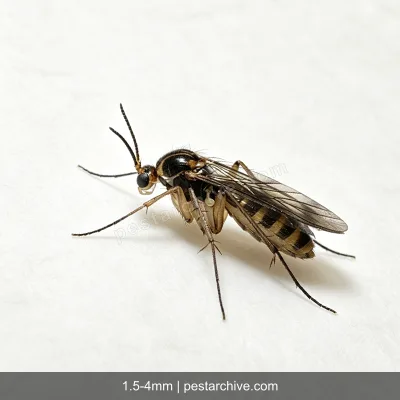
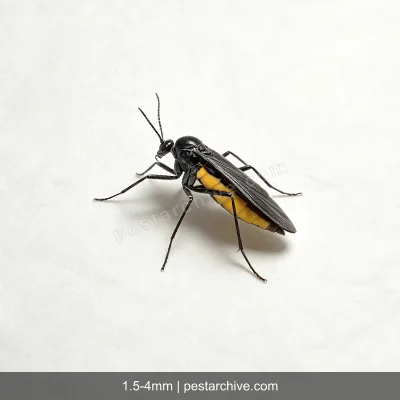
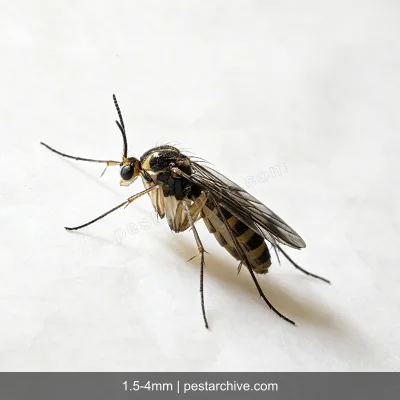
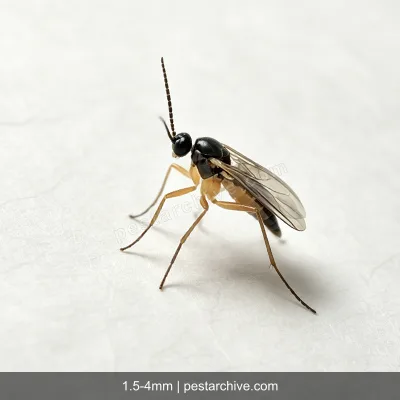
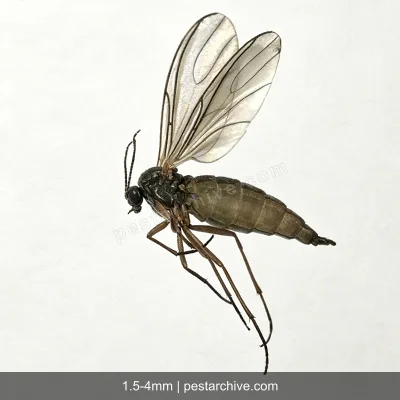
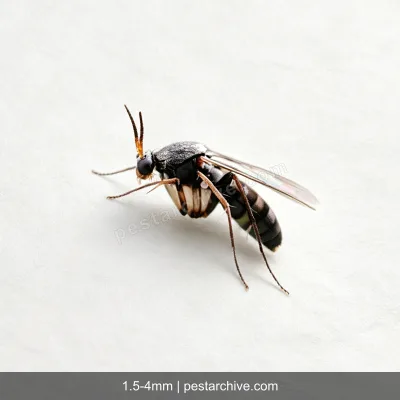
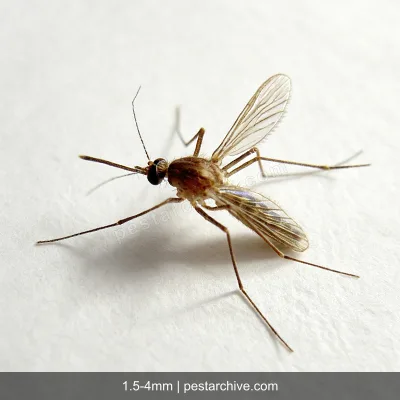
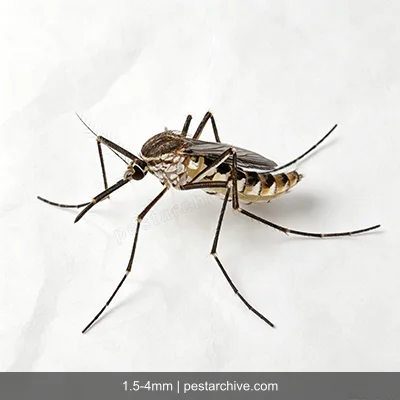
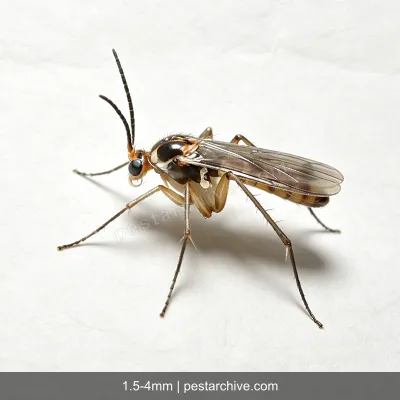
Do Fungus Gnats Bite People?
Fungus gnats don't bite people and don't suck blood. They're essentially harmless to humans.
Why Don't They Bite?
- Fungus gnats have chewing mouthparts designed for feeding on plants and organic matter, not for piercing skin or sucking blood
- Their life cycle and reproduction depend entirely on moist soil. They don't need animal blood
- Unlike mosquitoes (Anopheles, Aedes, Culex), fungus gnats don't have piercing-sucking mouthparts
Common Confusion
Many people say they've been bitten by fungus gnats, but the culprit is more likely biting midges (also called "no-see-ums"). How to tell them apart:
- Location of bites: Biting midges are active outdoors in grassy areas and under tree shade. Fungus gnats hover around indoor flower pots
- Time of bites: Biting midges attack during the day (especially dawn and dusk). Fungus gnats fly around pots all day but don't bite
- Symptoms: Biting midge bites produce small red bumps with noticeable itching. Fungus gnats don't bite and cause no rash
Why Do They Land on People?
Sometimes fungus gnats land on hands or faces, which can be misinterpreted. In reality:
- It's just a mistaken landing. They treat people as just another surface to rest on
- They don't bite. You won't feel anything when they land on your skin
- A puff of breath sends them flying. They won't persist
So What Harm Do They Actually Cause?
Fungus gnats don't bite, but they do create some nuisances:
- Flying around constantly is annoying and affects your enjoyment of your home
- In large numbers, they can fly into water glasses and food
- They can leave small stains on light-colored clothing and walls
- People with pollen allergies may experience mild discomfort
Bottom Line
Fungus gnats are "annoying but harmless" bugs. Their real impact is on plants (larvae feeding on roots), not on people. However, if your flower pots are swarming with them, it means the soil is staying too wet for too long — which isn't good for your plants either. You should still deal with them.