How to use dinotefuran-containing household insecticide spray against fungus gnats?
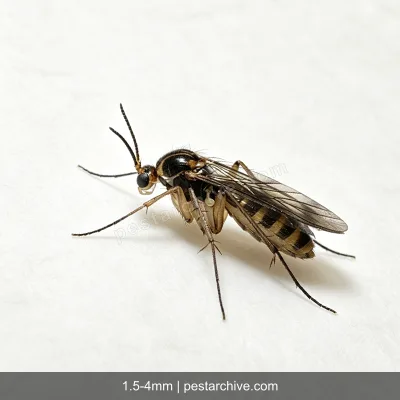
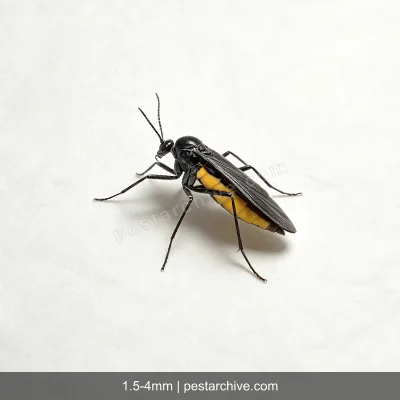
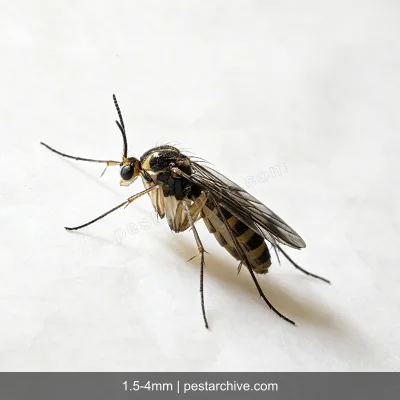
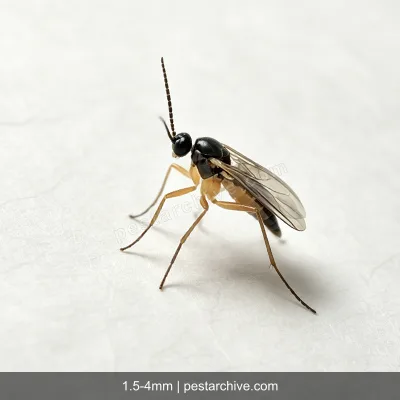
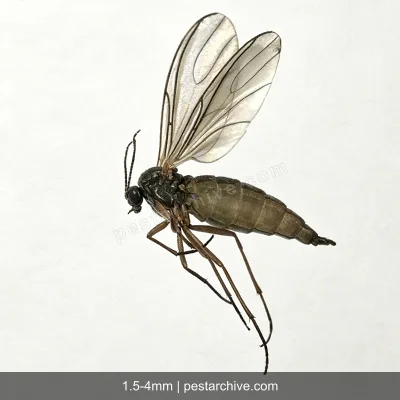
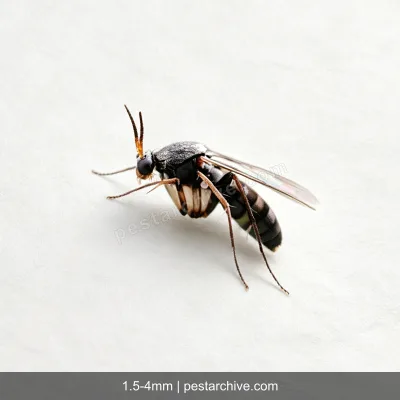
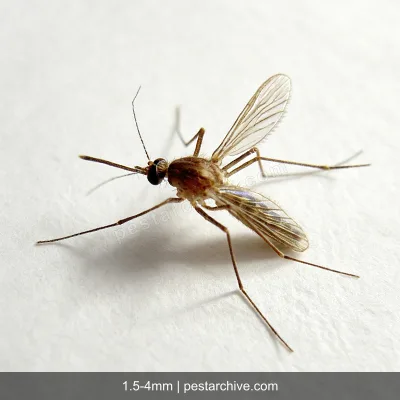
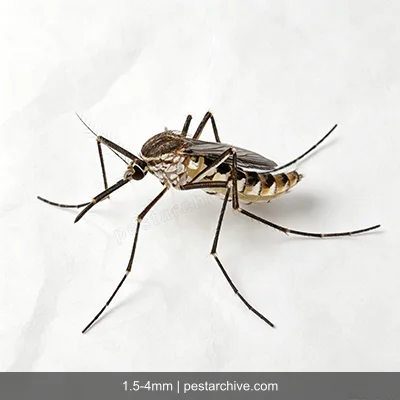
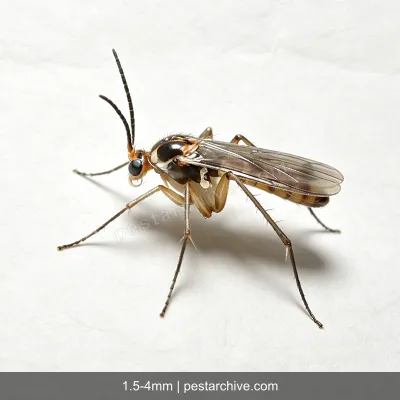
How to use dinotefuran-containing household insecticide spray against fungus gnats? Dinotefuran spray is effective against both adult fungus gnats and larvae, but the application method differs from that for cockroaches and ants and needs to be adjusted for the potted plant environment.
Spray locations (very important)
- Soil surface — spray evenly on the pot's topsoil to allow the insecticide to penetrate 1-2 cm into the soil, killing larvae in the soil.
- Pot rim — adults like to rest on pot rims; spraying creates a film there.
- Tray — also spray the tray; adults resting there will be poisoned.
- Surrounding countertops — spray areas around pots to prevent adults from escaping.
Where NOT to spray
- Do not spray heavily on tender shoots and flowers.
- Do not spray into the water of hydroponic plants.
- If spray gets on leaves, wipe off with a tissue to prevent leaf burn from accumulation.
Application frequency
- Spray every 5-7 days, 2-3 times consecutively — eggs hatch in about a week; timing applications to this cycle is essential for complete elimination.
- Stop when adult numbers have visibly decreased.
- For just one or two, localized spot spraying is sufficient.
Combine with water control for better results
After spraying, appropriately reduce watering frequency to keep the soil relatively dry. A dry environment not only discourages larval survival but also helps the insecticide last longer. Spraying alone without water control will soon lead to a fungus gnat resurgence.