How to prevent fungus gnats in potted plants?
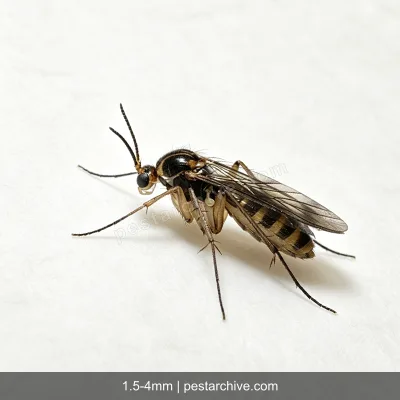
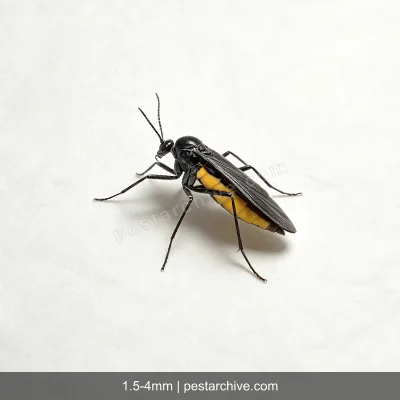
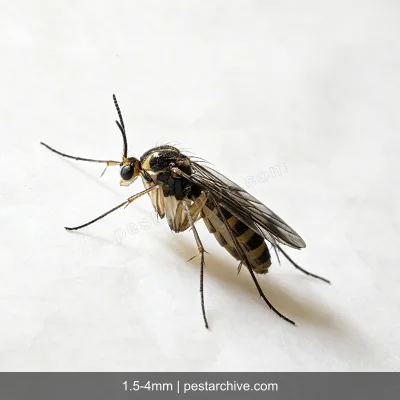
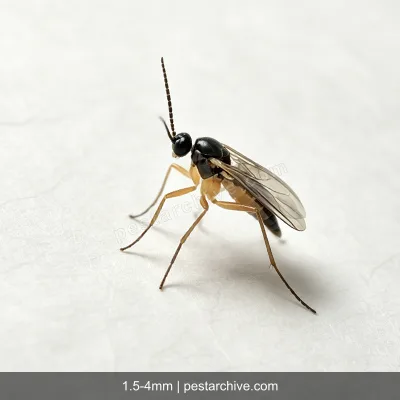
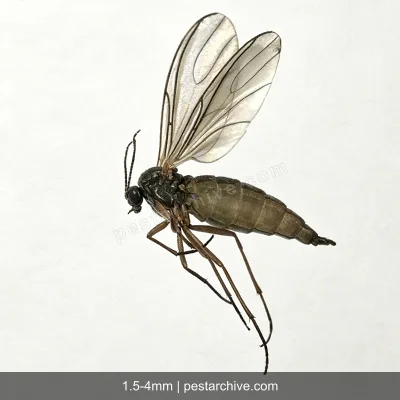
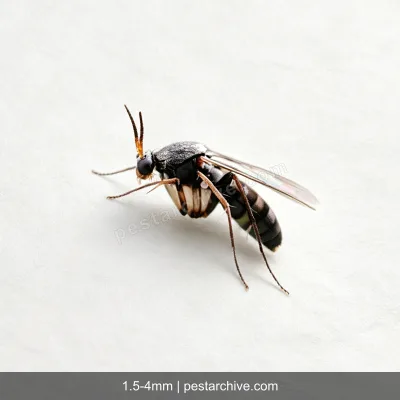
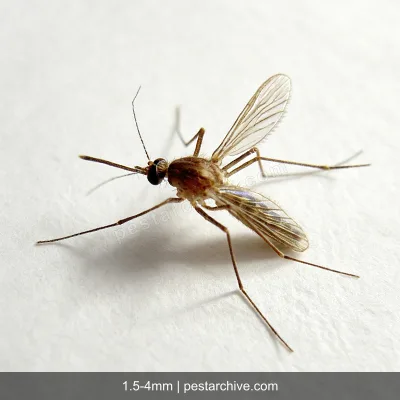
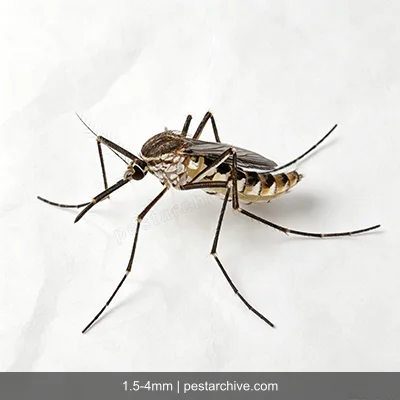
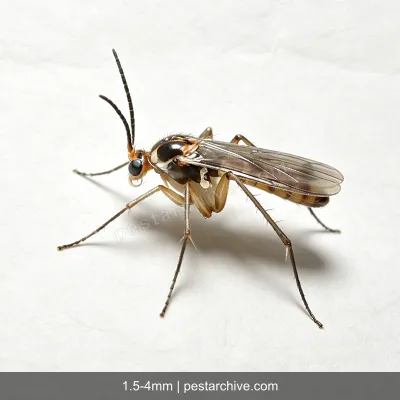
How to prevent fungus gnats in potted plants?
The most fundamental prevention is to change watering and soil habits, cutting off breeding conditions at the source.
Watering management (most important)
- Water only when the soil is dry; do not water on a fixed schedule.
- Insert a finger or bamboo skewer 2-3 cm into the soil; water only if it feels dry.
- When watering, water thoroughly, but empty tray standing water promptly.
- Different plants have different water needs; succulents and cacti require especially strict water control.
- In winter, plant growth slows; extend watering intervals.
Soil and fertilizer use
- Use clean, professional potting soil; do not dig up soil from outside.
- Uncomposted organic fertilizers (raw sheep manure, tea leaves, rice water, etc.) easily attract fungus gnats.
- Use composted organic fertilizers or slow-release fertilizers instead.
- If newly purchased plants have poor soil quality, consider repotting.
Surface covering
- Cover the soil surface with a 1-2 cm layer of coarse sand, gravel, or akadama.
- The cover prevents adults from reaching the soil surface to lay eggs.
- It also keeps the topsoil dry, which is unfavorable for larval survival.
- Aesthetic and practical.
Quarantine new plants
- Keep newly purchased potted plants isolated for 7-10 days of observation.
- During this period, water normally and watch for fungus gnats emerging from the soil.
- Only place them near other plants after confirming they are fungus gnat-free to prevent cross-contamination.
Early detection and treatment
If you see even a few fungus gnats, immediately spray a little dinotefuran-containing household insecticide on the soil surface to control them before they multiply. Don't wait until they are in large numbers.