Can centipedes breed in flower pots?
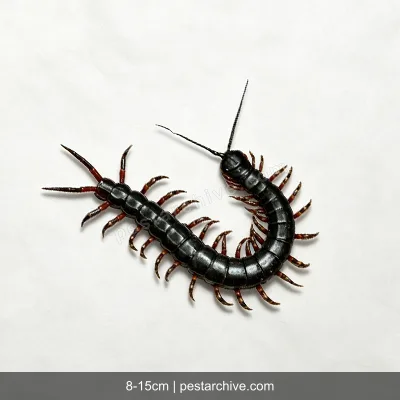
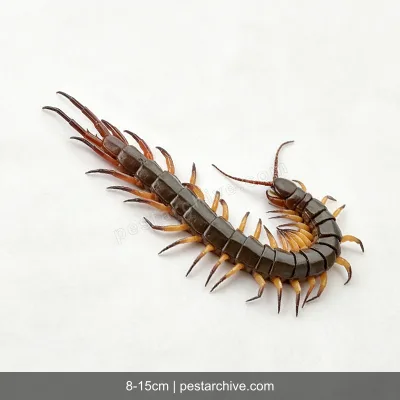
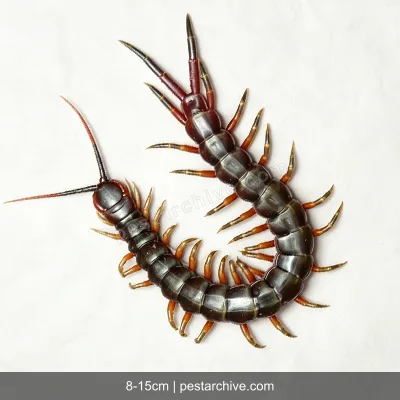
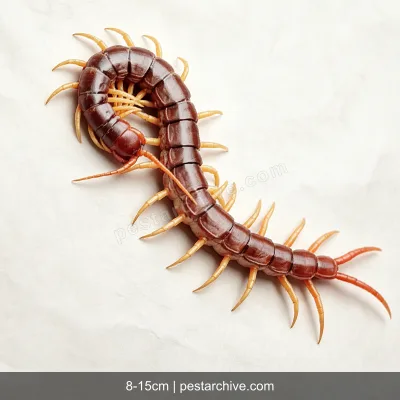
Can centipedes breed in flower pots?
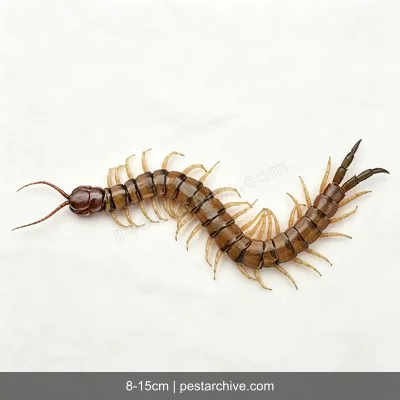
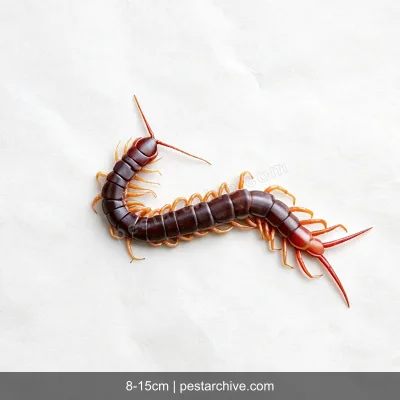
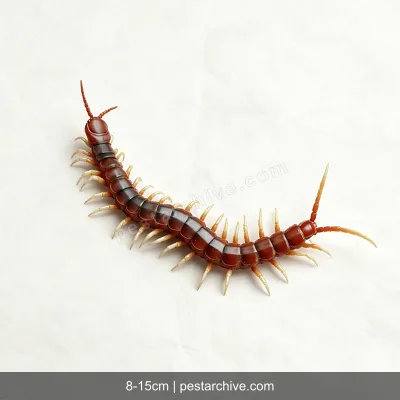
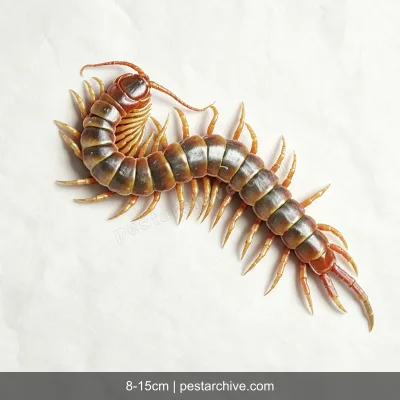
Centipedes can inhabit and possibly breed in flower pots, though it is relatively uncommon. Flower pots provide favorable conditions — damp, dark, and with food sources.
Reasons centipedes appear in pots
- Wet soil — overwatering or standing water in the tray keeps soil constantly moist, meeting centipedes' high humidity requirement.
- Abundant organic matter — decaying roots, leaves, moss, and humus attract small insects that centipedes prey on.
- Suitable temperature — pots in sunlight are warmer than the cold ground, favoring centipede activity.
- Convenient hiding — gaps between the pot and tray, and drainage holes, are ideal hiding spots.
How to tell if centipedes are in a pot
- Seeing centipedes quickly emerge when you disturb the soil.
- Centipedes escaping through drainage holes when watering.
- Finding shed skins under the tray.
- Seeing centipedes crawl on walls or floors near the pot.
- Centipede eggs take about 40-50 days to hatch, so their presence indicates the soil has not been disturbed for some time.
Dealing with centipedes in pots
- Repot with fresh soil — remove all old soil and replace with new potting mix; discard or sun-bake the old soil.
- Check roots — trim any rotting roots during repotting to reduce organic decay.
- Wash the pot — scrub the inside, outside, and tray, especially around drainage holes.
- Reduce watering — water only when the topsoil is dry; avoid keeping soil constantly wet.
- Spray insecticide — spray the outer pot walls, tray, and surrounding floor with bifenthrin-containing household insecticide.
Preventing centipedes in pots
After watering, empty the tray promptly. Allow the soil surface to dry out between waterings. For outdoor pots, elevate them off the ground to reduce access from below.