How to Treat a Centipede Bite at Home
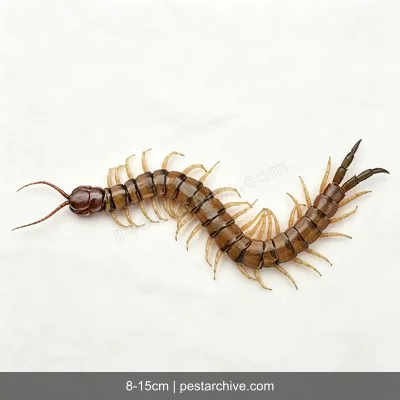
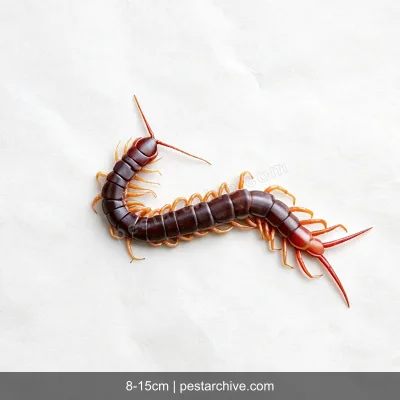
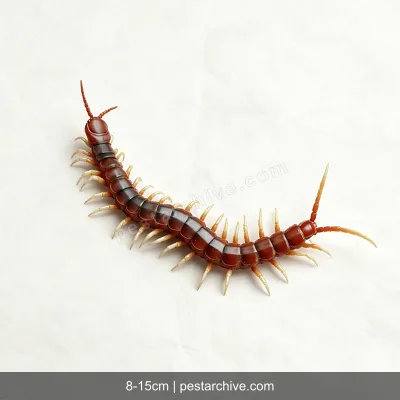
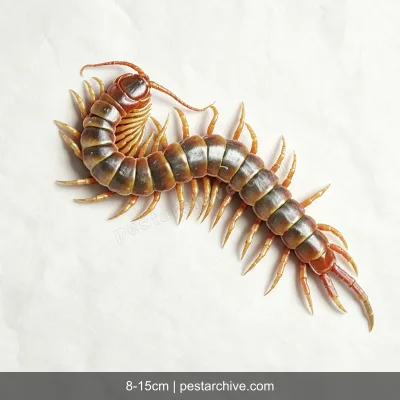
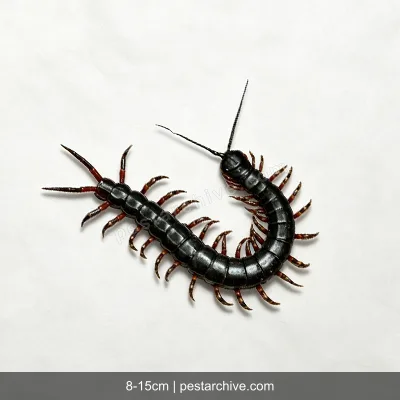
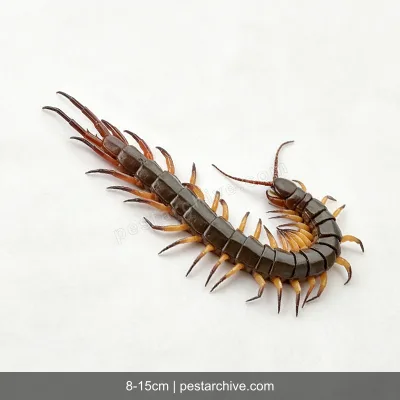
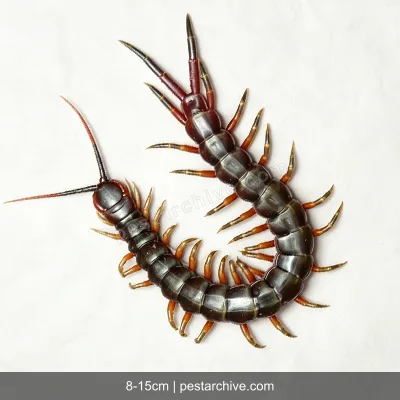
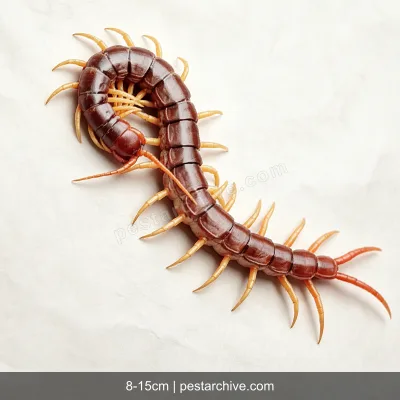
Are Centipedes Venomous?
Yes, centipedes are venomous. Their first pair of legs is modified into venom claws (forcipules) used for hunting and self-defense. But centipede venom is far less potent than snake or scorpion venom and does not pose a life-threatening risk to people.
How Centipede Venom Works
- The venom claws are like a pair of sharp hooks that inject venom when they seize prey
- The venom contains various proteins and enzymes that paralyze small insects and begin digesting tissue
- It's lethal to small prey (roaches, spiders, ants, etc.), immobilizing them in seconds
- For humans, the venom dose is too small — it only causes a localized reaction
Symptoms of a Centipede Bite
- Intense pain — The bite feels like a bee sting multiplied by ten; the sharp pain lasts for hours
- Redness and heat — The area around the bite rapidly becomes red and swollen, and feels warm to the touch
- Localized itching — After the pain subsides, itching may follow
- Swollen lymph nodes — Nearby lymph nodes may swell in severe cases
- Systemic reaction — A very small number of people may experience dizziness, nausea, or heart palpitations (usually caused by anxiety)
How to Treat a Centipede Bite
- Wash the wound thoroughly with soap and water
- Apply an ice pack to reduce swelling and pain (10-15 minutes at a time)
- Take ibuprofen or acetaminophen orally for pain relief
- Apply calamine lotion or a mild steroid cream topically for itching
- In the vast majority of cases, no medical attention is needed — redness and swelling peak at 24-48 hours, then gradually subside; full healing takes 1-3 days
- Avoid scratching the bite to prevent secondary bacterial infection
When to See a Doctor
Seek medical help if you develop difficulty breathing, a body-wide rash, throat swelling, rapid heartbeat, or other signs of a severe allergic reaction — or if the wound becomes infected with pus.