Can bifenthrin kill centipedes?
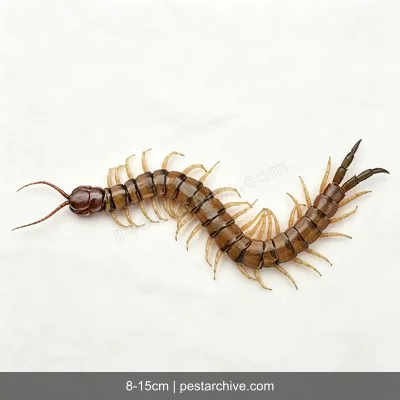
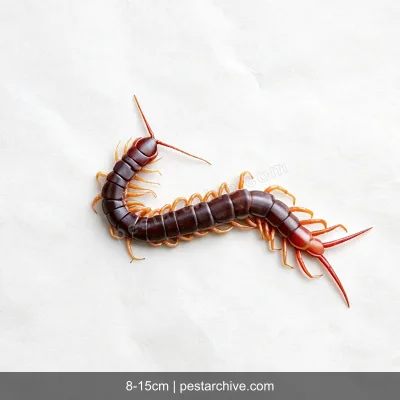
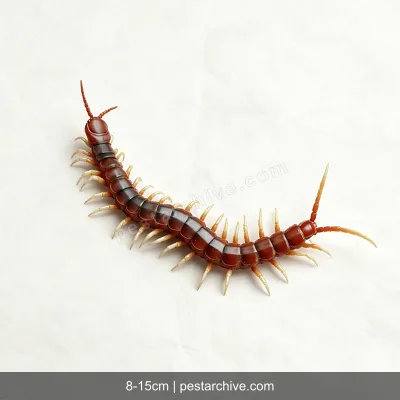
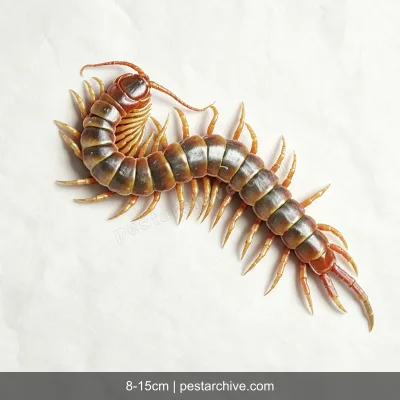
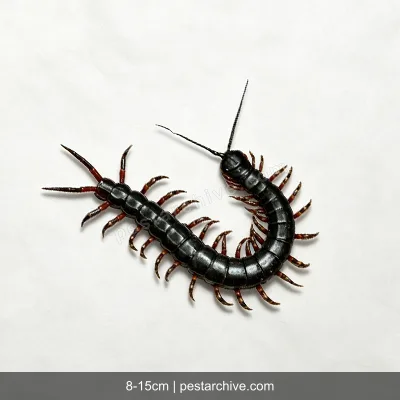
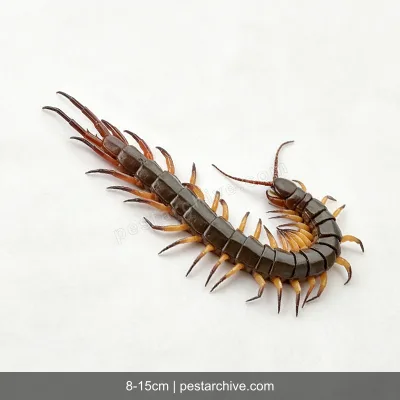
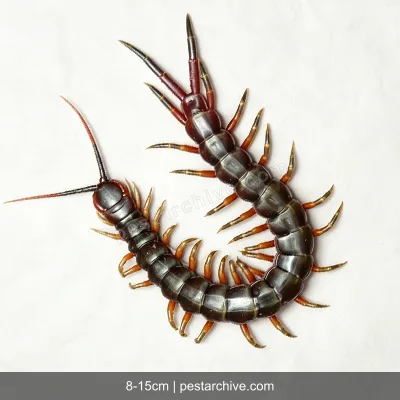
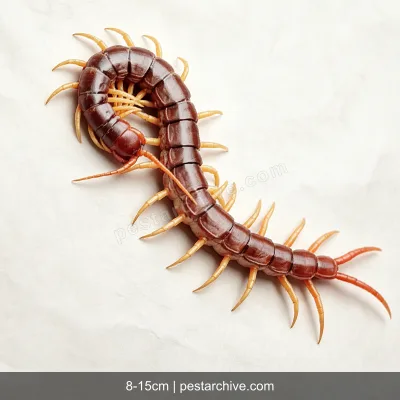
Can bifenthrin kill centipedes?
Bifenthrin is highly effective against centipedes. Centipedes have soft body walls and crawl close to the ground, making their abdomens prone to contact with the treated surface; bifenthrin kills them through contact action.
How bifenthrin works on centipedes
Bifenthrin acts on the insect's nervous system, blocking nerve signal transmission and causing paralysis and death. Centipedes are poisoned upon contact with either the liquid spray or dried residue, without needing to ingest it — more effective than many ordinary insecticides.
Application methods
- Direct spraying — when you see a centipede, spray it directly; it will stop moving within seconds.
- Residual spraying — spray along walls, door gaps, window sills, and foundations where centipedes may pass; the dried film kills them on contact.
- Barrier spraying — spray a band around the foundation to block outdoor centipedes from entering.
- Key areas — focus on bathroom corners, behind washing machines, storage rooms, and other damp areas.
Residual duration and precautions
- Bifenthrin residue lasts about 2-4 weeks; centipedes crossing it during this period will be poisoned and die.
- Death occurs within 30 minutes to 2 hours after contact, depending on dosage and centipede size.
- Keep treated areas dry; avoid mopping or scrubbing, which can remove the residue.
- Outdoor sprays are washed away by rain and need reapplication.
- Bifenthrin is also effective against common household pests (cockroaches, ants, fleas, etc.).
Other effective insecticides
Besides bifenthrin, other pyrethroids are also effective, but bifenthrin offers better speed and residual activity.