Roaches Keep Coming Back – Where's the Nest? 4 High-Probability Spots from Kitchen to Bathroom
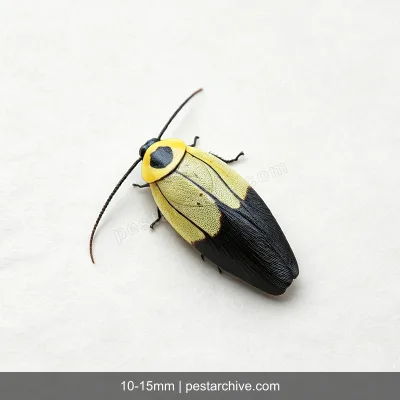
What Does Recurrence Mean? First, Understand Roach Aggregation
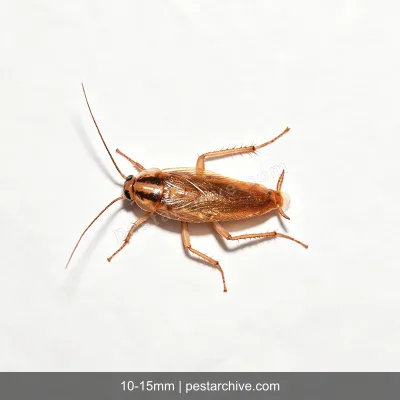
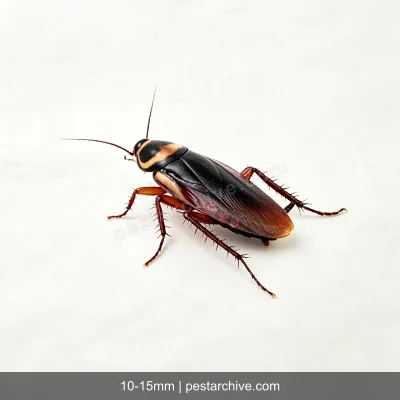
Roaches are social insects – they release aggregation pheromones to attract others to safe harborage spots. When one roach finds a good hiding place (dark, damp, warm, with food nearby), it marks the spot with chemical signals in its droppings, drawing more roaches to gather.
So those few roaches you see are just the tip of the iceberg. Their harborage (nest) holds many more. If you don't find and eliminate this harborage, removing the surface roaches just means the harborage keeps sending out replacements. That's the real reason roaches "never seem to go away."
What Tools Do You Need to Find Roach Nests?
- Bright flashlight – essential for dark corners
- Phone or small mirror – to check blind spots, behind furniture, and underneath
- Rubber gloves – for handling items that may have roach droppings
- Screwdrivers (Phillips and flathead) – to remove appliance back panels or cabinet kick plates
- Vacuum with crevice tool – to suck up any harborage you find
- Sealable trash bags – to immediately seal and discard vacuum contents
3 Clues for Finding Roach Nests
When searching, any of these three clues means a harborage is nearby:
- Droppings (most reliable): Roach droppings are dark brown to black granules, about 0.5-1mm. If you see clusters of black specks in cabinet corners, behind appliance vents, or in hinge gaps – like someone spilled ground pepper – those are roach droppings. Where droppings concentrate, roaches are active
- Egg cases (confirms breeding): Roach egg cases (oothecae) are bean-shaped, dark brown, about 8mm long. Females deposit them in hidden crevices. Finding one means roaches aren't just passing through – they're breeding. One egg case can hatch 30-40 nymphs
- Odor (supporting clue): Large roach aggregations produce a distinctive oily, musty smell – like a sour rag or greasy odor. If it's noticeable, roach numbers are already high
4 High-Probability Roach Nest Spots – Room by Room
Spot 1: Behind and Inside Kitchen Appliances (check these first)
Refrigerators are roaches' number one favorite harborage. The compressor's warmth, the dark space behind, and the drip pan's moisture (defrost water) – all three conditions match roaches' needs perfectly.
How to check: Pull the fridge out (be careful – may need two people). Use a flashlight to inspect the compressor area and drip pan on the back lower half. Focus on around the compressor, wire gaps, and inside the drip pan. Also check the gap between the fridge bottom and the wall. If you can't move it, at least use a mirror and flashlight to look behind.
Other kitchen appliances: Under and behind microwaves (vent gaps), under rice cookers and cord storage areas, dishwasher door seal folds and behind the bottom panel, coffee maker water tank and base seams.
Spot 2: Inside Sink and Vanity Cabinets (most often overlooked)
You may have already looked here, but nest hunting needs to go deeper. Not just inside the cabinet – check structural gaps:
- The seam where the cabinet floor meets the back panel (roaches hide in this crevice, invisible from outside)
- Behind the cabinet kick plate (many cabinets have removable kick plates – remove them and check the space behind)
- Inside drain pipe foam insulation sleeves (pull the sleeve open and look inside)
- Vertical corner gaps where cabinet panels join
Spot 3: Baseboard and Floor Gaps (easy to miss)
Gaps along the top of baseboards, baseboard joints, and expansion gaps between floorboards – all are roach highways and hiding spots. On the ground floor, roaches can move between rooms through these gaps without ever being seen.
How to check: An hour after lights out, use a flashlight held flush against the floor, shining parallel to the baseboard. If roaches are active in the gaps, you might see their antennae or legs protruding. You can also slide a thin piece of paper into the gap between baseboard and floor – if it comes out with dark brown flecks (dropping/debris mix), roaches are using that gap.
Spot 4: Damp Corners in Bathrooms and Laundry Rooms
- Under and behind washing machines (vibration and warmth attract roaches)
- Under and around water heaters and pipe connections
- Inside bathtub access panels (if you have one, open and check)
- The gap between the toilet base and the wall
- Damp rag piles, around mop buckets, and stacks of old towels
What to Do After Finding a Harborage
- Use the vacuum with crevice tool to suck up all visible roaches, egg cases, and droppings – move fast, as vibration will disturb them
- Immediately seal the vacuum bag in a trash bag and discard in the outdoor bin
- Scrub the harborage and a 12-inch (30cm) area around it with hot soapy water – this removes roach aggregation pheromones so chemical markers don't keep attracting new ones
- After drying, seal every gap in that location with silicone sealant
- Place a roach monitor (bait or sticky type) nearby – check in 2 weeks for new catches
Roach Nest Hunting Checklist
- Did you check behind and under every kitchen appliance (fridge, microwave, rice cooker, dishwasher)?
- Did you remove the cabinet kick plate and check behind it?
- Did you open drain pipe foam sleeves and look inside?
- Did you use a flashlight flush against the floor along baseboards in all rooms?
- Did you check under the washing machine and water heater in the bathroom/laundry?
- Did you thoroughly clean any found harborage with vacuum + soapy water?
- Did you seal every gap you found?
- After cleaning, did you place monitors and go 2 weeks without new roach catches?