Booklice vs. Springtails: How to Tell
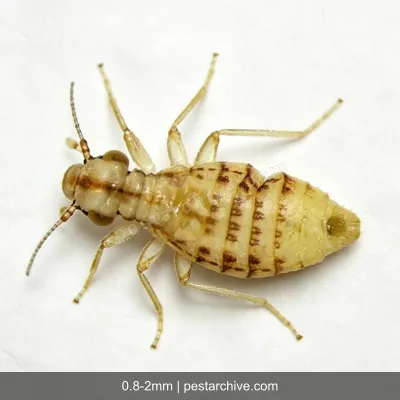
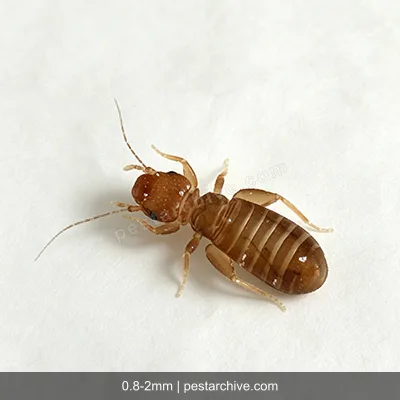
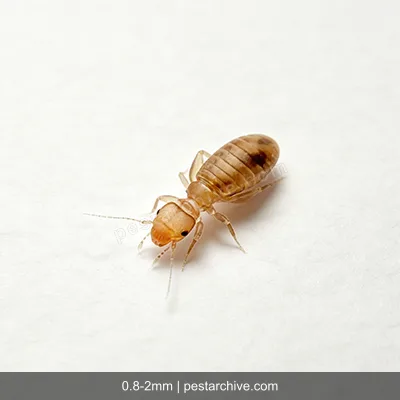
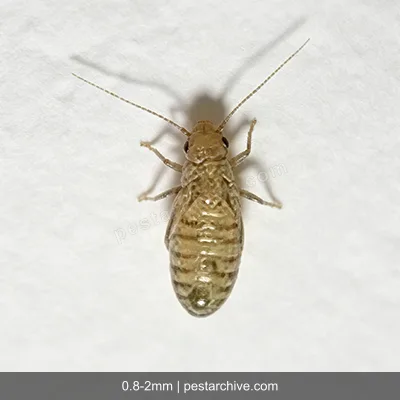
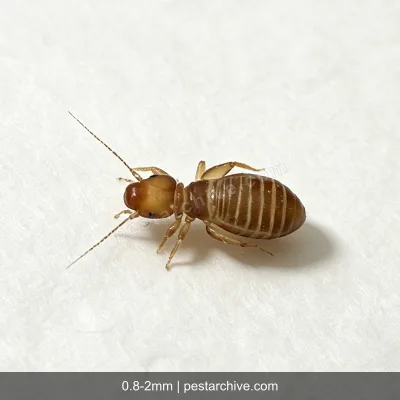
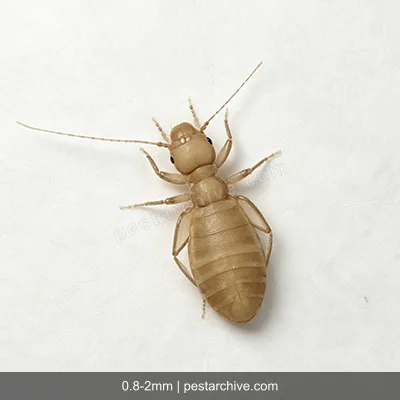
Finding booklice on the bed is uncomfortable, but relatively less concerning, because booklice cannot survive long-term on the bed (they lack their primary food source — mold). Here are the steps to resolve it:
Bedding treatment
- Remove all sheets, duvet covers, and pillowcases; wash in water above 60°C and tumble dry on high heat.
- Vacuum the mattress thoroughly, especially seams and edges.
- If there are signs of mold on the mattress, treat with a mold remover and dry thoroughly.
Source investigation
Booklice do not breed in mattresses; they crawl onto the bed from elsewhere. Check:
- Nightstands — are there damp books, cardboard boxes, or snacks in the drawers?
- Under the bed — are there cardboard boxes, old books, or other clutter? These are booklice hiding places.
- Bed against a wall — if against an exterior wall, check for moisture or mold.
- Bedroom humidity — if the whole room is humid, booklice may crawl onto the bed from all directions.
Environmental treatment
- Empty nightstands; discard damp items.
- Clear clutter from under the bed; remove cardboard boxes and books.
- Spray dinotefuran-containing household insecticide in bed frame crevices (avoid spraying bedding).
- Also spray around baseboards.
Long-term measures
The root cause of booklice on the bed is bedroom dampness. Recommendations:
- Use a dehumidifier to keep bedroom humidity below 50%.
- Do not store cardboard boxes, old newspapers, or other moisture-absorbing items in the bedroom.
- Change and wash bedding regularly; keep the bed clean and dry.