Booklice in New Homes: Why They Appear
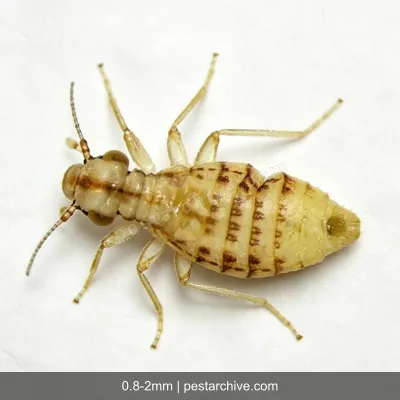
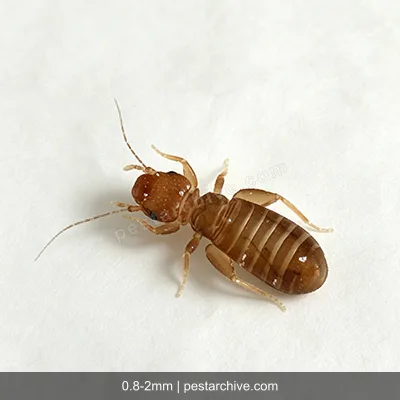
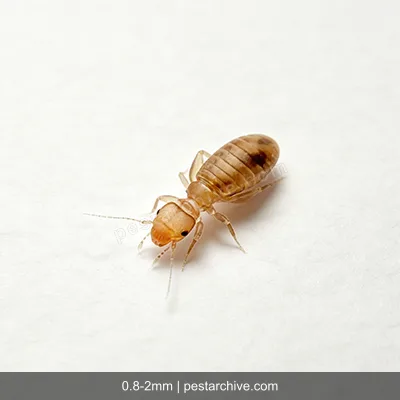
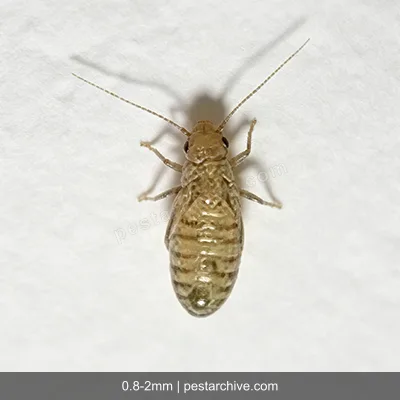
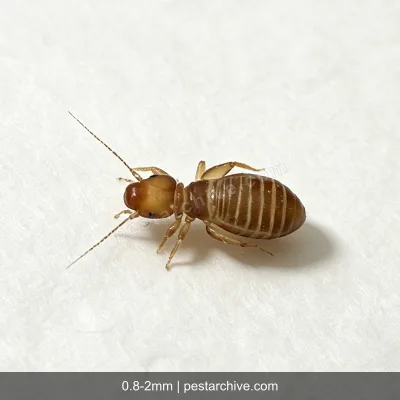
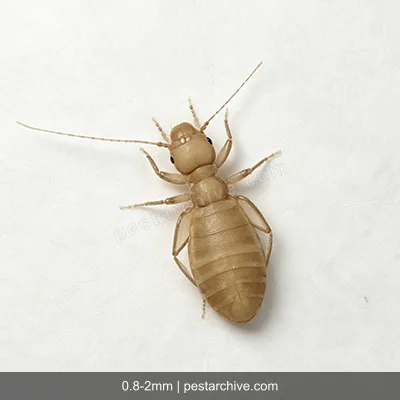
Booklice in the wardrobe indicate that humidity is too high inside or around the wardrobe. Follow these steps:
Step 1: Empty and inspect
- Remove all items from the wardrobe — clothes, bedding, cardboard boxes, books, etc.
- Check clothes for booklice or signs of mold; wash those affected in water above 60°C.
- Check cardboard boxes and books for moisture; discard severely damp items; sun-dry salvageable ones.
- Check the wardrobe back panel, bottom, and corners for mold, moisture, or peeling paint.
Step 2: Thorough cleaning
- Vacuum all corners, shelf joints, and hinge gaps inside the wardrobe.
- Wipe away mold dust with a dry cloth (do not use a damp cloth, which adds moisture).
- Leave wardrobe doors open to ventilate and allow the interior to dry completely.
Step 3: Fix the moisture source
- If the wardrobe is against an exterior wall, check for moisture penetration; waterproof if necessary.
- If the wardrobe is adjacent to a bathroom, check for leaks through the partition wall.
- Repair any leaks or moisture issues.
Step 4: Chemical control
After the wardrobe is completely dry (allow 2-3 days of ventilation):
- Spray dinotefuran-containing household insecticide on joints, shelf edges, and back panel gaps.
- Also spray the baseboard at the bottom of the wardrobe.
- Wait for the spray to dry completely (about 1-2 hours).
- Return clean clothes.
Step 5: Long-term prevention
- Place desiccant bags or moisture absorbers in the wardrobe.
- Store unworn clothes in sealed bags.
- Regularly check the wardrobe interior; keep it dry and ventilated.
- Do not place the wardrobe flush against the wall; leave a ventilation gap.