What Breeding Conditions Do Shore Flies Need?
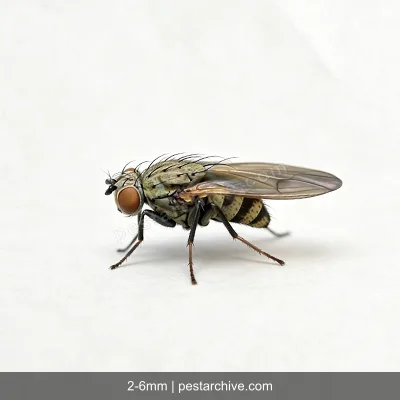
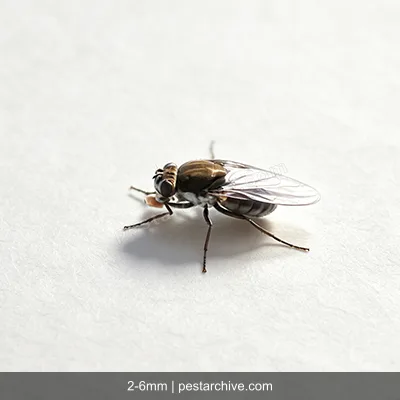
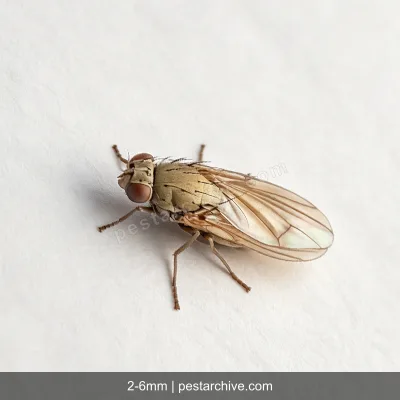
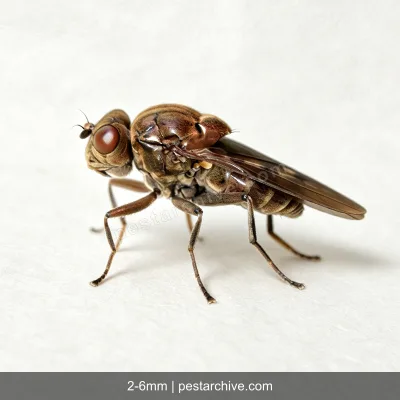
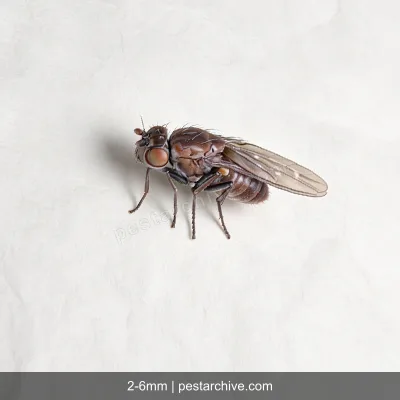
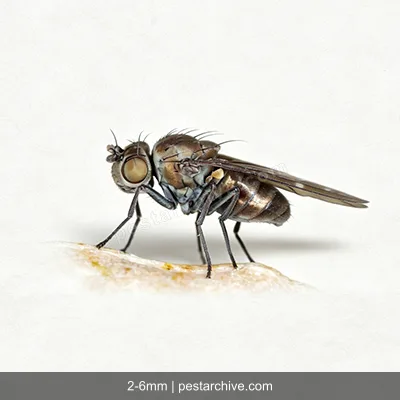
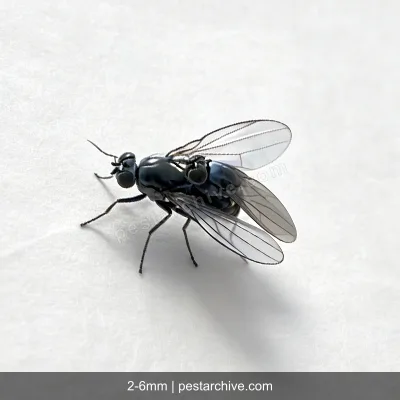
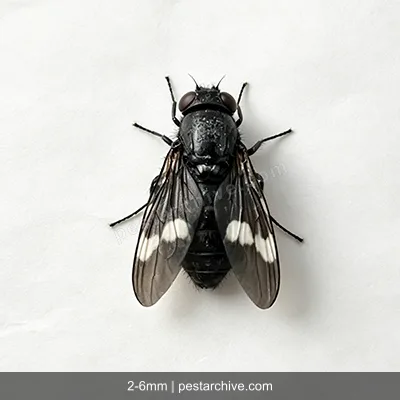
What Conditions Do Shore Flies Need to Breed?
Understanding shore fly breeding conditions lets you prevent them at the source. Shore fly reproduction requires three things at once: standing water, food, and suitable temperature. Take away any one of them and they can't complete their life cycle.
Core Condition: Standing Water (Essential)
Shore fly larvae live entirely in water. No standing water means no breeding:
- Shallow, still water sitting for a long time (just 5mm depth is enough for breeding)
- Plant saucer water — the most common source; forgotten after watering
- Water film on floor drain surfaces — thin standing water from slow drainage
- Mop-basin wastewater — mop not wrung out or basin bottom holding water long-term
- Damp floors that never dry — bathroom and kitchen floors persistently wet
- Washing machine drip-tray water — leaking drain hose causing puddles
- Condensate accumulation at the A/C drain pipe outlet
Supporting Condition: Food (Accelerates Breeding)
- Algae, microorganisms, or organic debris in the water — these are what shore fly larvae eat
- Standing water with a food source breeds far more shore flies
- That's why algae-covered saucers and greasy sink puddles attract more shore flies than clean water does
Temperature Condition (Affects Breeding Speed)
- Optimal range: 20-30 degrees C (68-86 degrees F) — breeding is rapid in warm seasons
- At around 25 degrees C (77 degrees F), egg to adult takes just 7-10 days
- Below 15 degrees C (59 degrees F), development slows; above 35 degrees C (95 degrees F), breeding is suppressed
- Homes with heating in winter can still experience year-round breeding
Breeding Assessment
A patch of standing water that lasts more than 2 weeks can support a full reproductive cycle. If you see adult shore flies in your home, at least one standing-water source has been present for 1-2 weeks or more. Find that source, remove it, and the shore flies will naturally disappear.