Why Do Shore Flies Appear in the House?
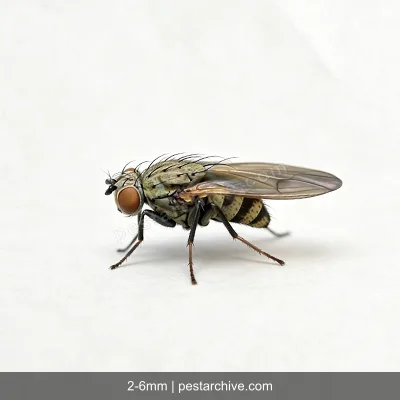
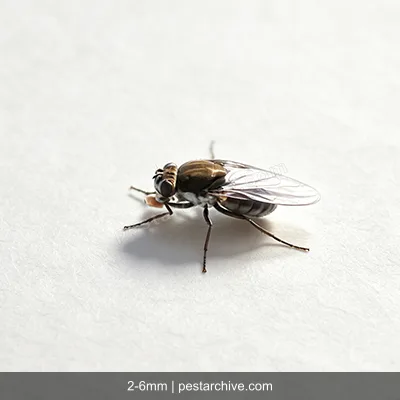
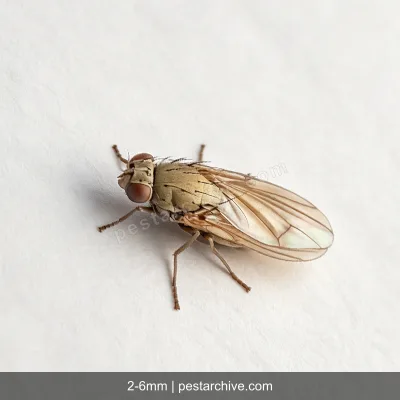
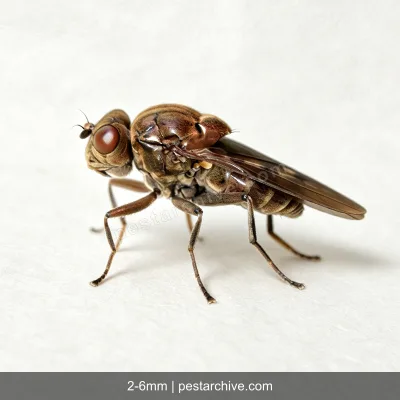
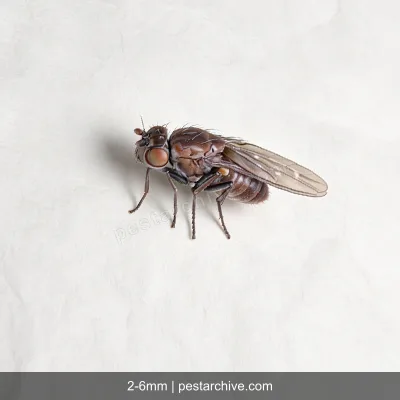
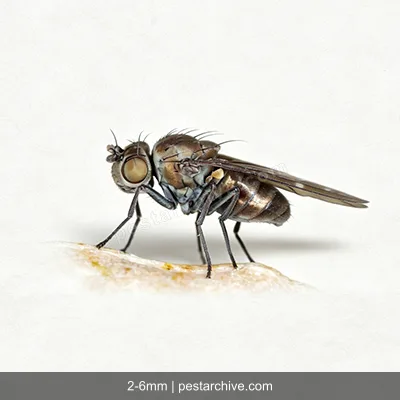
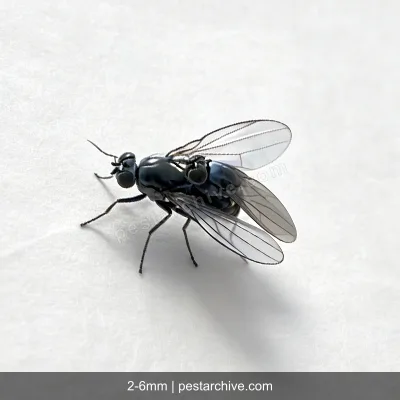
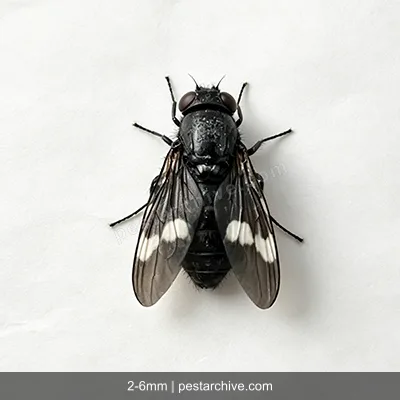
Why Are There Shore Flies in My House?
Shore flies in your home mean one thing — somewhere you have persistent standing water or humidity above 70% for more than 3 days. Their larvae live entirely in water, and even the adults stay only in damp environments.
Most Common Standing-Water Spots (Check Each One)
- Plant saucers — water sitting in the saucer for more than 2 days after watering
- Bathroom floor puddles — water not dried after showering, or a slow floor drain
- Mop basin standing water — mop not wrung out, hanging over the basin edge and dripping continuously
- Clogged balcony drain — rainwater or plant-watering runoff can't drain away
- Kitchen sink — dripping faucet or leaking drain pipe
- A/C drain pipe — condensate puddling at the outlet, not cleaned up promptly
Overlooked Damp Spots
- Poorly ventilated bathroom corners and dead space behind the toilet
- Pipe joint seepage inside the cabinet under the sink
- Persistent dampness around the washing machine drain hose
- Ground moisture wicking up in basements or semi-basements
- Water seepage where aging window caulk has failed
Breeding Conditions
Shore fly larvae feed on algae, microorganisms, and organic debris in the water. If standing water lasts more than 3-5 days and contains algae or grime, larvae can complete their full development from hatch to adult emergence. At 20-30 degrees C (68-86 degrees F), it takes only 7-10 days from egg to adult.
A Moisture Alarm
Seeing shore flies is like getting a moisture alarm for your home. The flies are harmless, but they're telling you: standing water leads to possible mold growth (which harms your respiratory system) and moisture-damaged belongings. We recommend doing a full-house standing-water inspection right away. Find the source and clean it up. Keep things dry, and shore flies will naturally disappear within 1-2 weeks.