How to prevent shore flies from breeding in pot trays?
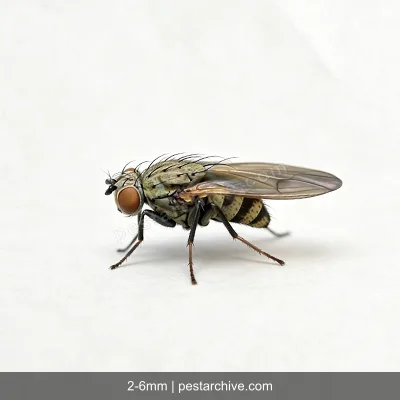
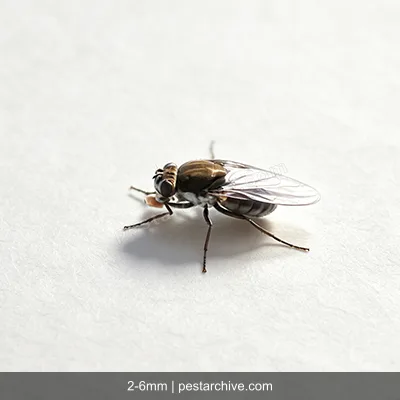
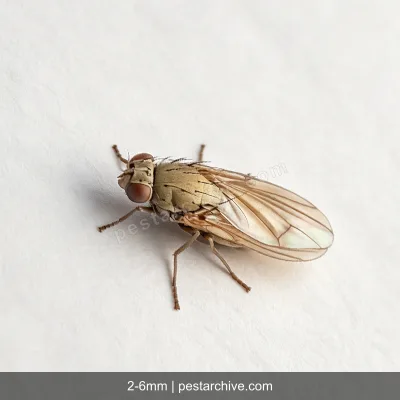
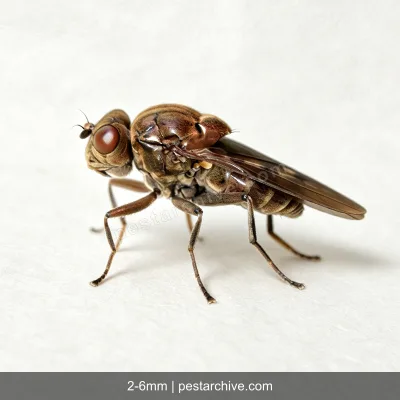
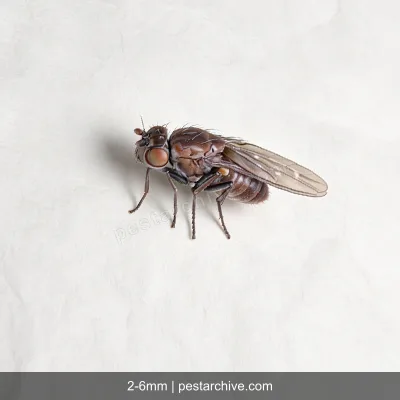
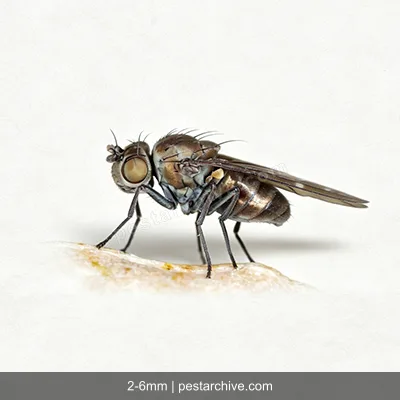
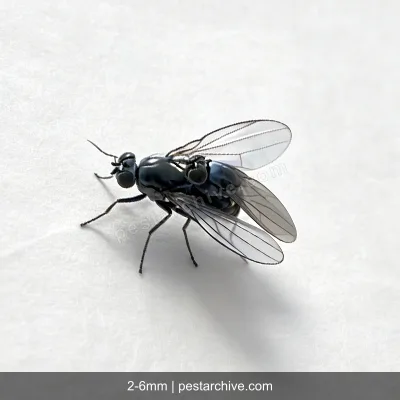
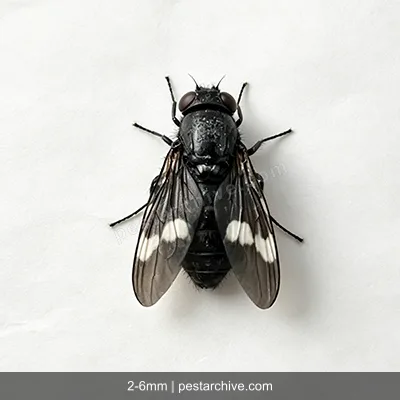
How to prevent shore flies from breeding in pot trays?
Standing water in pot trays is the most common breeding site for shore flies — larvae live in water. If water sits in trays for more than 3-5 days, larvae may develop.
Post-watering treatment
The key is "empty immediately after watering" — do not let water sit in trays:
- Empty pot trays immediately after watering; make it a habit.
- Or use absorbent pads/old towels to soak up tray water.
- Do not wait until the next watering — larvae may hatch within 3 days.
- Clean trays regularly; algae and scale indicate prolonged standing water.
Plant care habits
- Use pots with large drainage holes to reduce water accumulation at the bottom.
- Do not leave pot bottoms submerged in water; elevate pots with bricks or stands.
- Water moderately — stop when water just begins to drain from the bottom; do not over-water.
- Water succulents, cacti, and other drought-tolerant plants sparingly; trays rarely collect water.
Chemical protection
- After cleaning trays, spray dinotefuran-containing household insecticide around trays and on pot exteriors.
- Once dry, the film forms a colorless residue; adults that land to lay eggs die on contact.
- Residual effect lasts 2-4 weeks; one application lasts a long time.
- If there are pets (cats or dogs), wait for the spray to dry before allowing them near pots.
Effectiveness
By following these measures, shore flies will have no breeding conditions on potted plants. Larvae cannot survive without water, adults die on contact with the film, and shore flies will quickly disappear.