Shore Flies or Drain Flies? How to Tell the Difference
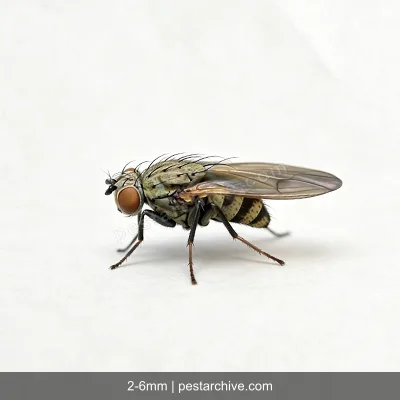
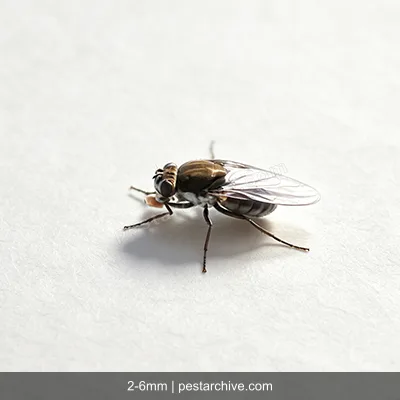
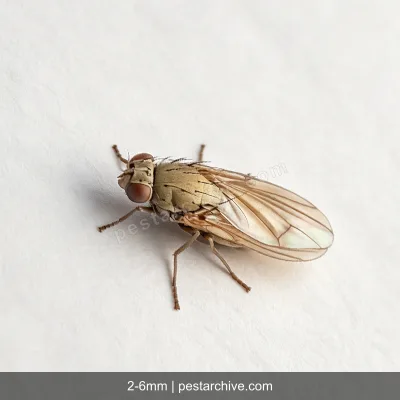
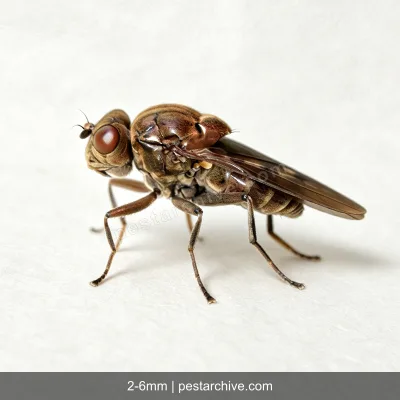
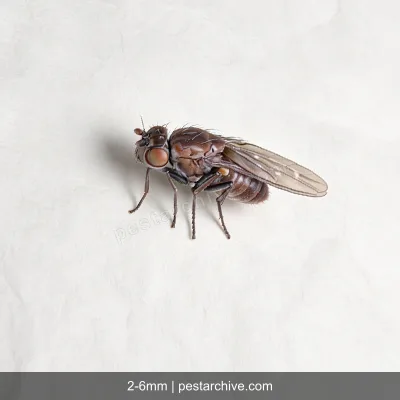
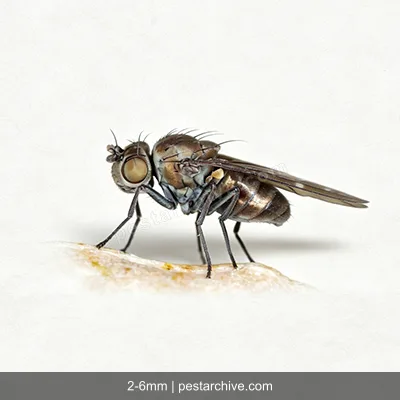
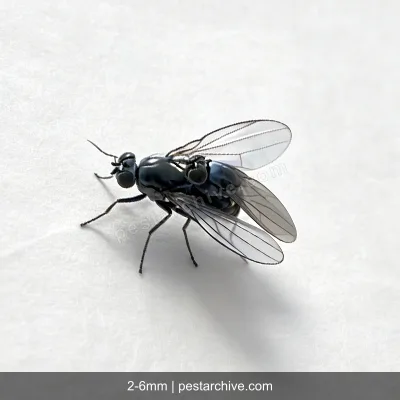
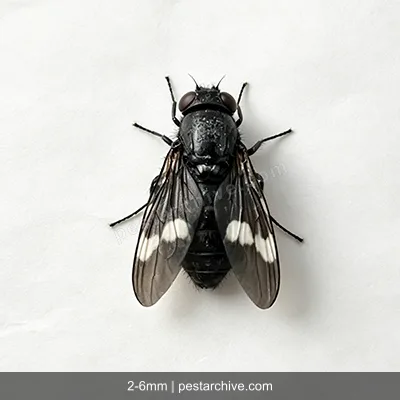
Shore Flies vs. Drain Flies — What's the Difference?
Both appear in damp environments, but they differ clearly in appearance, behavior, breeding sites, and control methods. Telling them apart means you can target the right solution.
Appearance
- Shore fly: 2-5mm long, slender, thread-like body, relatively long legs, grayish-black or dark brown. When skating on water, the movement looks very much like a tiny spider.
- Drain fly: 3-5mm long, short plump hairy body, wide oval wings. At rest, wings are held roof-like over the back.
Behavior
- Shore fly: Moves rapidly, skating on water surfaces or damp areas; agile and darts away when disturbed.
- Drain fly: Sits mostly motionless on walls or tiles; when it does move, it inches along awkwardly. Flight is clumsy and slow.
Larval Habitat
- Shore fly larvae: Live in still water or on wet algae. Prefer standing water with algae and microorganisms — found in plant saucers and sink-puddle areas.
- Drain fly larvae: Live mainly in the sludge and biofilm coating the inside of drain pipes. They need organic grime, not clean water.
Active Zones
- Shore fly: Plant saucers, floor puddles, damp tile countertops, next to sinks
- Drain fly: Bathroom walls, around floor drains, inside cabinets under sinks, behind toilets
Control Methods Differ
- Shore fly: Remove all visible standing water, keep floors dry, empty plant saucers — no standing water, no shore flies
- Drain fly: Clean the gunk off drainpipe walls, flush drains with boiling water (60 degrees C / 140 degrees F or hotter, once a week), use enzyme cleaners to break down the biofilm inside pipes
Quick Identification
If you see tiny insects skating fast on a water surface: shore flies. If you see fuzzy little flies sitting still on the wall: drain flies. The control approach for each is completely different — using the wrong one will get you poor results.