Found a Bug on You After a Hike? Tick Bite Check and Removal Guide
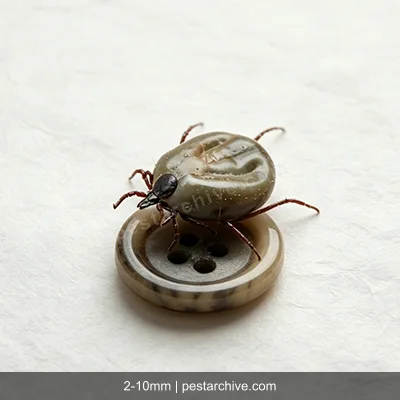
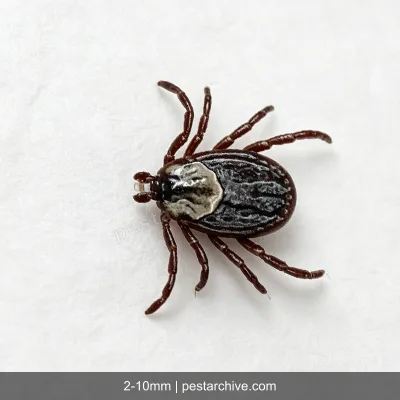
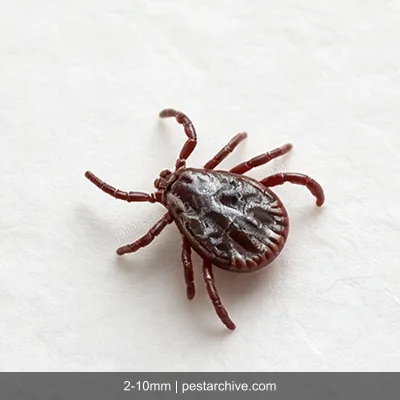
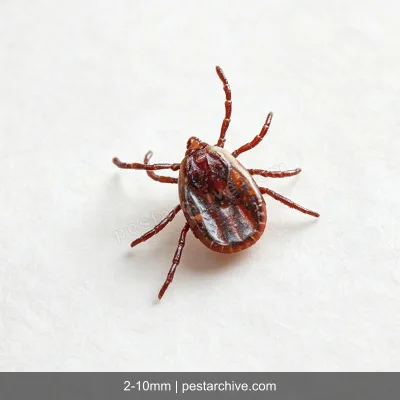
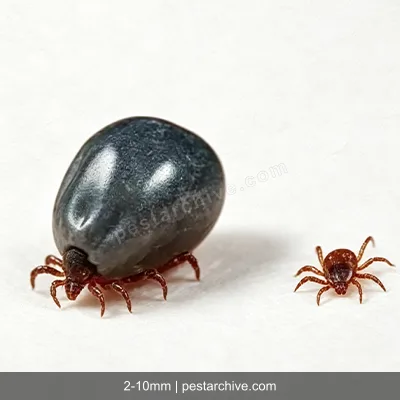
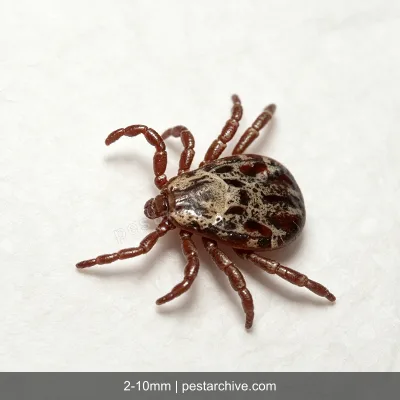
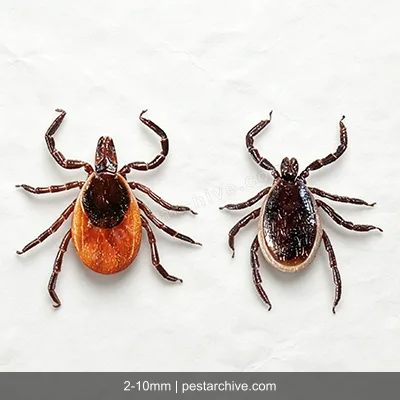
Just Got Back from Outdoors – How to Tell If That Bug Is a Tick?
Ticks aren't insects – they're arachnids (relatives of spiders and mites). Unfed, they're tiny: larvae about 0.5-1mm (pinhead), nymphs 1-2mm (sesame seed), adults 2-3mm. They swell to bean or even grape size when engorged. Colors range from reddish-brown to dark black.
Quick ID: If the bug is attached to your skin and won't let go, with its head buried and body outside, and has 8 legs (not 6 like insects) – that's a tick. If it's crawling on the surface or bites and flies away, it's not a tick.
Full-Body Tick Check After Outdoor Activities (do it right away)
Ticks inject anesthetic when they bite – you won't feel pain. Many people go days without noticing a tick. After being outdoors, do a full-body check within 2 hours:
Take off all outdoor clothes and stand in a well-lit spot (bathroom with a mirror is best). Start from the bottom and work up – check skin folds and hidden areas carefully:
- Feet and ankles: Ticks climb up from the ground – ankles are their first stop. Check between toes, tops of feet, inner and outer ankles
- Calves and back of thighs: Ticks like to climb upward – the back of legs is a main route. Use a mirror to check behind
- Waistline (belt area): Ticks get stopped by waistbands and often bite there
- Belly button: Warm, damp, and concave – ticks like it
- Armpits: Warm, damp, and hidden – one of the most common tick bite spots
- Under bra strap (for women): The strap edge stops ticks from climbing further
- Back and back of neck: Use a mirror or ask someone to help. Your own back is a tick's "safe zone"
- Behind ears and ear folds: Thin skin and hidden – ticks often choose this spot
- Scalp and hair: Slowly run your fingertips over your scalp, feeling for tiny bumps. Pay special attention to the hairline at the back of the head and behind the ears
Remember: If you see anything sesame-seed sized or a tiny black dot attached to your skin, don't scratch it off with your fingers. First confirm if it's a tick (look for legs) – if yes, remove it using the method below.
How to Properly Remove an Attached Tick
If you find a tick with its head buried in your skin feeding:
- Prepare fine-point tweezers: No round-tipped tweezers, no fingers, no nail clippers. Must be fine-point tweezers
- Grasp the tick's head: Get the tweezer tips as close to the skin surface as possible, gripping the tick's head or mouthparts – not its body
- Pull straight up slowly: Use steady, even pressure, pulling upward (90° angle to the skin). Don't twist, yank, or crush
- Check if fully removed: Place the tick on white paper and use a magnifying glass or phone macro lens. Make sure the head and mouthparts are intact (you should see tiny legs and head structure). If the mouthparts break off in the skin, try to remove them with the tweezer tip; if not, your body will expel them – the key is to disinfect the bite site
- Disinfect: Clean the bite area thoroughly with alcohol or iodine
- Save the tick: Place it in a sealed vial or bag, label with the date and location of outdoor activity. Watch for 30 days – if symptoms develop, bring the tick to your doctor
What to Do with Outdoor Clothes?
Don't toss outdoor clothes on the bed, sofa, or laundry hamper – ticks may still be on them. Correct handling:
- Put outdoor clothes directly into the dryer on high heat for 30+ minutes (dry heat kills ticks more reliably than washing)
- Wash normally after drying
- For shoes that can't go in the dryer, leave them in direct sunlight outdoors for a full day
30-Day Watch – What Symptoms to Look For
These tick-borne disease symptoms can appear days to weeks after a bite. Any of these should send you to a doctor – and tell them about the tick bite:
- A bullseye rash (expanding red ring) at the bite site – classic Lyme sign
- Fever, chills, headache, muscle aches
- Joint swelling and pain (especially knees)
- Facial muscle weakness (one-sided or both sides)
- Fatigue, low energy, loss of appetite
What to Wear and How to Protect Yourself on Future Outings
- Long sleeves and pants: Tuck pant legs into socks, shirt into waistband – no open routes for ticks to reach skin
- Light-colored clothing: Ticks are easier to spot on light fabric
- Stay in the middle of trails: Ticks wait in grass and brush along the edges – the center of trails is disturbed more, with fewer ticks
- Change and dry clothes immediately when you get home: Make it a habit – first thing after outdoor activities is clothes straight into the dryer
- If your pet came along, check them too: Pets are a tick's free ride – a quick run through the grass can bring back a dozen ticks