How to Safely Get Rid of a Tick?
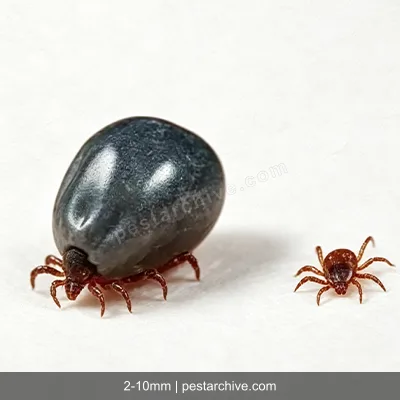
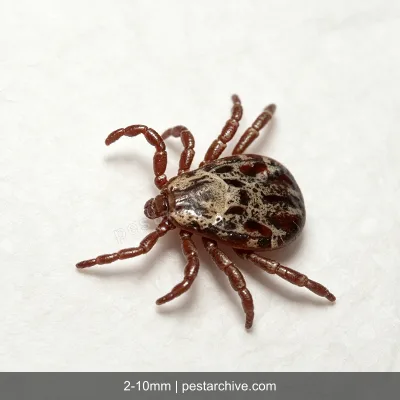
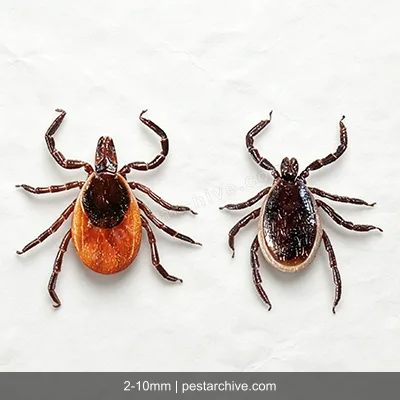
The short answer: If you find a tick attached to your skin, remove it immediately with fine-tipped tweezers, grasp as close to the skin as possible and pull straight up with steady, even pressure. Do not twist or jerk. After removal, clean the area and watch for symptoms (fever, rash) over the next 30 days. Ticks can transmit Lyme disease and other illnesses, so prompt removal (within 24–48 hours) dramatically reduces infection risk.
- Confirm it’s a tick
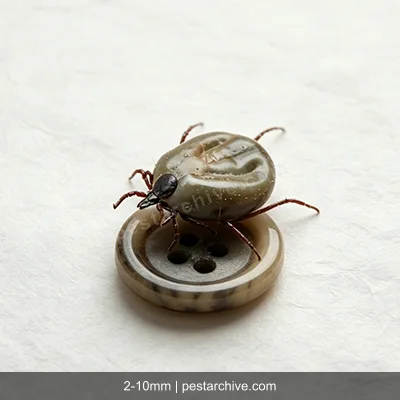
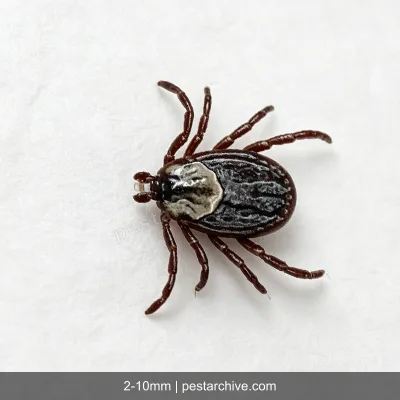
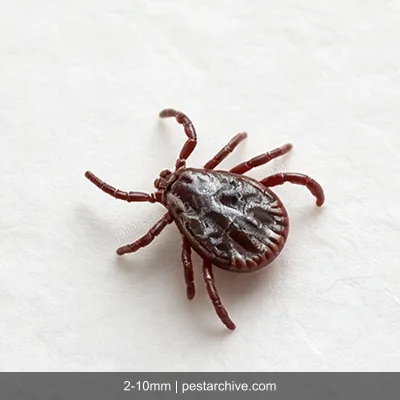
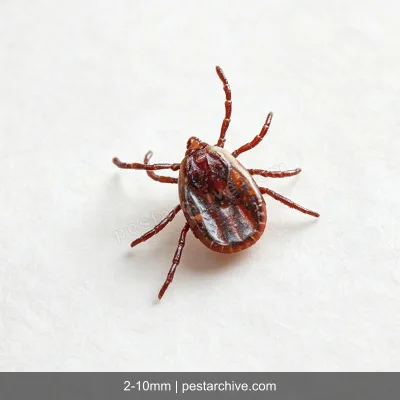
- Ticks are small arachnids, adults are 3–5 mm unfed, but can swell to 10 mm after feeding.
- They have 8 legs (nymphs have 6), a flattened oval body, and no wings.
- They are often found on skin, especially in hairline, armpits, groin, and behind knees.
- They attach firmly, they don’t jump or fly; they crawl onto hosts from grass or bushes.
- Where do ticks come from?
- They live in wooded, grassy, or brushy areas, they climb onto tall grass and wait for a host to brush past.
- They are most active in spring and summer.
- Pets can bring them indoors, they can then bite humans.
- Step 1: correct removal
- Use fine-tipped tweezers, never use your fingers, a match, or petroleum jelly.
- Grasp the tick as close to the skin’s surface as possible.
- Pull upward with steady, even pressure, don’t twist or jerk (this can break off the mouthparts).
- If the mouthparts break off, remove them with tweezers or leave them, they will usually work out over time.
- Clean the bite area with rubbing alcohol or soap and water.
- Step 2: after removal
- Place the tick in a sealed bag or vial, you may need it for identification if symptoms develop.
- Wash your hands and the tweezers with disinfectant.
- Monitor the bite site for 30 days, look for a red, expanding rash (bull’s-eye pattern is classic for Lyme) or any flu-like symptoms.
- Step 3: when to see a doctor
- If you develop fever, chills, muscle aches, headache, or a rash (especially the bull’s-eye), see a doctor promptly, tell them about the tick bite.
- Early antibiotic treatment (within 3–4 days) is very effective for Lyme disease.
- If you have trouble breathing or severe swelling, it’s an emergency, go to ER.
- Step 4: treating your yard
- Keep grass mowed short (≤5 cm) and remove leaf litter.
- Create a barrier of wood chips or gravel between lawns and wooded areas, ticks avoid dry, sunny areas.
- Consider tick-controlling pesticides for the yard (follow label carefully) or natural predator attractants (e.g., birds that eat ticks).
- Treat pets with vet-recommended tick prevention products.
- Disease risks: be aware
- Lyme disease, caused by *Borrelia burgdorferi*; bull’s-eye rash and flu-like symptoms.
- Tick-borne encephalitis, viral, more common in forested regions; vaccination available.
- SFTS (severe fever with thrombocytopenia syndrome), a viral infection with high fever and low platelets.
- Not every tick carries pathogens, but the risk is real, don’t ignore symptoms.
Common mistakes
- ❌ Squeezing or crushing the tick, it can inject more saliva and pathogens.
- ❌ Using heat (a match) or chemicals, it can cause the tick to regurgitate, increasing infection risk.
- ❌ Ignoring symptoms because you removed the tick, symptoms can appear weeks later.
Mini FAQ
Q: Can I get Lyme disease if I remove the tick quickly?
A: Risk is very low if removed within 24 hours, but still monitor for symptoms.
Q: What about ticks on pets?
A: Use tick combs and consult your vet for spot-on treatments. Wash pet bedding regularly.
Q: Are all ticks dangerous?
A: No, only some species carry pathogens. But treat every tick with caution.
Your tick safety checklist
- Use fine tweezers, pull straight up.
- Clean bite with alcohol.
- Save the tick in a bag.
- Monitor for 30 days.
- See a doctor if rash or fever appears.
- Treat yard and pets to prevent future bites.