How to Keep Ticks Off Your Pets?
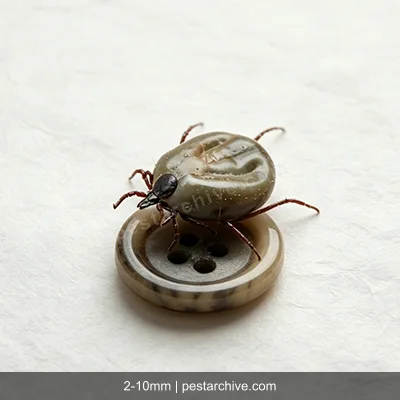
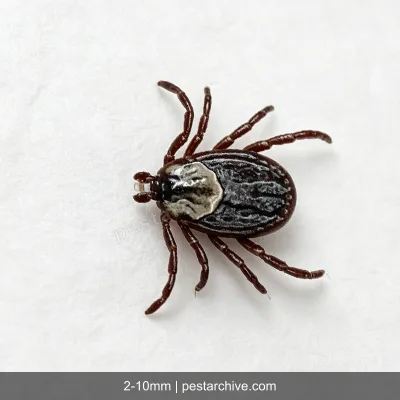
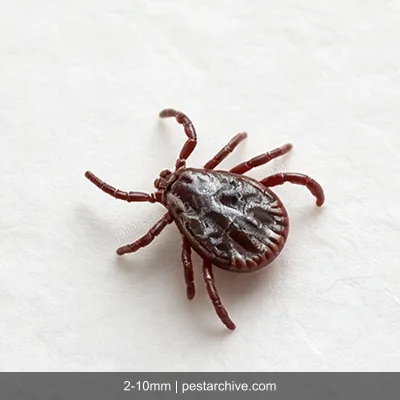
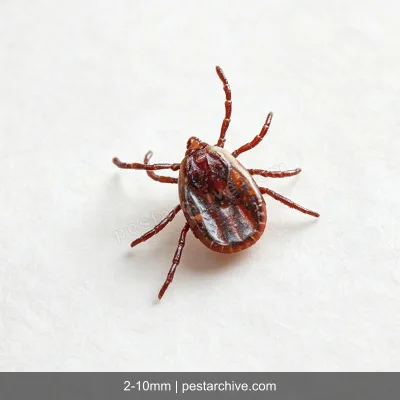
Where Do Ticks Live?
Tick habitats fall into two categories, outdoor natural environments and indoor spaces. Understanding their activity patterns helps you protect yourself:
Outdoor habitats
Ticks cannot fly or jump. They use an "ambush" strategy, they climb to the tip of a grass blade or shrub leaf, extend their front legs, and wait for a host to pass by. Common habitats include:
- Grass and shrubs, Park lawns, roadside weeds, and grass along both sides of mountain trails are the most common tick habitats.
- Forest edges, Leaf litter in forest clearings and along woodland edges has high tick densities.
- Field margins and vacant lots, Especially field edges near woodlands and water sources.
- Urban landscaping, Lawns and shrubs in city parks, riverside paths, and residential greenbelts.
Indoor habitats
Once inside, ticks typically hide in the following places:
- Pet beds and pet resting areas, After dropping off pets, ticks hide in pet bedding.
- Floor cracks and baseboards, Ticks like to hide in narrow gaps while waiting for a host to pass.
- Wall corners, behind doors, under curtains, Undisturbed corners.
- Carpet and sofa crevices, Tick eggs may also be laid in the fibers of these areas.
Activity characteristics
- Ticks are most active in spring and summer (April-October). They are largely inactive in winter.
- They prefer warm, humid environments. During hot, dry spells, ticks move deeper into the soil.
- They sense carbon dioxide and vibration, which alerts them to an approaching host.
- Indoors, ticks can survive for months without a host (survival time varies by species).