Ticks in Your House? How to Remove Them Safely – A Guide for Pet Owners
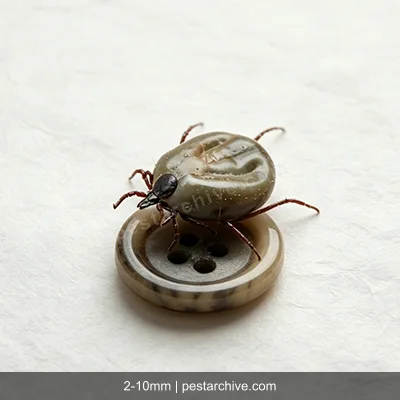
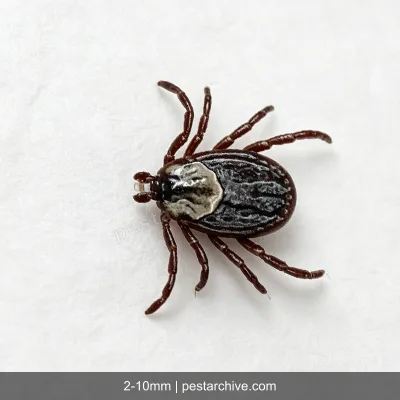
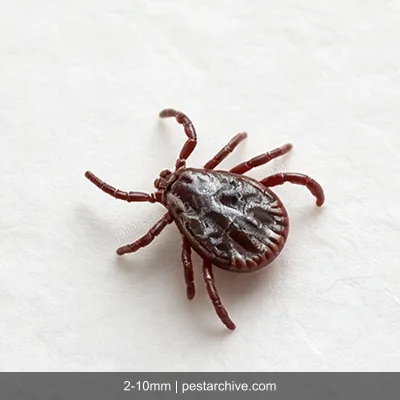
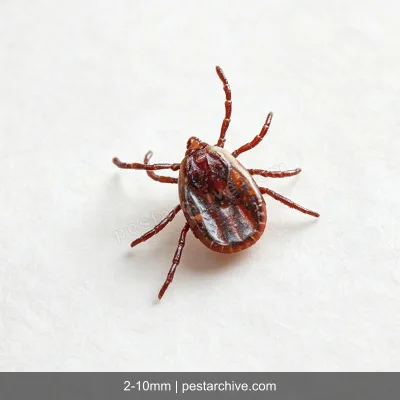
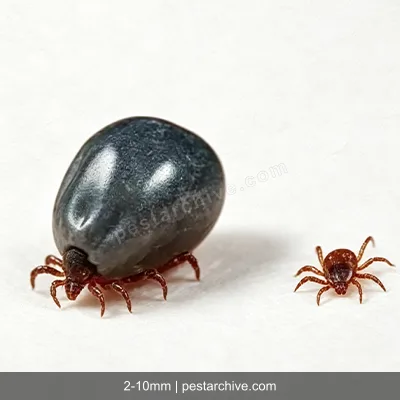
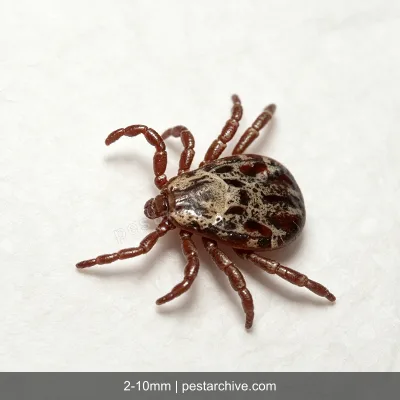
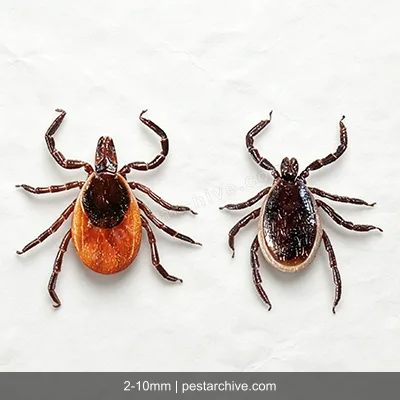
How to Tell If Ticks Got into Your House? 2 Scenarios
Scenario 1: Your pet came back from the yard or bushes, and you found ticks on the floor, pet bed, or sofa. Pets are the main way ticks get indoors. After feeding on the pet, ticks drop off onto floors or pet lounging spots, then look for their next host (which could be you).
Scenario 2: You live on a lower floor or have a yard, and ticks attached to pant legs or shoes during outdoor activity. Ticks wait in grass and brush for hosts to pass by (a behavior called "questing"), then grab onto hair or clothing with their front legs.
Where ticks hide indoors: After dropping off or crawling in, ticks look for dark, sheltered spots. Check: baseboard gaps, carpet edges, sofa cushion crevices, pet bedding, curtain hems, under beds, and headboard gaps.
What Tools Do You Need for Safe Tick Removal?
- Fine-point tweezers (pointed, not round-tipped) – the most important tool
- Rubbing alcohol (70%) or iodine – to disinfect the bite site and tweezers
- Sealable vial or plastic bag – to store the removed tick
- Rubber or disposable gloves – for protection
- Magnifying glass or phone macro lens – to check if the tick was fully removed
- Vacuum cleaner – to remove loose ticks from the environment
- Wide clear tape – to pick up tiny ticks from hard surfaces
- Fine-tooth flea/tick comb – for checking pets
Safe Tick Removal Steps After Finding Ticks Indoors
Step 1: Remove an Attached Tick Correctly with Tweezers (if it's on a person)
If you or a family member has a tick attached, proper removal is critical. Wrong methods increase infection risk:
- Wear gloves. Grasp the tick's head or mouthparts with fine-point tweezers – get as close to the skin surface as possible. Don't squeeze the tick's body (you'll inject its fluids back into your blood, raising disease risk)
- Pull straight upward with steady, even pressure. Don't twist, yank, or crush the tick's body
- After removal, disinfect the bite area with alcohol or iodine
- Place the tick in a sealable vial or bag. Label it with the removal date. If you later develop fever, rash, or other symptoms, bring the tick to your doctor – it helps with diagnosis
NEVER do this: Don't smear the tick with petroleum jelly (it suffocates the tick and causes it to regurgitate stomach contents into the wound). Don't use a lighter or match (you might burn yourself, plus heat triggers regurgitation). Don't pinch or crush the tick with your fingers (tick fluids may carry pathogens).
Step 2: Thoroughly Check and Physically Remove Loose Ticks from the Environment (about 30 minutes)
Vacuum every spot ticks could hide: baseboards, floor cracks, carpet edges, sofa crevices and under cushions, pet bedding areas, and curtain hems. Immediately seal and discard the vacuum bag in the outdoor trash.
For hard surfaces (floors and tile), after vacuuming, use wide tape along baseboards – tape picks up tiny ticks (unfed ticks are sesame-seed sized) that are easy to miss.
Bedding: Remove all sheets, duvet covers, pillowcases – wash in 140°F+ (60°C+) water and dry on high heat (ticks can't survive high, dry heat). For items that can't be hot-washed, use a steam cleaner or garment steamer on surfaces and seams.
Step 3: Check and Treat All Pets (about 15 minutes per pet)
Use your hands to feel all over your pet's skin (not just the fur surface). Check these spots especially: inside and behind the ears, under the neck, armpits, belly and inner thighs, between toes, and at the base of the tail. Ticks are 1-3mm (sesame seed) unfed, and can swell to 1cm (small bean) when engorged.
If you find ticks on your pet: use the same tweezers method as above. After removal, apply iodine to the bite site. Save the tick in a sealed bag with the date.
Ask your vet whether your pet should be tested for tick-borne diseases (in some areas, ticks carry Lyme disease, babesiosis, etc.). Use vet-recommended tick prevention products for your pets regularly.
Step 4: Stop Ticks from Coming Back Indoors (outdoor barriers)
If ticks are coming from your own yard:
- Mow grass short (under 2 inches) – ticks avoid short, dry grass
- Clear leaf piles, brush piles, and rock piles – these are shelter for ticks and their wildlife hosts (mice, squirrels)
- Lay a 24-inch (60cm) barrier of wood chips or gravel between lawn and shrubbery – ticks don't like crossing dry, open areas
- If deer, stray cats, or other wildlife frequent your yard, consider wildlife fencing around the house
Pet management: After walks or outdoor time, quickly run a flea/tick comb through your pet's coat to check for new ticks. Use vet-recommended tick prevention before going out.
Personal protection: After being in grass or brush areas, roll up pant legs and check ankles and calves (ticks crawl up from the ground). Don't toss outdoor clothes on the bed.
What to Watch for After a Tick Bite
Monitor for these symptoms for 30 days after the bite (tick-borne disease incubation is days to weeks):
- An expanding red rash at the bite site that looks like a bullseye (classic Lyme sign)
- Fever, chills, headache, muscle aches, joint pain
- Fatigue, feeling unwell
If any of these appear, see a doctor immediately and tell them you had a tick bite (bring the saved tick if you have it). Early antibiotics are very effective for most tick-borne diseases – the longer you wait, the more complicated treatment becomes.
What NOT to Do When Dealing with Ticks
- Don't pinch or crush ticks with your fingers: Tiny cuts on your fingers could let tick fluids enter your bloodstream – direct pathogen exposure
- Don't use lighters, cigarettes, nail polish, petroleum jelly, etc., on attached ticks: These folk remedies stress the tick and cause it to regurgitate into the wound – greatly increasing infection risk
- Don't use human insect repellents on pets: DEET and other human products can be harmful to cats and dogs
- Don't ignore even one tick: A single tick can carry multiple pathogens. Always save it and watch for symptoms after a bite
Safe Tick Removal Checklist
- Did you use fine-point tweezers to grasp the tick's head (not body)?
- Did you save the removed tick in a sealed bag with the date?
- Did you vacuum baseboards, floor cracks, carpet edges, and sofa gaps?
- Did you wash bedding in 140°F+ water and dry on high heat?
- Did you check every pet's entire skin surface by hand?
- Did you also save ticks found on pets with the date?
- Did you mow the yard and lay barrier material?
- Are you combing pets daily and using vet-recommended prevention?
- Are you monitoring for symptoms for 30 days after the bite – and will you see a doctor for any concerning signs?