Why Does Store-Bought Rice Have Bugs?

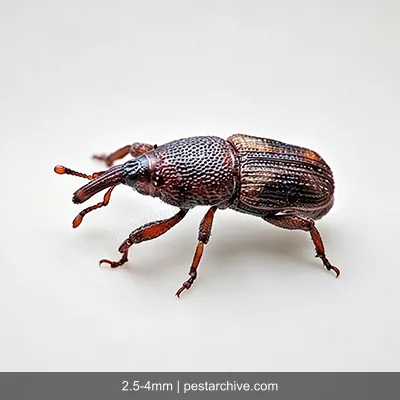
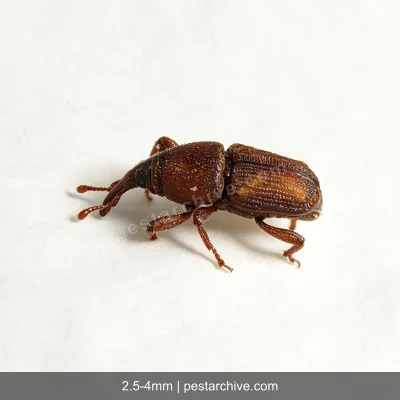
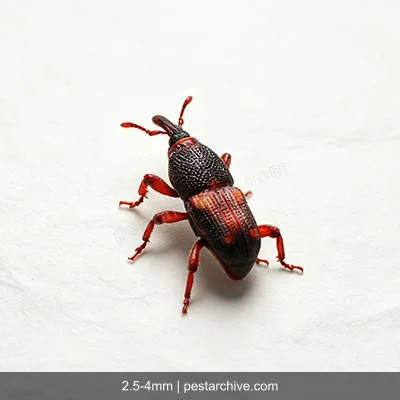
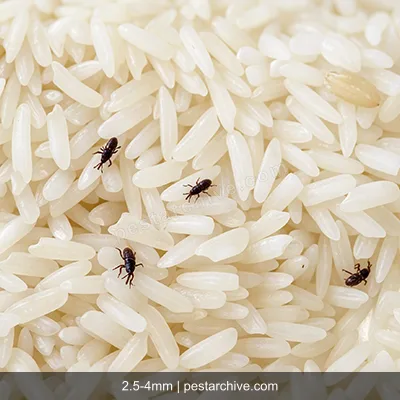
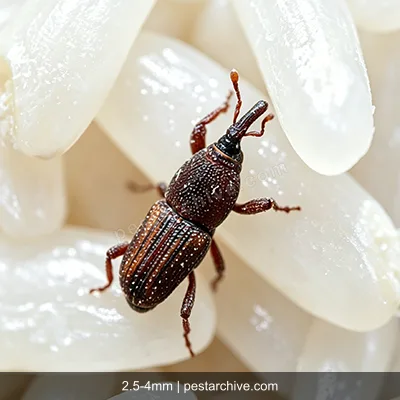
Why Does Rice From the Supermarket Have Weevils?
If the rice you bought at the supermarket has weevils, it's not the supermarket's fault — rice weevil eggs were already laid on the grains during processing and storage.
Reason 1: Eggs Are Already in the Rice
During rice processing, weevils may lay eggs on the grains. The eggs are microscopic and either sit on the grain surface or are inserted into the grain. They're impossible to spot with the naked eye. Supermarket warehouses often maintain temperature and humidity levels that are suitable for weevil development. The longer the rice sits, the higher the egg hatch rate.
Reason 2: Cross-Contamination in Bulk Bins
Supermarket bulk rice bins get refilled repeatedly. The bottom of the bin may accumulate old grain fragments and eggs. When customers scoop rice, they may carry eggs home along with the new rice.
Reason 3: Contamination During Packaging
- Rice processing facility storage silos may harbor weevils.
- Packaging bags may be reused or stored improperly.
- High temperatures during transport can accelerate egg development.
Why Does Rice Bought in Winter Also Have Weevils?
Because supermarket warehouses and shipping trucks are typically heated or insulated, maintaining temperatures suitable for egg development. Eggs don't need high heat to hatch — development proceeds slowly at just 18 degrees C (64 degrees F) and above. So finding weevils in winter-purchased rice is not unusual.
How to Avoid It?
- Buy branded, vacuum-sealed rice — lower risk than bulk rice.
- Check the production date — the fresher, the better.
- When you bring rice home, portion it and freeze for 48 hours before storage.
- Don't buy too much at once. Buy more when you run out.
- Choose smaller packages when possible — enough for 1-2 weeks.
A Reality Check
Nearly all rice carries some number of weevil eggs. You just don't see the bugs because the conditions for hatching weren't met during storage.