Flying Ants vs. Termites: How to Tell
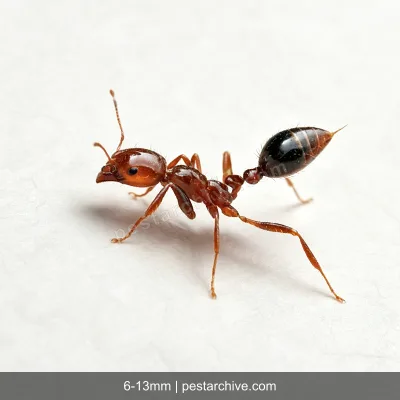
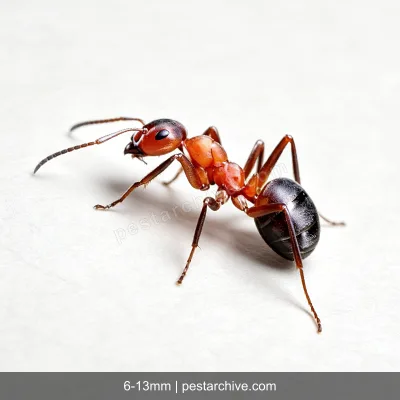
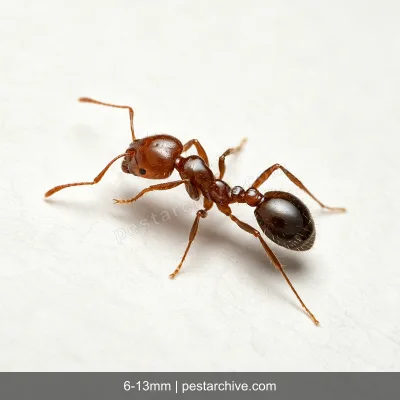
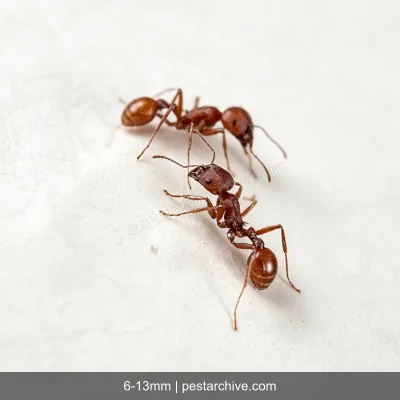
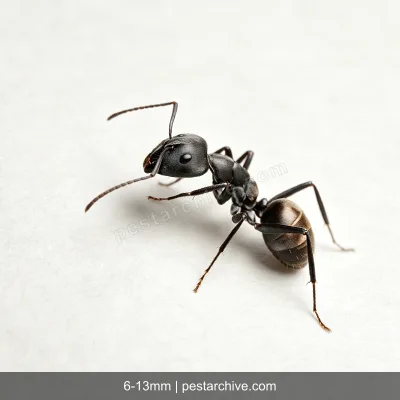
Every spring and summer, winged insects swarm around windows, porches, and light fixtures — and homeowners panic. "Are these termites destroying my house?" The distinction matters enormously: flying ants are a nuisance; termites are a structural emergency that can cost tens of thousands in damage.
### The Four Key Differences
- Waist shape (the fastest check):
- Flying ants: Narrow "pinched" waist between the thorax and abdomen — the middle section is clearly constricted.
- Termites: Broad, straight body with no visible waist — thorax and abdomen blend seamlessly.
- Wing length:
- Flying ants: Front wings significantly longer than hind wings; wings folded close to the body when resting.
- Termites: Front and hind wings equal in length; wings extend well beyond the body and lie flat when resting.
- Antennae:
- Flying ants: Elbowed (bent) antennae with a distinct angle — like an elbow bend.
- Termites: Straight, beaded antennae — no bend, appearing as a straight line of small segments.
- Color:
- Flying ants: Variable — black, brown, or reddish depending on species. Body segments clearly different colors.
- Termites: Uniform dark brown or black; body appears monochrome.
### Quick Visual Test
Catch one insect (do not handle termites bare-handed if you suspect them). Examine under magnification:
- Does it have a pinched waist? → Ant
- Are the wings equal length? → Termite
- Are the antennae straight? → Termite
If you answer yes to 2 and 3, you likely have termites — contact a professional immediately.
### Why the Distinction Matters
Flying ants are reproductive ants (alates) leaving the colony to mate and start new colonies. They swarm for a few hours, shed their wings, and most die. They do not eat wood and are a nuisance, not a structural threat. Common species: carpenter ants, pavement ants, odorous house ants.
Termites are wood-eating insects that can silently destroy structural lumber, floor joists, and framing for years before discovery. A termite swarm near your home means there is an active termite colony within 50 meters — and it may already be inside your walls.
### What to Do If You Identify Flying Ants
- Vacuum up the swarmers — they will die naturally within hours.
- Seal any cracks near windows where they entered.
- Monitor for ant trails in the coming days — the parent colony may be nearby.
- If carpenter ants (large, black/red ants), inspect for moisture-damaged wood where they might be nesting.
### What to Do If You Identify Termites
- Do NOT disturb them. Do not spray, vacuum, or scrape them — this causes the colony to scatter and makes professional treatment harder.
- Contact a licensed termite professional immediately. They will:
- Inspect for active termite galleries and damage.
- Install termite bait stations (Sentricon, Advance) or apply liquid soil treatments (fipronil, imidacloprid) around the foundation.
- Provide a warranty and annual monitoring plan.
- Do NOT attempt DIY termite treatment. Over-the-counter termite sprays are ineffective for colony elimination and may worsen the problem by causing colony fragmentation.
### Prevention
Ants: Seal food, remove moisture, caulk entry points. Standard ant control suffices.
Termites: Maintain a 6-inch clearance between soil and wood surfaces; eliminate wood-to-ground contact; divert water away from the foundation; store firewood away from walls; schedule annual professional termite inspections.