Carpenter Ants or Termites? How to Tell Them Apart
Are Ants Poisonous?
The vast majority of common household ants are not poisonous and won't cause real harm to people. But some ant species do carry venom or acidic secretions that can cause skin reactions.
Toxicity of Common Household Ants
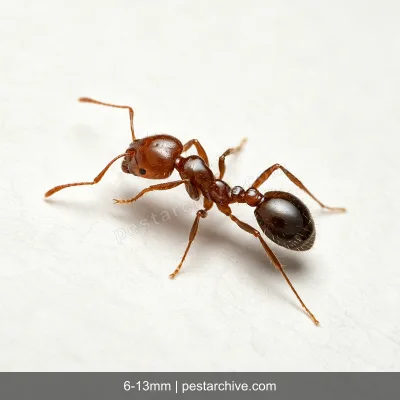
- Pharaoh ants (little yellow ants) — The most common indoor ant, nearly non-toxic. They don't bite and don't secrete harmful substances. Their only issue is stealing food and spreading germs by crawling everywhere
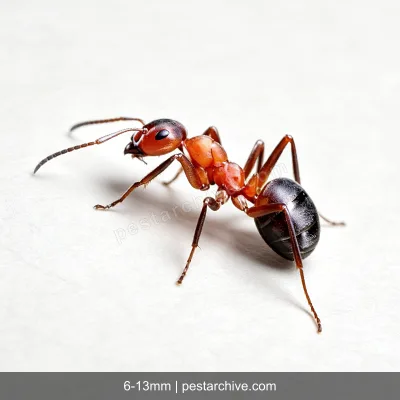
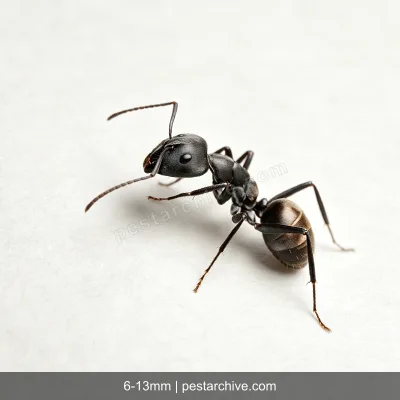
- Black ants (carpenter ants / Camponotus) — Larger size; may bite when alarmed, but the venom is extremely weak — only a mild sting that fades within hours
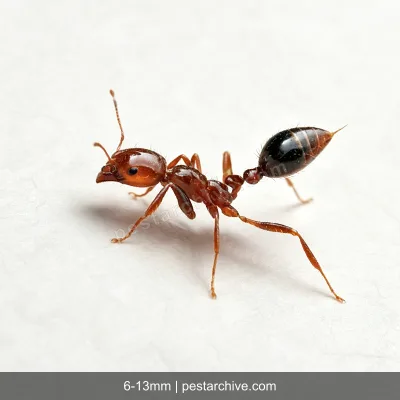
- Red imported fire ants — These are genuinely venomous, but they're mainly active outdoors (lawns, farmland) and rarely appear indoors. A sting causes a burning sensation and produces a white pustule
How Ants Defend Themselves
- Most ants (pharaoh ants, carpenter ants) defend themselves by biting, but their mandibles are too small to break human skin
- Some ants spray formic acid, which has an irritating smell but is harmless to skin
- Fire ants inject venom through a stinger at the tip of the abdomen — these are the ones to truly watch out for
What to Do If Bitten by an Ant?
- Wash with soapy water — that's usually enough
- If swelling is noticeable, apply an ice pack
- Apply calamine lotion for itching
- For fire ant stings with extensive swelling or allergic reaction, seek medical help
The Bottom Line
Ants crawling around your kitchen looking for food are essentially non-toxic — there's nothing to fear. But if you encounter red or aggressive ants outdoors, keep your distance.