How to Get Rid of Pharaoh Ants (The Tiny Ones)
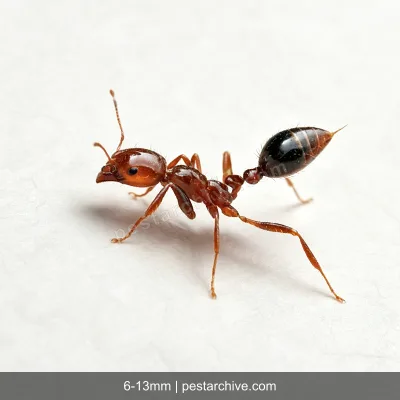
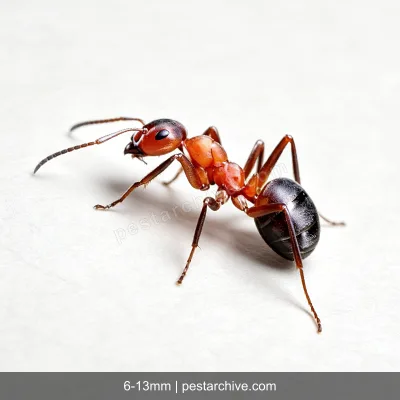
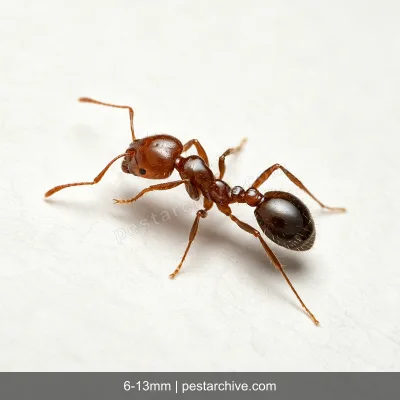
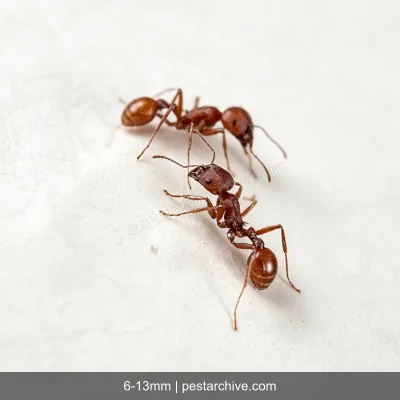
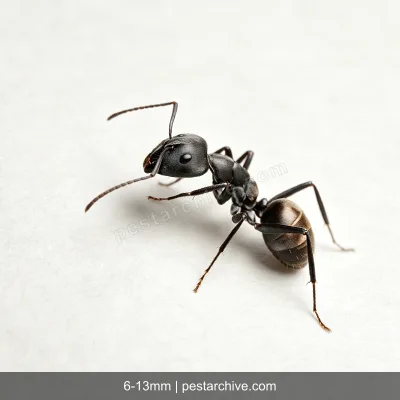
Pharaoh Ants (*Monomorium pharaonis*) are the tiny, pale-yellow ants (1.5–2 mm) that appear in kitchens, bathrooms, hospitals, and apartment buildings worldwide. They are the most difficult ant species to eliminate from structures because of one critical behavior: budding.
When disturbed by insecticide spray, Pharaoh Ant colonies fragment into 2–8 sub-colonies, each with its own queen, that scatter throughout the building. A spray treatment that kills 90% of the workers actually *increases* the number of colonies and makes the infestation worse. This is why Pharaoh Ants are notorious for "getting worse after treatment."
### The ONLY Effective Method: Gel Bait
Gel bait is the sole proven method for eliminating Pharaoh Ants in structures. Worker ants feed on the bait and carry it back to the nest, where it kills the queen(s) and the entire colony over 1–2 weeks. Because the ants voluntarily transport the toxin, there is no budding response.
How to use gel bait:
- Apply small droplets (pea-sized) of gel bait along ant trails, near water sources (sinks, drains), and at entry points where ants emerge from walls.
- Do NOT spray any insecticide near the bait — this repels ants and prevents them from feeding.
- Place bait in multiple locations — Pharaoh Ants maintain several nest sites within a building; bait must reach all of them.
- Replace bait every 1–2 weeks (it dries out and loses attractiveness).
- Continue baiting for at least 4–6 weeks — colonies with multiple queens require sustained treatment to eliminate all queens.
### Why Sprays Fail
Spraying insecticide near Pharaoh Ants triggers the budding response — workers and queens flee, establish new nests in different rooms, and the infestation spreads. Common failed approaches:
- Aerosol sprays near trails
- Residual sprays along baseboards
- Ant spray "barriers" around kitchens
Every spray approach makes Pharaoh Ant infestations worse. Use bait exclusively.
### Pharaoh Ant Biology That Makes Them Hard to Kill
- Multiple queens per colony — a single colony may contain 2–200 queens, so killing one queen does not eliminate the colony.
- Interconnected nest network — multiple nest sites within a single building, connected by trails. Bait must reach all nests.
- Tiny size — they nest inside wall voids, behind baseboards, inside electrical outlets, and in appliance housing — locations impossible to treat with sprays.
- Preference for sweet and protein foods — they alternate between sugar-based and protein-based foods, so rotate bait types (sweet gel bait + protein-based bait) for best results.
- Hospital pest — they are the #1 ant pest in hospitals globally because they nest in warm, humid areas and can penetrate sterile packaging.
### Prevention After Elimination
- Store all food in sealed containers.
- Fix leaky pipes and drains — Pharaoh Ants require water and thrive near moisture.
- Clean kitchen surfaces daily to remove food residue.
- Seal cracks around pipes, windows, and outlets where ants enter walls.
- In multi-unit buildings, coordinate baiting across all affected units simultaneously — ants travel between units through shared walls.