Fire Ant Stings: How to Treat and Prevent Them
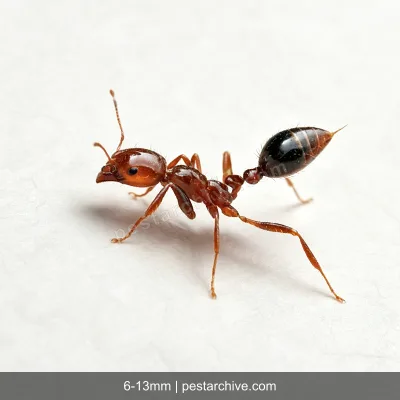
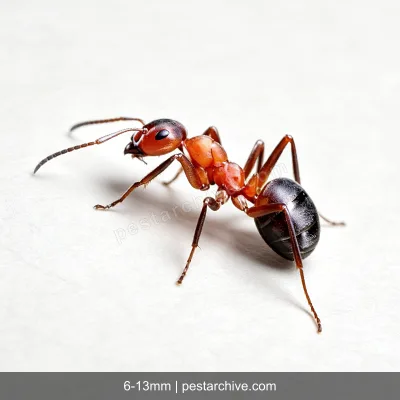
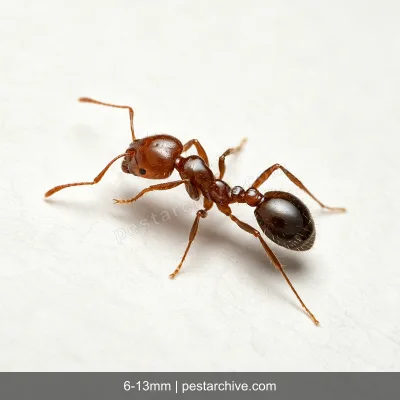
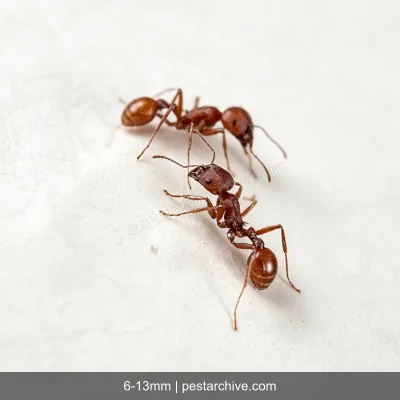
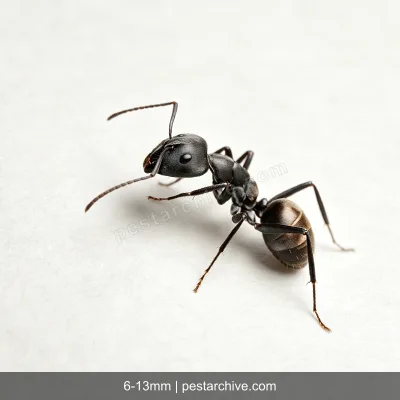
Fire Ant stings are among the most painful insect encounters a homeowner can experience. Each sting delivers a venom containing piperidine alkaloids (solenopsins) that produce an immediate burning sensation — hence the name "fire" ant — followed by a sterile pustule that forms within 24 hours.
A single Fire Ant can sting multiple times, gripping the skin with its mandibles while rotating its abdomen to inject venom in a circular pattern. In an attack, dozens to hundreds of ants may sting simultaneously, creating intense pain and potentially dangerous allergic reactions.
### First Aid for Fire Ant Stings
Step 1: Brush off all ants immediately. Do not try to swipe or slap — this triggers more stings as disturbed ants cling tighter. Use a fast, sweeping motion with your hand or a cloth to physically remove all ants from the skin.
Step 2: Wash the sting area with soap and water to remove residual venom on the surface.
Step 3: Apply cold compress — ice wrapped in a cloth for 10–15 minutes reduces swelling and numbs pain.
Step 4: Take an antihistamine — cetirizine, loratadine, or diphenhydramine reduces itching and localized swelling.
Step 5: Apply hydrocortisone cream (1%) to each sting site to reduce inflammation and itching.
Step 6: Do NOT pop the pustules. The white pustules that form within 24 hours are sterile (they contain dead tissue, not bacteria), but breaking them opens the skin to secondary bacterial infection. Let them resolve naturally over 3–7 days.
### When to Seek Emergency Care
Seek immediate emergency care if any of these symptoms appear:
- Difficulty breathing, wheezing, or throat tightness — signs of anaphylaxis.
- Swelling of the face, lips, tongue, or throat — life-threatening if airway is compromised.
- Dizziness, rapid heartbeat, or sudden drop in blood pressure — anaphylactic shock.
- Hives or widespread rash far from the sting sites — systemic allergic reaction.
- Large local reaction — swelling >10 cm around the sting site, or swelling of an entire limb.
People who have experienced anaphylaxis from Fire Ant stings should carry an epinephrine auto-injector (EpiPen) and see an allergist for desensitization therapy (fire ant venom immunotherapy is available and effective).
### Long-Term Prevention: Yard Fire Ant Management
Step 1: Identify and mark all mounds. Fire Ant mounds are dome-shaped, up to 40 cm tall, with no visible entrance hole on the surface (entrances are underground). Mounds appear after rain and in sunny, open areas of the lawn.
Step 2: Treat mounds individually. The most effective homeowner method is the "drench" or "bait-and-drench" two-step approach:
- Bait application: Broadcast a fire ant bait (containing hydramethylnon, spinosad, or indoxacarb) over the entire yard. Worker ants carry the bait back to the colony, which kills the queen over 1–2 weeks.
- Individual mound drench: After 7–10 days, treat remaining active mounds with a liquid insecticide drench (permethrin or bifenthrin) poured directly over the mound. This kills surviving workers quickly.
Step 3: Prevent reinfestation.
- Monitor for new mounds monthly during warm months (April–October).
- Re-treat with bait every 6–12 months as a preventive measure.
- Keep lawn grass at moderate height — very short grass provides ideal sunny nesting conditions; very tall grass provides cover.
### Protecting Children and Pets
- Teach children to recognize mounds and avoid them.
- Inspect play areas and sandboxes before children use them.
- Keep pets away from mounds — dogs are commonly stung when sniffing at mounds.
- Apply preventative bait around the perimeter of dog runs and play areas.