How to Treat Old House Borer Damage
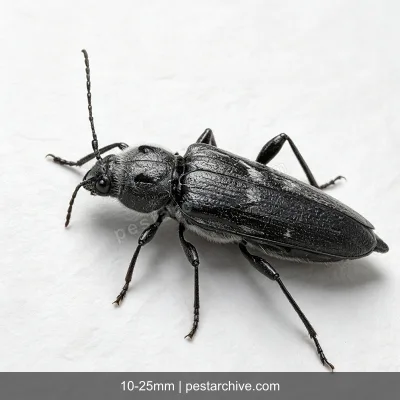
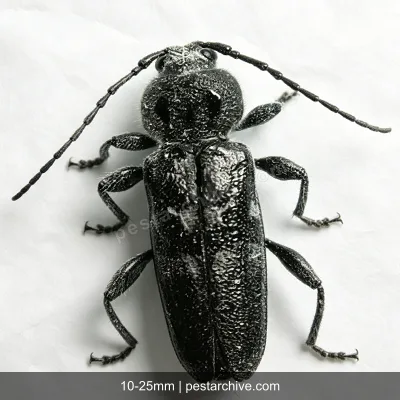
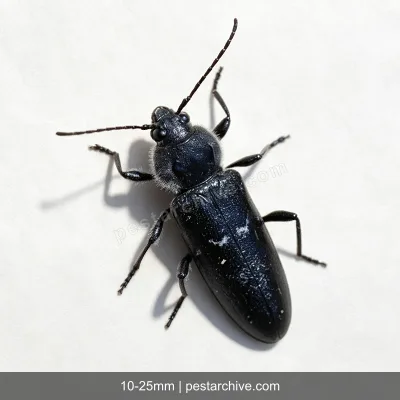
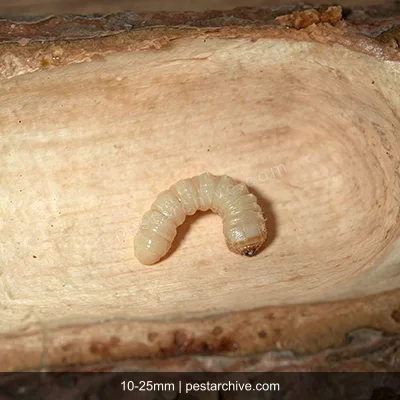
What Damage Do Old House Borers Cause?
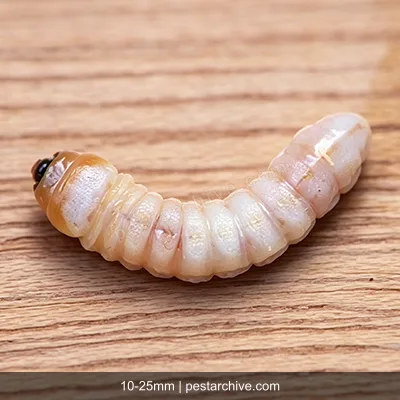
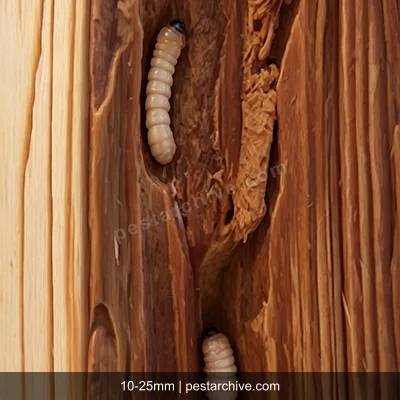
The old house borer is one of the most serious pests of structural timber. The damage it causes is far worse than that of common wood borers. The larvae can reach 3–5 cm in length and bore tunnels 1–2 cm in diameter, destroying wood at a rate dozens of times faster than ordinary wood borers.
Structural damage
Old house borer larvae live for 3–10 years or longer, constantly chewing their way through the wood. Their tunnels are thick and long, hollowing out beams, posts, and rafters from the inside:
- Severely reduces wood strength — The load-bearing capacity of the beam drops dramatically
- Creates a safety hazard — In severe cases, floors can sink and roofs can collapse
- Compromises the building envelope — The holes undermine the house’s insulation and moisture protection
Why are old house borers so hard to control?
- Extremely long larval stage — A 3–10 year larval stage gives them plenty of time to cause serious damage
- Hidden deep inside — Larvae stay deep within the wood, where surface treatments can’t reach them
- Hard to detect early — The outside of the wood may show only a single small hole while the inside is largely hollowed out
- High reproductive capacity — A single female can lay dozens to over a hundred eggs
Economic impact
Old house borers are especially destructive to older homes, timber-frame buildings, and historic structures. Repairing borer-damaged beams means replacing entire timbers, which is very expensive. In warm, humid regions, many historic buildings and traditional wood-frame houses are under threat from old house borers.
Which buildings are at risk?
- Older homes with pine or fir roof beams
- Timber-frame houses and vacation cabins
- Historic buildings and temples
- Wooden attics and roof structures
- Lumber storage warehouses
Take it seriously
If you find old house borers, don’t put it off. Early treatment might only need local injection. Wait too long, and you’ll be replacing entire beams.