Fruit Flies Keep Coming Back in Your Kitchen? Source Removal – Fruit Storage + Trash Clean Guide
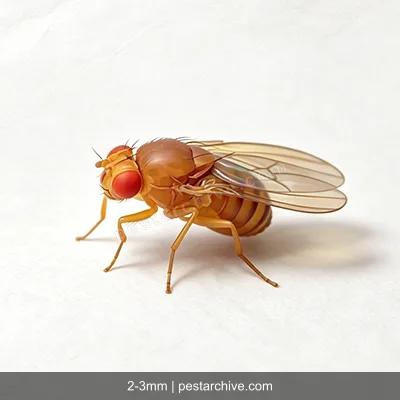
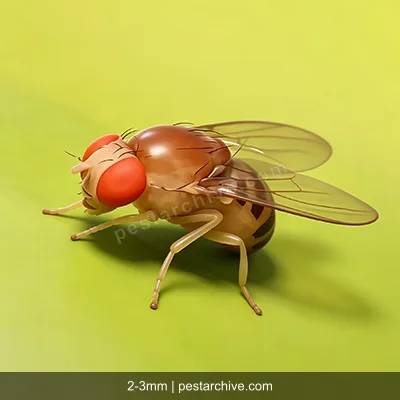
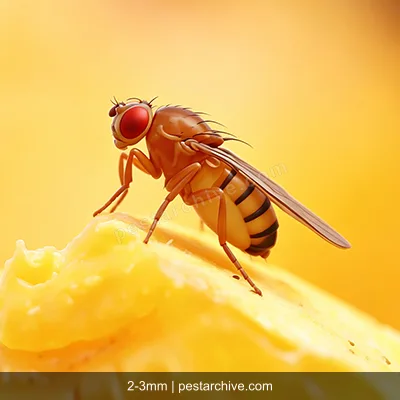
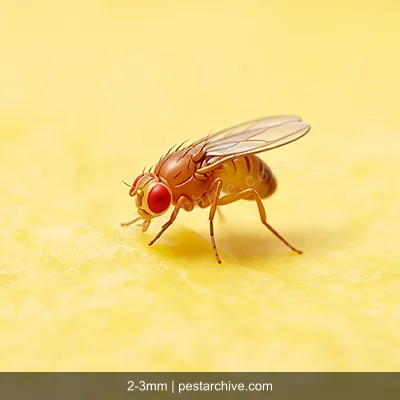
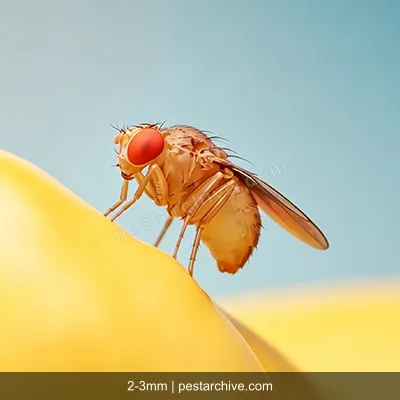
What's Your Kitchen Fruit Fly Situation? Quick Source Check
Fruit flies have a life cycle of just 8-10 days (egg to adult), but one female can lay 400-500 eggs in her lifetime. That means one unnoticed piece of rotting food = hundreds of flies a week later. Before you start swatting, find the source:
Flies clustered around the fruit bowl: Check for any fruit starting to rot. Black spots on banana peels, a soft spot on an apple, a few crushed grapes in a bunch – all are egg-laying sites. Even if most of the fruit looks fine, one small fermented spot is a breeding ground.
Flies around the trash can: There may be juice or liquid residue pooled at the bottom of the bin. Fruit fly larvae can survive in a thin film of liquid. If kitchen scraps sit for more than a day, flies have already laid eggs in there.
Flies around the sink drain: Food residue and grease build up on the inside of the kitchen drain pipe. This isn't fruit flies' favorite breeding spot (they prefer fruit), but it can sustain a small population.
Multiple spots at once: There may be several breeding sources in the kitchen. Check and treat each one.
What Tools Do You Need to Clear Kitchen Fruit Flies?
- Airtight fruit storage containers or produce bags – for storing ripe fruit
- Trash can with a sealing lid – replace open bins
- White vinegar or plain vinegar – for making fruit fly traps
- Dish soap + hot water – for cleaning trash cans and sinks
- Paper towels or rags
- Small bowl or cup – for the trap
- Plastic wrap – for the trap cover
- Toothpick – to poke holes in the wrap
Kitchen Fruit Fly Source Removal Steps
Step 1: Find and Remove All Rotting Organic Matter (about 15 minutes)
This is the only thing that truly works. Fruit flies depend entirely on rotting organic matter. Once you remove all breeding sources, adults have nowhere to lay eggs and will die off within 1-2 weeks.
Check these spots one by one:
- Fruit bowl on the counter: Take out every piece and inspect. Any fruit with soft spots, bruises, or fermentation – remove immediately (cut off the bad part and eat or refrigerate the rest, or discard entirely). Bananas, mangoes, avocados, and other climacteric fruits shouldn't sit on the counter – put them in the fridge.
- Trash can: Empty kitchen scraps immediately – tie the bag and take it out to the outdoor bin. Scrub the inside and bottom of the can with hot soapy water – pay special attention to grooves and crevices. Dry thoroughly with paper towels.
- Kitchen sink and drain: Scrub the sink and drain strainer with hot soapy water. Pour half a cup of baking soda down the drain, then half a cup of vinegar – let it foam for 15 minutes, then flush with hot water.
- Cabinet corners and crevices: Check for fruit that may have rolled to the back (a grape, a cherry tomato). Check stored root vegetables (onions, potatoes, sweet potatoes) for rot – rotting onions and potatoes are fruit fly favorites.
- Recycling bottles and jars: Empty beer bottles, juice bottles, yogurt cups – even a tiny bit of leftover liquid is enough to breed fruit flies. Rinse all recyclables before putting them in the recycling bin. Wash the bin itself regularly.
Step 2: DIY Fruit Fly Trap for Adults (works same day)
After removing the source, there are still adults flying around. Swatting one by one is tedious – a trap catches them in bulk. Here's a super simple homemade trap:
Take a small bowl and pour in about 1 inch (2cm) of apple cider vinegar or white vinegar. Add 1-2 drops of dish soap and stir (soap breaks surface tension – flies sink instead of floating). Cover the bowl with plastic wrap and poke 5-8 small holes with a toothpick (about 2-3mm across – flies can get in but have trouble getting out). Place the bowl near where flies are most concentrated.
Flies are attracted to the vinegar's fermented smell, crawl through the holes, contact the liquid, and drown (thanks to the soap). Within 24 hours, you'll see many dead flies at the bottom. Change the liquid and reset until you have two consecutive days with no new flies.
Step 3: Change How You Store Fruit (long-term prevention, about 10 minutes)
Once flies are gone, prevent recurrence by changing your fruit storage habits:
- Put ripe fruit in the fridge: Most fruits last longer and ferment slower in the crisper drawer. If you prefer room-temperature fruit (better flavor), only take out what you'll eat that day
- Bananas are the biggest fruit fly magnet: They release ethylene gas (ripening) and are a fruit fly favorite. If you're not eating them right away, separate individual bananas (don't keep them in a bunch) and wrap the stem end in plastic wrap (where fruit flies lay eggs) before refrigerating
- Dispose of fruit scraps immediately: Apple cores, watermelon rinds, banana peels – don't leave them in a bowl or open bin. Put them directly into the kitchen scrap bag and tie it shut
- Clear the counter every night: Before bed, make sure there's no fruit or food scraps left out. Fruit flies are most active at night
Step 4: Trash Management + Drain Maintenance (ongoing daily habits)
Trash: Empty kitchen scraps daily (at least once a day) – don't wait until the bag is full. Wash the bin itself with hot soapy water weekly and dry thoroughly. If your kitchen bin is open-topped, switch to a step-on can with a lid (lids slow down flies from entering to lay eggs). Line the bottom of the bin with a paper towel to catch any liquid that might leak from the bag – replace it when you change the bag.
Drain: Clean the kitchen sink drain with baking soda + vinegar weekly (same method as above). Every night before bed, flush the drain with hot water for 30+ seconds to wash away food residue from pipe walls.
Wait 2 weeks. If you see zero fruit flies after 2 weeks, you've removed all breeding sources. If they come back, there's a hidden source you missed – check fridge door seals, under the microwave, cabinet corners, and trash lid crevices.
How Long Until You See Results? What Counts as Success?
Same day: After removing all rotting matter, the trap will catch many adults that same day. Fly numbers should drop noticeably that evening.
Day 3: Adults live about 2-4 days. Without new breeding sources, most adults will have died naturally. The trap should have almost no new flies.
Week 1: If you still see new flies after a week (distinguish new ones from remaining adults), you missed a breeding source. Re-check.
Success: When your trap catches zero flies for 3 consecutive days and you see no new fruit flies in the kitchen. That's when you know the source is gone.
What NOT to Do When Clearing Fruit Flies
- Don't spray insecticide in the kitchen: Fruit flies fly all over – spray won't get them all, and with food and dishes around, residue is a high risk.
- Don't just swat flies without finding the source: The one you swatted already laid hundreds of eggs where you can't see. Finding the source is 100x more important than swatting adults.
- Don't toss rotting fruit in the indoor kitchen trash: Bag it separately and take it straight to the outdoor bin. Leaving it in the kitchen bin is an all-you-can-lay buffet for fruit flies.
- Don't use bleach on trash cans or counters to kill fruit fly eggs: Eggs are laid on rotting organic matter, not on clean hard surfaces. Bleach can't replace removing the rotting matter – that's the fundamental step.
Kitchen Fruit Fly Prevention Maintenance
Daily: Before bed – counter clear of fruit, trash emptied, sink free of scraps. Store fruit in the fridge or sealed containers.
Weekly: Wash the trash can inside and dry thoroughly. Clean the sink drain with baking soda + vinegar. Check stored onions and potatoes for signs of rot.
Monthly: Clean the recycling area and cabinet dead corners. Check the fridge crisper for any forgotten, rotting produce.
Kitchen Fruit Fly Checklist
- Did you check every piece of fruit on the counter and remove any with soft spots?
- Did you put ripe fruit in the fridge or sealed containers?
- Did you wrap banana stems with plastic?
- Did you empty and scrub the trash can with hot soapy water?
- Did you clean the kitchen drain with baking soda + vinegar?
- Did you check cabinet backs for hidden rotting food?
- Did you rinse all recyclable bottles and jars?
- Has your trap been empty for 3 days straight?
Kitchen Fruit Fly FAQs
Is it normal to have fruit flies in winter?
Yes. Modern homes stay at 64-77°F (18-25°C) year-round – perfect fruit fly temperature. Fruit flies don't fly in from outside (though they can in summer if windows are open) – in most cases, eggs are already on the produce you bought. Winter fruit fly problems have nothing to do with the season – they depend entirely on whether there's rotting organic matter in your kitchen.
How do you tell fruit flies from phorid flies?
Fruit flies are round-bodied, slow-flying, tan/yellowish, with translucent wings – they hang around fruit and fermented things. Phorid flies are slimmer, scurry around instead of flying slowly, grayish-black, and show up near trash and drains. Fruit flies prefer sweet fermentation; phorid flies prefer protein-rich rot. If your flies are mostly near the trash can (not the fruit bowl) and are grayish-black, they might be phorid flies, not fruit flies.
Are fruit flies harmful to health?
They don't bite or transmit major human diseases. But they land on food after being on rotting matter – their bodies and feet can carry bacteria (acetic acid bacteria, lactic acid bacteria, and other spoilage organisms). While these aren't usually pathogenic, it's still unhygienic. Plus, a fruit fly outbreak itself is a sign that rotting organic matter is sitting around in your kitchen – and that's the real hygiene issue.
* * * 9. Old House Borers