Why do fruit flies reproduce so quickly?
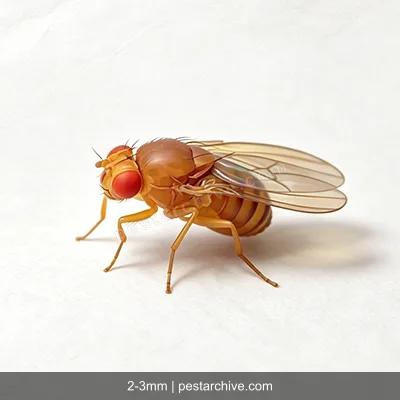
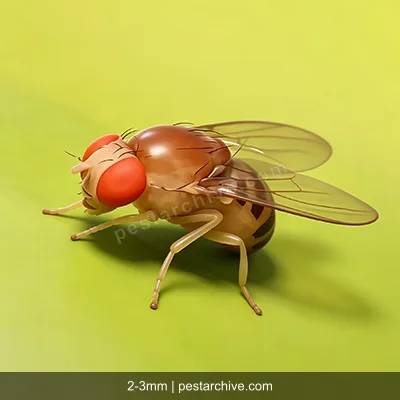
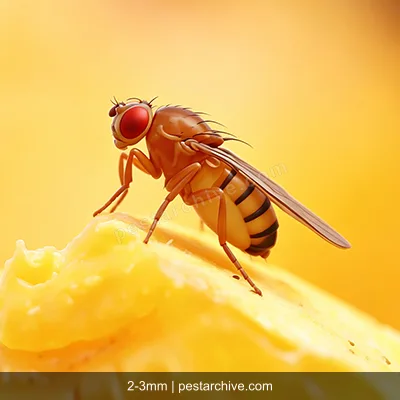
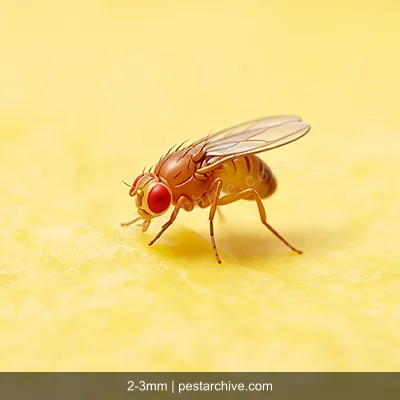
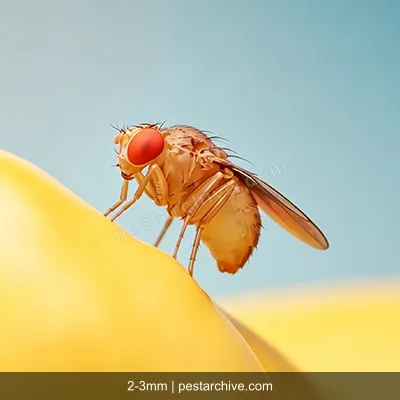
Why do fruit flies reproduce so quickly?
The reproductive speed of fruit flies is astonishing, this is why they seem to appear "overnight."
Reasons for rapid reproduction:
- Extremely short life cycle
At room temperature of 25-30°C, fruit flies go from egg to adult in only 8-12 days:
- Egg stage: about 1 day.
- Larval stage: about 4-5 days (larvae feed on rotting fruit).
- Pupal stage: about 4-5 days (pupate in dry places).
- Adults can mate within hours of emergence, starting the next generation.
- Large egg output
A single female fruit fly can lay 300-500 eggs in her lifetime (about 30 days). She lays dozens of eggs at a time on the surface of rotting fruit. The eggs are very small, almost invisible to the naked eye.
- Year-round reproduction
Fruit flies have no obvious seasonality. As long as indoor temperatures are above 15°C and food is available, they can reproduce year-round. Reproduction is faster in summer when temperatures are higher.
- Very low food threshold
Fruit flies do not need large amounts of food, one rotten banana peel, half a rotten tomato, or a small piece of rotten apple can produce dozens of fruit flies. They are especially attracted to fermented sweet fruit, like overripe bananas.
A specific example
Monday: A banana is forgotten in the kitchen corner and starts to turn black.
Wednesday: A female fruit fly has laid hundreds of eggs on the banana peel.
Friday: Eggs hatch into larvae, feeding on the fruit flesh.
Next Monday: Larvae pupate.
Next Wednesday-Friday: A new generation of adult fruit flies emerges and begins laying eggs.
Two weeks later: dozens become hundreds.
Key takeaways for control
Because fruit flies reproduce so fast, the key to control is:
- Cut off the food source immediately upon detection, put fruit in the refrigerator, seal and discard kitchen waste.
- Do not give them any opportunity to lay eggs, no rotten fruit, no accumulated kitchen waste.
- Use traps to reduce adult numbers.
- Combine with dinotefuran-containing household insecticide sprayed around garbage bins.