What are the small red-eyed flies near the garbage bin?
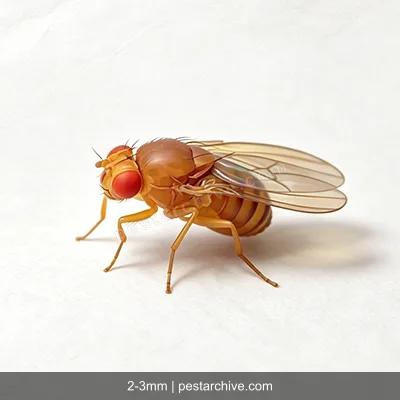
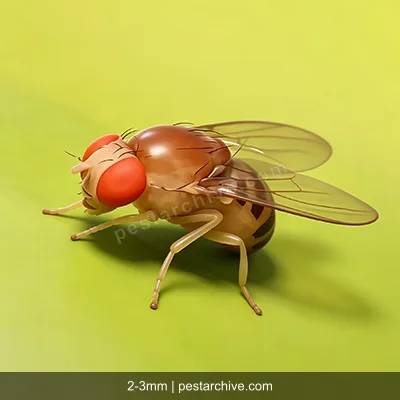
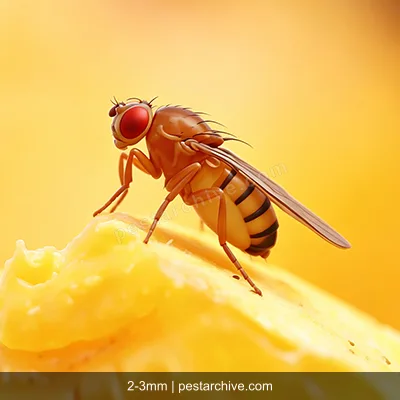
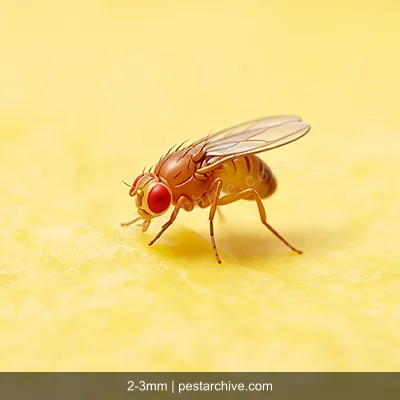
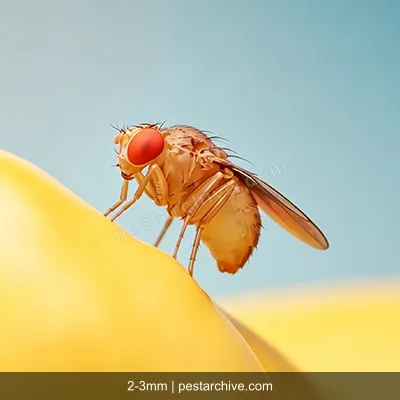
The short answer: Those tiny flies with bright red eyes are fruit flies (also called vinegar flies). They breed in rotting fruit, vegetable peels, and fermenting liquids. The key to eliminating them is to remove the breeding source, not just swatting the adults. Clean up overripe fruit, take out garbage, and set vinegar traps. Without a food source, they disappear in a few days.
- Confirm it’s fruit flies
- Size: 2–4 mm, pale yellowish-brown or tan.
- Distinctive bright red compound eyes, this separates them from phorid flies (which have darker eyes).
- Slow, hovering flight; they gather around fruit bowls, compost bins, and garbage cans.
- They are not as robust as house flies, they are slender.
- Where do they come from?
- They don’t necessarily come from outside, they breed indoors on overripe fruit, fermenting liquids (juice, soda, beer), and vegetable scraps.
- A female lays hundreds of eggs on the surface of rotting material. At 25°C, eggs hatch in about a day, and a generation is completed in about 10 days, hence rapid explosions.
- They can also breed in drains or on spilled liquids that ferment.
- Step 1: remove breeding sources
- Eat, refrigerate, or discard any overripe fruit, especially bananas, apples, and tomatoes.
- Clean vegetable peels and scraps from countertops and sink strainers.
- Rinse and recycle empty drink bottles (juice, soda, beer) immediately.
- Take out kitchen trash daily, use a lidded bin.
- Step 2: clean hidden spots
- Check under the refrigerator, behind the microwave, and inside cabinets, spilled liquid can ferment unnoticed.
- Clean the sink drain, pour boiling water down it to kill any larvae that may have settled.
- Don’t forget compost containers, they must be emptied and cleaned regularly.
- Step 3: set traps for adults
- DIY vinegar trap, in a shallow dish, mix 1 cup water, 1 tablespoon sugar, 1 tablespoon apple cider vinegar, and a few drops of dish soap. Place near the infested area, flies are attracted to the vinegar, and the soap breaks surface tension so they drown.
- Commercial fruit fly traps with a cone shape work well too.
- Traps catch the adults but don’t eliminate larvae, always combine with source removal.
- Step 4: residual spray (optional)
- After cleaning, you can spray dinotefuran-containing household insecticide around the garbage bin and sink area as a residual barrier.
- This kills any newly emerged adults that land on treated surfaces.
- However, without cleaning, spraying alone is useless, they will keep breeding.
- Why they may return
- If you see them again after a week, there is still a breeding site, check for forgotten potatoes, onions, or a dirty recycling bin.
- Sometimes they come from drains, pour boiling water and scrub the drain walls with a brush to remove biofilm.
Common mistakes
- ❌ Only using a trap and not cleaning the source, you’ll catch some adults but larvae will continue to emerge.
- ❌ Leaving fruit out, even one banana peel can sustain a population.
- ❌ Forgetting the recycling bin, soda cans with leftover liquid are major sources.
Mini FAQ
Q: Can fruit flies come from the drain?
A: Yes, if organic matter accumulates in the drain, they can breed there. Clean regularly.
Q: How long does it take to get rid of them?
A: After removing all sources, adults die off in about 2–4 days (their lifespan is short).
Q: Are fruit flies harmful?
A: They don’t bite, but they can contaminate food with bacteria from their breeding sites.
Your fruit fly elimination list
- Throw away all overripe fruit and veg.
- Clean counters, sinks, and garbage bins.
- Rinse and recycle empty bottles.
- Set vinegar traps.
- Pour boiling water down drains.
- Check daily for new sources, repeat until gone.