Fruit Flies Everywhere in the House? What to Do
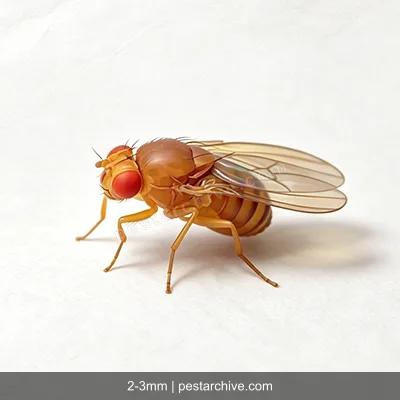
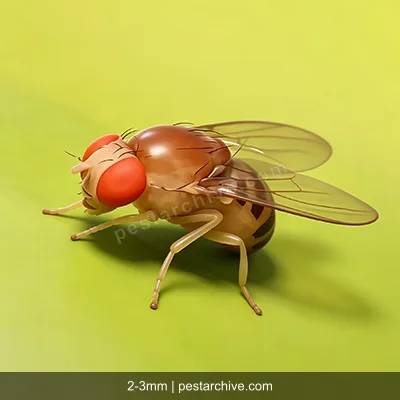
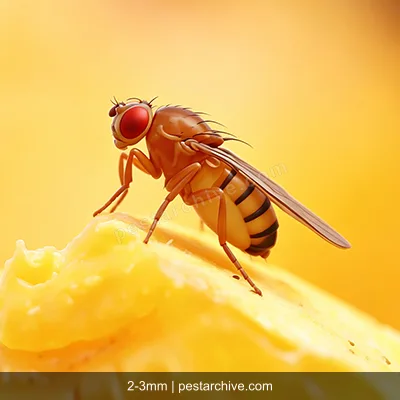
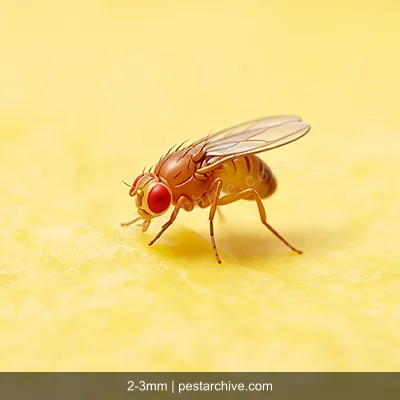
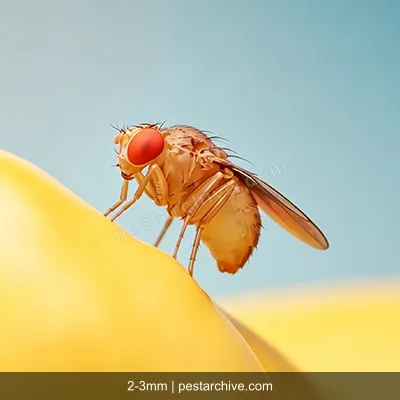
Real scene: You walk in the door after work and flip on the kitchen light. A dozen tiny flies are hovering in the air, over the counter, around the trash can, near the fruit bowl. You grab a fly swatter and chase them down. Next evening, the same thing. Fruit flies aren't about the adults you see. They're about the rotting source you haven't found yet.
Quick answer: If fruit flies are everywhere, there's an active breeding source in your home. Three emergency steps: find and throw away the rotting food source, use vinegar traps to catch adults, and thoroughly clean every surface where eggs may have been laid. Kill adults without removing the source and you'll have a new batch in 48 hours.
Step 1: Find and remove the breeding source
Fruit flies don't appear from nowhere. The adults are flying around, but the eggs and larvae are on a damp surface with fermenting organic matter. Go through this checklist in order:
- Fruit bowl: Pick up each piece of fruit and check the bottom. Is it soft, leaking juice, or covered in tiny black dots (fruit fly eggs)? Bag any spoiled fruit, seal it, and take it straight to the outdoor trash.
- Trash can: Pull the bag out and check the bottom of the can. Is there spilled juice or soup down there? A small puddle of liquid at the bottom can breed dozens of fruit flies.
- Sink strainer: Food scraps left in the strainer can become a breeding site in 24 hours. Remove the strainer and scrub it with hot water and dish soap.
- Unwashed drink containers: Beer bottles, juice glasses, yogurt cups. Even a tiny bit of leftover liquid is enough for fruit flies to breed on.
- Kitchen sponges and dishcloths: Food residue on damp sponges and cloths can also breed fruit flies. Microwave them on high for 1 minute to sanitize, or just replace them.
- Cabinet bottoms: Use a flashlight to check cabinet corners for any potatoes, onions, or fruit that may have rolled out of sight.
Step 2: Catch the adults in large numbers
After removing the source, use physical methods to clear out the remaining adults:
- Vinegar trap: Take a bowl and add about 2 cm of apple cider vinegar or rice vinegar. Add a drop or two of dish soap and stir. Fruit flies are drawn to the vinegar, and the soap breaks the surface tension so they drown. One trap can catch dozens overnight. Place it where you see the most flies, like near the fruit bowl, trash can, or sink.
- Handheld vacuum: Suck up a cluster of fruit flies directly. It takes seconds. Empty the canister into an outdoor trash can immediately afterward.
- Yellow sticky traps: Fruit flies are attracted to yellow. Hang them in kitchen corners to continuously catch any stragglers. Non-toxic and safe for homes with kids and pets.
Step 3: Deep clean
- Wipe down all kitchen countertops with hot soapy water, especially where the fruit bowl sat and around the trash can.
- Rinse the sink thoroughly with boiling water and dish soap. Then pour in a baking soda and vinegar mixture, let it sit for 15 minutes, and rinse again. This cleans organic residue off the pipe walls.
- After emptying the trash can, scrub the inside walls and bottom with hot water and dish soap. Let it dry before putting in a new bag.
- Mop the floor, especially under the trash can and cabinet bottoms.
Pesticides: Not needed and not recommended
Fruit flies are in your kitchen, and kitchens are where you handle food. Spraying insecticides can drift onto food, dishes, and countertops. The trade-off isn't worth it. Physical methods are more than enough for fruit flies.
Common mistakes
- Mistake 1: Spraying insecticide to kill adults is enough. Fact: As long as the rotting source remains, a new generation will hatch in 8 to 10 days. No source removal means repeated outbreaks.
- Mistake 2: Fruit is fine at room temperature as long as it's not rotten. Fact: Fruit flies can lay eggs on fruit that's just ripening and looks perfect on the outside, especially bananas and tomatoes. It doesn't need to be rotten.
- Mistake 3: Fruit flies only appear in summer. Fact: In heated indoor spaces during winter, if there's a continuous food source (like fruit stored at room temperature), fruit flies can breed year-round.
Preventing recurrence
Three habits will stop fruit flies from coming back: put fruit in the fridge or eat it quickly, use a covered trash can and empty it daily, and clean the sink strainer after every use. Do a quick weekly check of cabinet bottoms and the fruit bowl.
* * * 5. How to Defend Against Horse Flies Around Your Home