Is food-grade diatomaceous earth effective against Indianmeal moths?
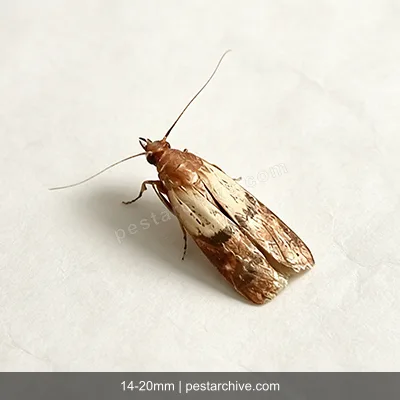
Is food-grade diatomaceous earth effective against Indianmeal moths?
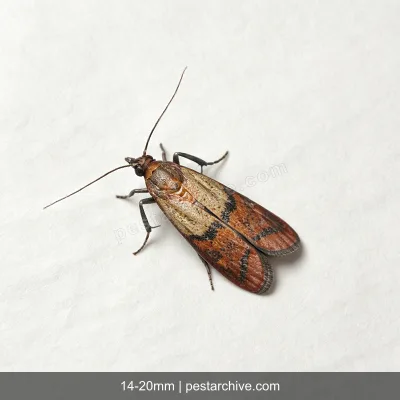
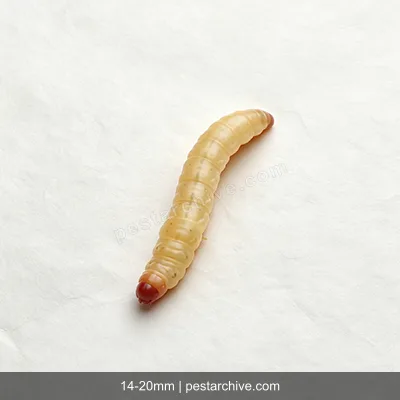
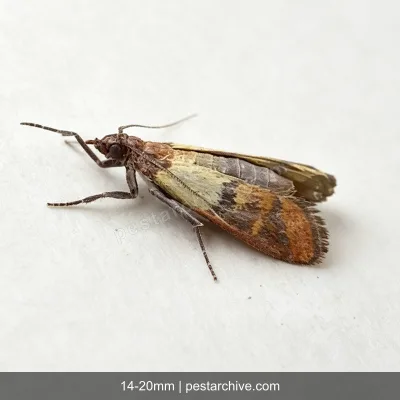
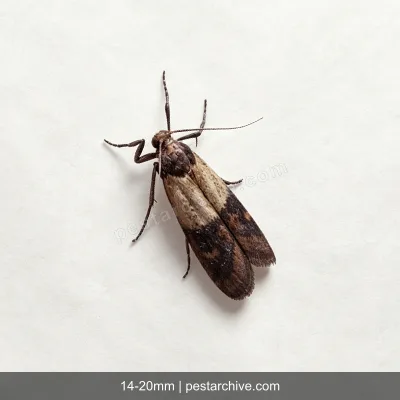
Diatomaceous earth has some effect on Indianmeal moths, but primarily against adults and exposed larvae. It has limited effect on larvae hidden inside food.
Effectiveness of diatomaceous earth against Indianmeal moths
- Adults (moths) — die upon contact with the protective layer, preventing further egg-laying.
- Exposed larvae — crawling on cabinet surfaces die upon contact.
- Larvae inside food — the powder cannot penetrate the food, so it does not reach them.
- Eggs — no ovicidal effect.
Correct usage
Step 1: Remove the source
Before using diatomaceous earth, the breeding source must be eliminated:
- Identify food with webbing and larvae.
- Seal and discard it immediately.
- Without removing the source, spraying is ineffective.
Step 2: Clean the environment
Empty the cabinets:
- Discard all infested food.
- Temporarily remove uninfested food.
- Vacuum all powder and debris.
- Wipe cabinet interiors with a damp cloth.
Step 3: Apply the powder
Evenly apply diatomaceous earth to:
- Cabinet corners and shelf crevices.
- Door frames and edges.
- Wall crevices and baseboards.
- Top of cabinets and undersides of wall cabinets (where larvae like to pupate).
Step 4: Allow to dry
Leave cabinet doors open for 1-2 hours to allow the powder to dry completely.
Step 5: Return food
Place uninfested, sealed food back into the cabinets.
Precautions
- Do not apply directly to food.
- Larvae inside food cannot be killed by spraying—they must be discarded.
- Once dry, the protective layer remains effective for 2-4 weeks.
- Combine with airtight storage for complete eradication.
Comprehensive advice
The most effective approach against Indianmeal moths is: discard infested food + seal all food + apply environmental spray. Spraying alone without discarding the source is pointless.