Pantry Moth Traps: Do They Work?
What Are Indian Meal Moths?
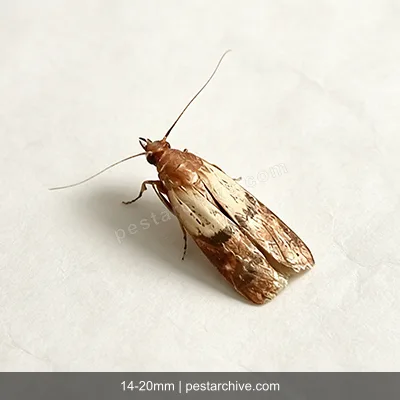
The Indian meal moth (Plodia interpunctella) is an extremely widespread stored-product pest. Originally native to India (hence the name), it has now spread worldwide. It is one of the most common moth pests found in home kitchens.
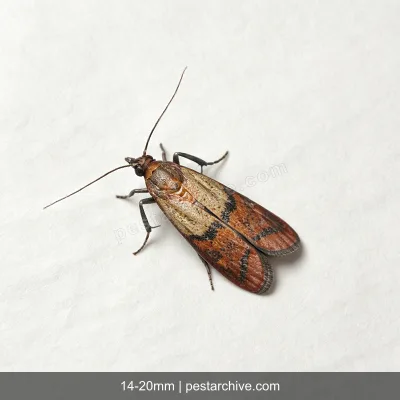
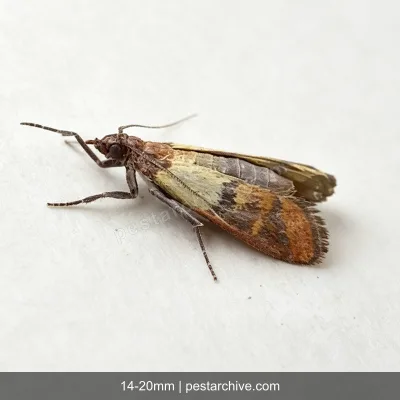
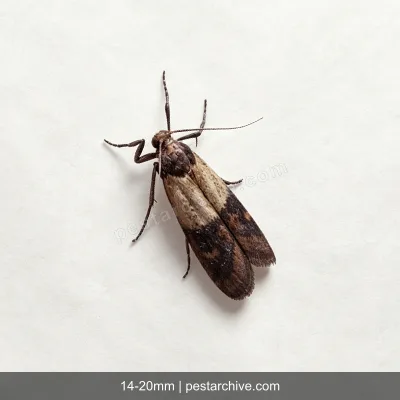
Adult (Moth) Characteristics
- Wingspan: 1.3–1.8 cm
- Forewings: basal half pale grayish-white, outer half reddish-brown or coppery with dark markings
- Hindwings: pale grayish-white, semi-transparent
- At rest, wings are held roof-like over the body
- Lifespan: 1–2 weeks
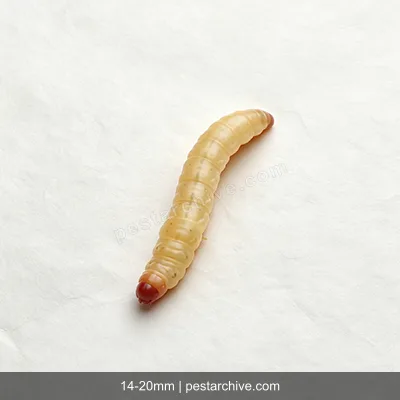
Larva (Caterpillar) Characteristics
- Length: 1–1.5 cm
- Color: creamy white, sometimes with a pinkish or greenish tinge
- Head: brown or reddish-brown
- Most distinctive trait: spins silk webbing, creating a silken mat over the food surface
Why Are Indian Meal Moths So Hard to Deal With?
- Fast breeding — a single female can lay 100–400 eggs; under favorable temperatures they can complete 4–6 generations per year
- Extremely broad diet — almost any dry plant-based food is a target
- Highly concealed — larvae hide inside the food or under silk webbing, making them hard to spot
- Silk-spinning ability — the silk protects larvae from natural enemies and chemical treatments
- Difficult pupation sites — fully grown larvae crawl to wall corners, cabinet-top crevices, and packaging folds to pupate, making them very hard to clean out
Complete Indian Meal Moth Life Cycle
- Egg (3–5 days) — laid on the food surface or in packaging crevices
- Larva (2–4 weeks) — feeds, spins silk, creates webbing, continues to grow
- Pupa (1–2 weeks) — pupates inside a silk cocoon or in a corner crevice
- Adult (1–2 weeks) — emerges, mates, lays eggs, completing the cycle
How Temperature Affects Breeding
- 25–30°C (77–86°F): optimal temperature; one generation completes in 25–30 days
- Below 20°C (68°F): development slows significantly
- Below 15°C (59°F): reproduction basically stops
Key Control Point
Airtight storage of all dry goods is the key. Adults can fly, but as long as the food is sealed, they can't lay eggs on it and can't reproduce.