Do gamasid mites breed on beds?
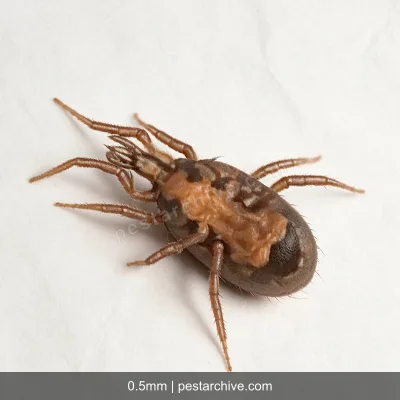
Do gamasid mites breed on beds?
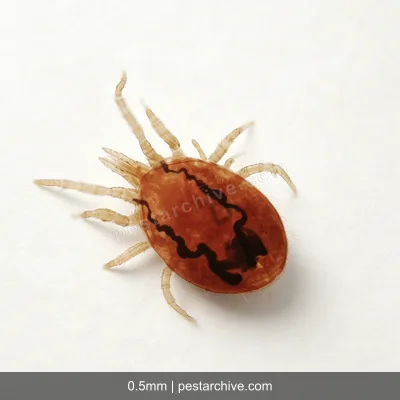
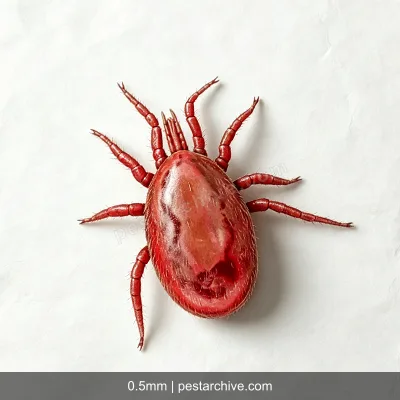
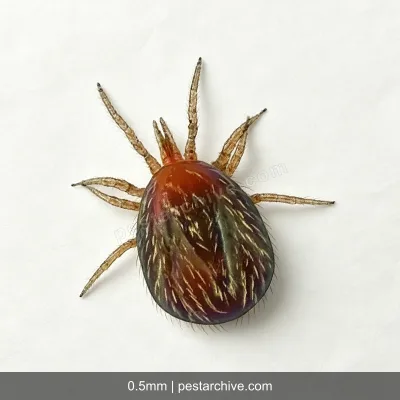
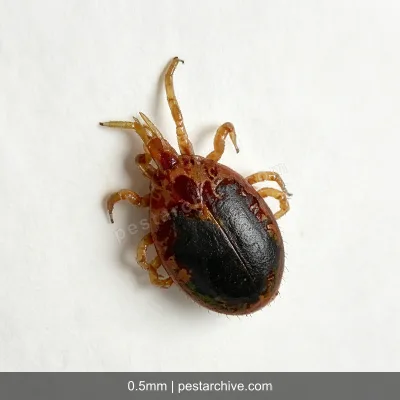
Gamasid mites generally do not breed on beds, but being bitten by them in bed is not uncommon.
Why they do not breed on beds
Gamasid mite reproduction depends on rats. Their complete life cycle requires a rat nest—mites feed on rat blood, drop off into nest bedding to lay eggs, and larvae feed on rats. Without a stable rat host on the bed, they cannot complete their reproductive cycle.
Why mites may still appear on beds
Although they do not breed there, mites may crawl onto beds in the following situations:
- Rats pass near the bed — If rats are active behind nightstands, under wardrobes, or under the bed, mites may drop off and crawl onto the bed.
- Carried by pets — Pets that have been in rat-active areas may carry mites onto the bed.
- Crawling from wall cracks — If the bed is against a wall with a rat nest, mites may emerge from cracks and crawl along the bed frame onto the surface.
What being bitten in bed means
If you find bite marks and suspect gamasid mites, check:
- Whether there are signs of rats under the bed (droppings, urine odor, shredded paper).
- Whether there are rat holes behind nightstands or wardrobes.
- Whether the bed is against a wall with cracks.
- Whether pets frequently get on the bed.
What to do if bitten in bed
- Inspect and seal rat entry points—find how rats enter the room; seal with steel wool and expanding foam.
- Move the bed away from the wall—at least 10 cm gap to prevent mites from crawling across.
- Use an anti-mite mattress encasement to fully cover the mattress.
- Spray bed frames and slats with household insecticide containing deltamethrin.
- The key is rat elimination—without rats, the mite problem will resolve itself.