Where are latrine fly larvae found?
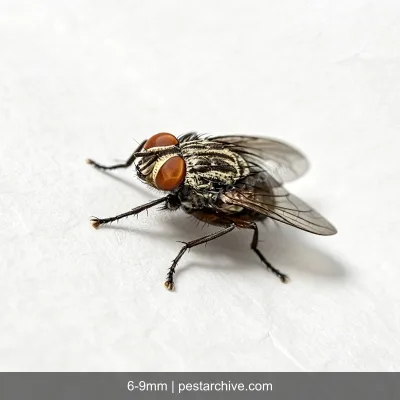
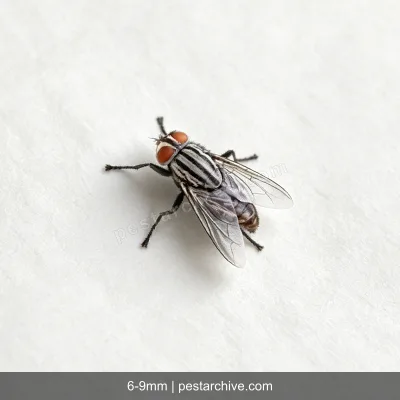
Where are latrine fly larvae found?
Latrine fly larvae are what are commonly called "maggots," but their living and feeding environments are more specific.
Typical breeding environments for latrine fly larvae
- Animal carcasses — dead rats, birds, rabbits, etc. This is the most characteristic breeding site for latrine fly larvae. The strong odor of decaying animal carcasses attracts latrine flies to lay eggs.
- Rotting meat and offal — raw meat, fish guts, poultry offal, etc., left in garbage bins for several days can produce latrine fly larvae.
- Animal waste in compost — compost containing meat scraps, bones, and eggshells, especially if not turned adequately.
- Accumulated pet feces — cat litter boxes and dog toilets not cleaned promptly may harbor larvae.
- Poultry rearing areas — accumulated manure and leftover feed under chicken coops and pigeon lofts.
- Slaughter waste — near markets or slaughterhouses.
Larval characteristics
- Appearance: typical maggot form, creamy white or pale yellow.
- Body length: 8-12 mm (mature larvae).
- Form: legless, tapered head, blunt rounded tail.
- Behavior: gregarious, wriggling in decaying matter.
- Development: larval stage completed in about 5-7 days at 25-30°C.
What to do if found
- Clean up immediately; place in a sealed bag and dispose of in an outdoor trash bin.
- Wash the breeding site with disinfectant or boiling water.
- Spray dinotefuran-containing household insecticide on the surrounding floor and walls.
- Find and eliminate the root cause of the latrine fly breeding.