What pathogens do latrine flies transmit?
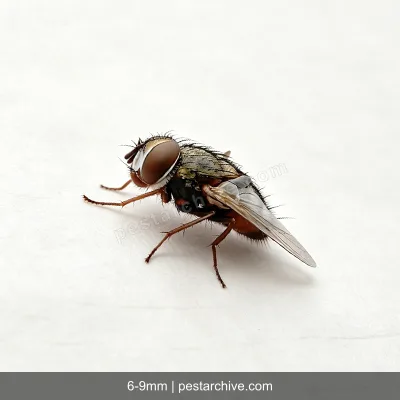
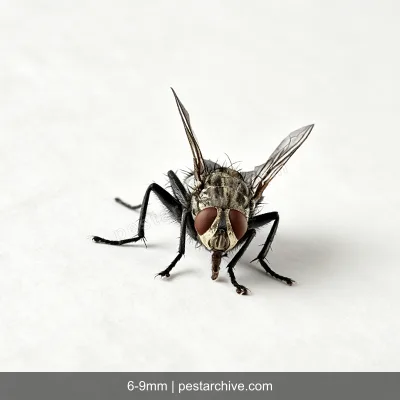
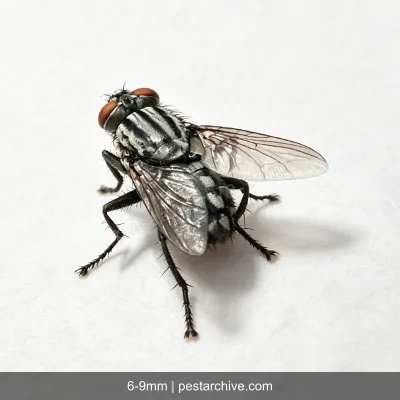
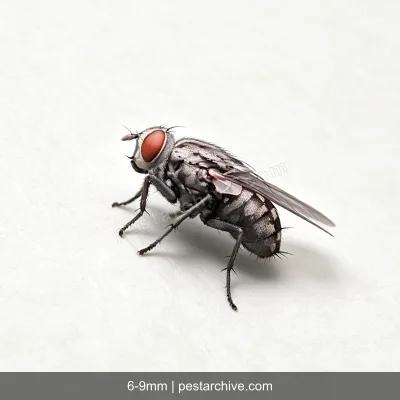
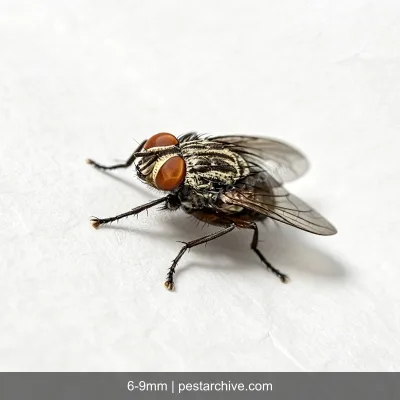
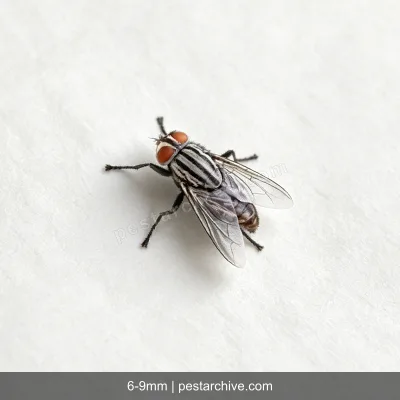
What pathogens do latrine flies transmit?
Latrine flies are "indicator insects" of poor sanitation because they frequently feed and lay eggs on decaying organic matter, animal carcasses, and feces, carrying large numbers of pathogenic microorganisms on and in their bodies.
Main pathogens carried by latrine flies
- Salmonella — causes food poisoning; symptoms include nausea, vomiting, diarrhea, and fever; severe cases can lead to dehydration.
- Shigella — causes bacterial dysentery; typical symptoms are abdominal pain, fever, and bloody mucoid stools.
- E. coli — certain pathogenic strains cause severe diarrhea and abdominal pain; more dangerous for children and the elderly.
- Staphylococcus aureus — produces enterotoxins when multiplying in food, causing food poisoning with severe vomiting.
- Streptococcus — may cause wound infections and respiratory infections.
Transmission routes
Latrine flies transmit pathogens mainly in two ways:
- Mechanical carriage on body surfaces — their feet and mouthparts have numerous fine hairs that easily adhere to pathogens. When latrine flies crawl on food, utensils, or countertops, they directly contaminate them.
- Fecal contamination — their habit of vomiting and defecating while feeding deposits intestinal pathogens onto food surfaces. A single landing can leave a large number of pathogens.
Health risks
Latrine flies are not only disgusting but also:
- Contaminate kitchen countertops and utensils, leading to cross-infection among family members.
- Leave pathogens on food, even with just a brief landing.
- May cause intestinal infectious diseases when present in large numbers.
Control recommendations
Control latrine flies at the source: promptly dispose of kitchen waste and food scraps, keep garbage bins covered and sealed, and maintain clean kitchen drains and sewer pipes. When latrine flies appear indoors, apply dinotefuran-containing household insecticide as a residual treatment around garbage bins and inside sink cabinets.