How to use dinotefuran-containing household insecticide spray against drain flies?
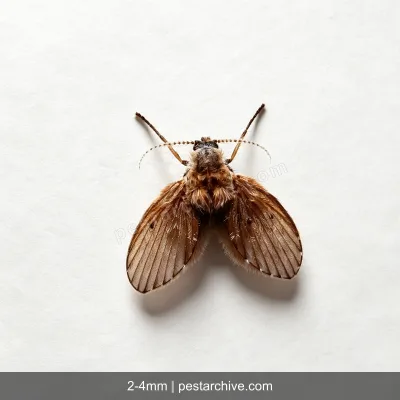
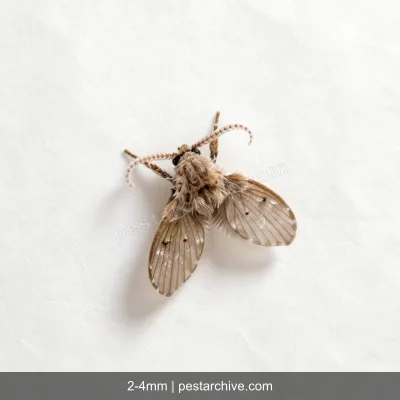
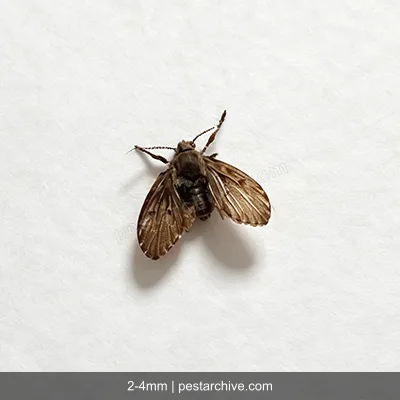
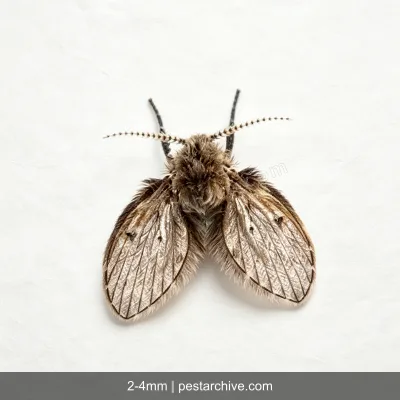
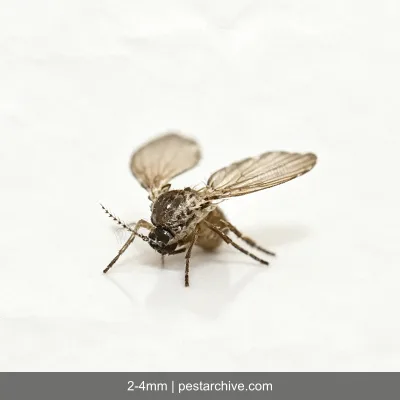
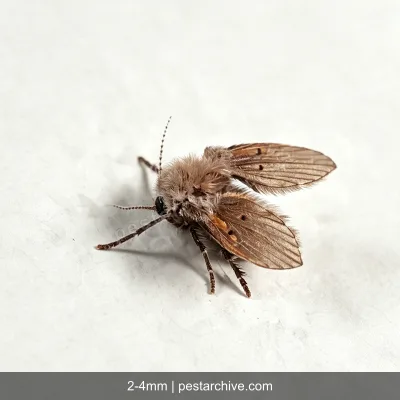
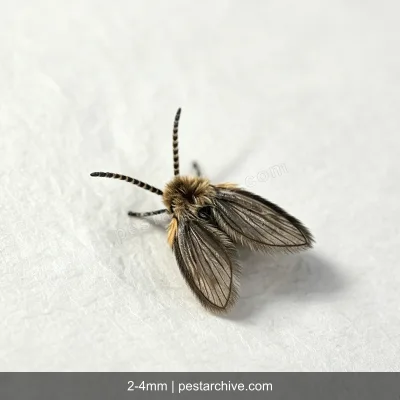
How to use dinotefuran-containing household insecticide spray against drain flies? Using dinotefuran spray against drain flies involves two aspects — adult resting surfaces and pipe openings; both must be treated.
Aspect 1: Treat adult resting surfaces
Drain flies like to rest motionless on walls and corners:
- Spray dinotefuran-containing household insecticide evenly on bathroom walls, tile edges, and the sides of the vanity.
- Once dry, it forms an invisible film; adults that land on it die.
- These surfaces are not washed by water daily, so the film lasts a long time.
- For large wall areas, hold the nozzle 20-30 cm from the wall.
Aspect 2: Treat pipe openings
- Also spray the outer walls of floor drains and drainpipes — larvae crawling out to pupate or adults emerging will all contact it.
- Spray the joint around the base of the toilet.
- Also spray the outer wall of the drainpipe under the sink.
- Treat both pipe openings and resting surfaces for double coverage.
Spraying method
- Spray until the surface is slightly damp; do not over-apply.
- Focus on areas around drains and pipe openings.
- Bathroom walls can be sprayed evenly over large areas.
- Avoid electrical outlets and appliances.
Maintenance
- The residue lasts 2-4 weeks; normal wall wiping does not remove it.
- Areas washed by water (e.g., shower walls) need reapplication.
- Combined with pipe cleaning (scrubbing + boiling water), the effect is stable and long-lasting.