How to clean floor drains to prevent drain flies?
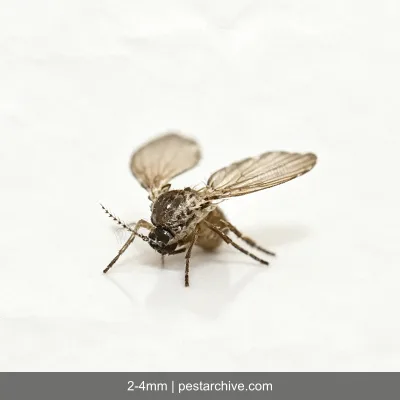
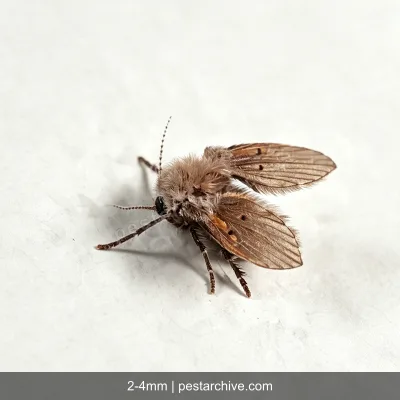
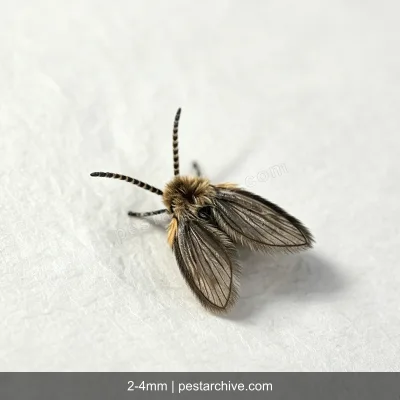
How to clean floor drains to prevent drain flies?
The floor drain is the main entry point for drain flies — larvae grow in the pipes, and adults emerge from the drain. Proper drain management prevents most drain flies.
Thoroughly clean the floor drain
Drain fly larvae hide in the slime on the inner walls of the drain; they must be scrubbed off:
- Remove the drain cover and strainer; use an old toothbrush to scrub off the grime.
- Insert a brush into the pipe opening to scrub off the black sludge on the inner walls — this is the larvae's food source.
- Detachable parts (strainers, drain inserts) should be removed and scrubbed separately.
- After scrubbing, pour a pot of boiling water down the drain to kill remaining eggs and larvae.
- Don't forget the overflow openings of washbasins and kitchen sinks — they can also breed flies.
Routine maintenance
- Pour boiling water down the drain weekly to prevent larvae from re-establishing.
- Keep the drain covered when not in use to prevent adults from emerging.
- Regularly check that drainage is unobstructed; standing water breeds drain flies.
- Keep the area around the drain dry.
Replace with insect-proof floor drains
- Replace ordinary drains with odor-proof, insect-proof types for a permanent solution.
- Deep water-seal drains work best (water seal depth above 5 cm).
- Spring-loaded or magnetic-seal drains are also effective.
- After replacement, adults in the pipes cannot emerge, and new ones cannot enter.
Combine with insecticide
- Spray dinotefuran-containing household insecticide around the outer rim of the drain and the surrounding floor.
- If any adults emerge through cracks, they will die upon contact with the residue.
- Also spray the inner rim of the pipe opening.
- Once dry, the residue forms a film effective for 2-4 weeks.