How to completely eliminate bean weevils from the home?
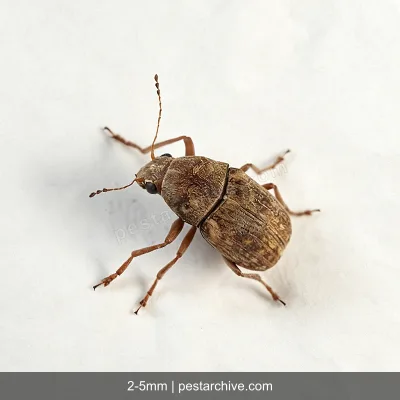
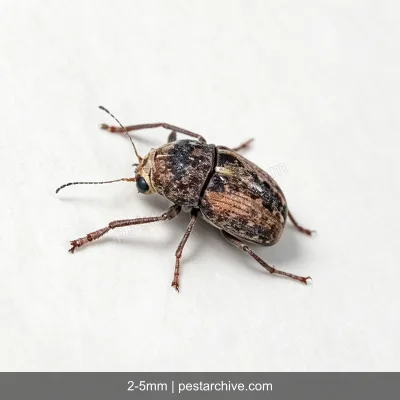
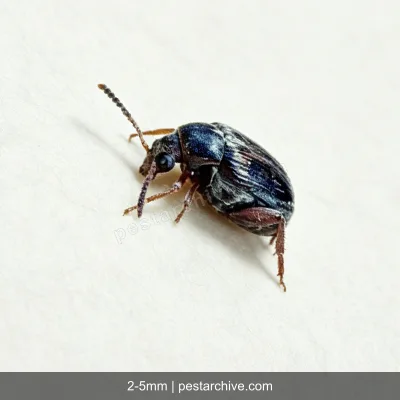
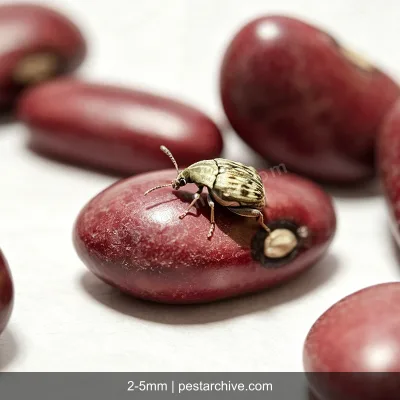
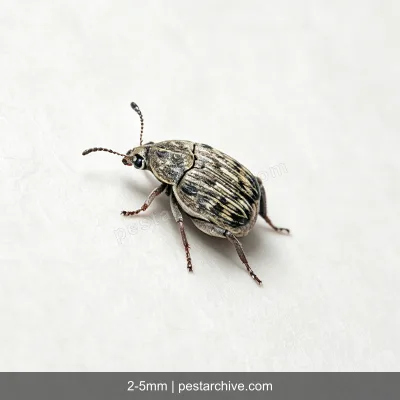
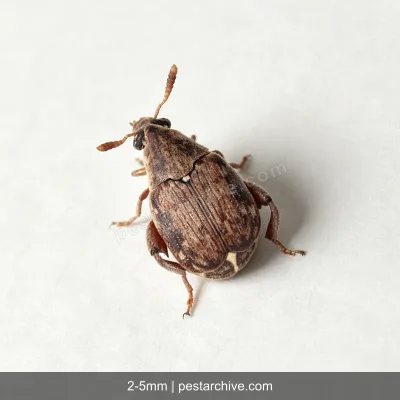
How to completely eliminate bean weevils from the home?
Household elimination of bean weevils requires a systematic approach to completely clear them from the kitchen.
Step 1: Comprehensive inspection
Check all potential food sources in the kitchen:
- All beans—mung beans, red beans, soybeans, broad beans, peas, kidney beans, etc.
- Grains—millet, corn grits, etc.
- Dry goods—lotus seeds, peanuts, dried fruits.
- Look for insects, exit holes, or powder.
Step 2: Treat infested food
Choose the method based on the severity:
- Light infestation (few holes): Freeze for 48 hours, then sort.
- Heavy infestation (many holes, powder): Dispose of immediately.
- If uncertain: Freeze, seal, and monitor.
Step 3: Seal uninfested food
For beans and dry goods not yet infested:
- Place them in airtight jars or sealed bags.
- If possible, freeze them for a few days before sealing.
- Ensure the seal is intact to prevent weevil entry.
Step 4: Thoroughly clean cabinets
After removing all food:
- Vacuum all powder and debris from inside the cabinets.
- Wipe down the interior with a damp cloth or mild cleaner.
- Use a brush to clean corners and crevices.
- After drying, clean storage areas and apply food-grade diatomaceous earth as a protective measure inside cabinets.
- Allow the powder to settle and dry completely.
Step 5: Return food to cabinets
- Ensure all food is properly sealed.
- Organize by type for easy future inspection.
- Do not mix different beans; store them in separate jars.
Step 6: Long-term prevention
- Freeze newly purchased beans before storing.
- Always store in airtight containers—don't take shortcuts.
- Check stored grains monthly.
- Keep the kitchen dry and well-ventilated.
Summary
Eliminating bean weevils is not difficult. Focus on three key points:
- Dispose of all infested sources.
- Freeze or seal all uninfested items for protection.
- Clean and treat the environment to prevent return.
Following these three steps will clear the infestation in one go. The key is to maintain proper storage practices afterward to prevent reinfestation.