How to Prevent Bean Weevils in Stored Legumes
What Are the Tiny Black Bugs in My Mung Beans?
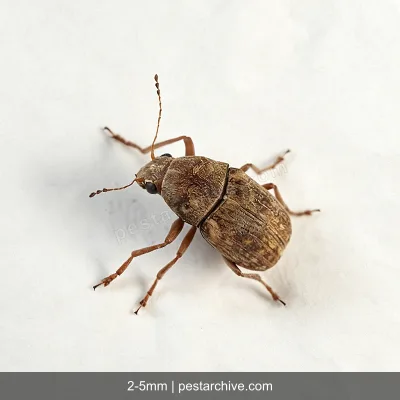
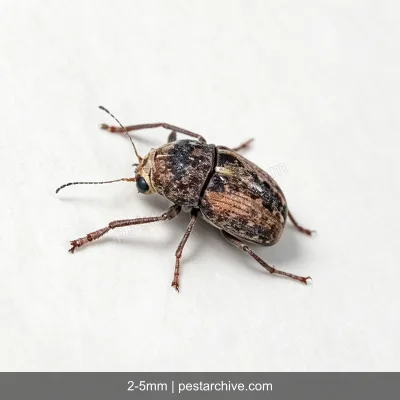
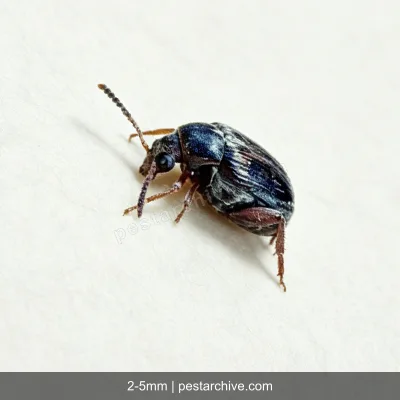
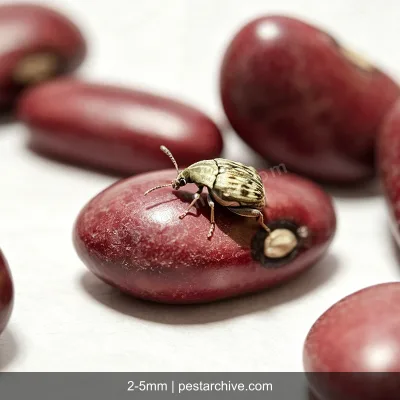
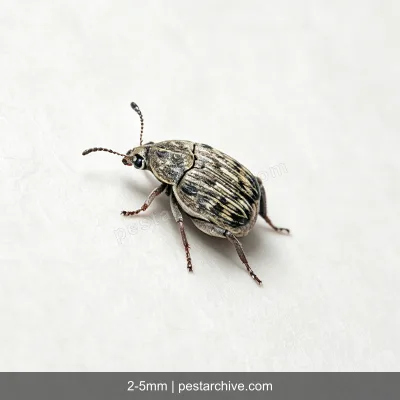
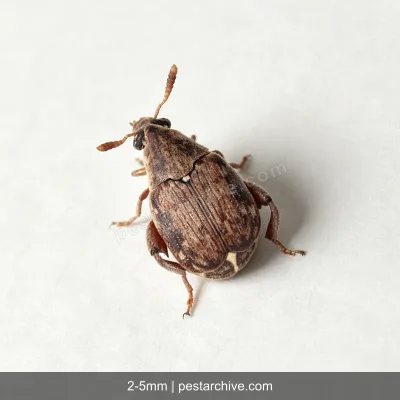
The tiny black bugs in your mung beans are bean weevils (family Bruchidae) — stored-product pests that specifically attack legumes. They're relatives of rice weevils, but bean weevils specialize in beans. The adults are slightly larger than rice weevils and don't have the long snout.
What Do Bean Weevils Look Like?
- Adult: Oval-shaped small beetle, about 3-5mm long
- Color: Dark brown or deep brown, with a dense covering of short hairs on the back
- Head: Broad forehead with saw-toothed or comb-like antennae (different from the elbowed antennae of rice weevils)
- How to tell them apart from rice weevils: Bean weevils lack the elephant-trunk-like snout. They're slightly bigger and have more hair on their backs.
How Bean Weevils Cause Damage
Their reproductive strategy is distinctive — the entire larval stage is spent inside a single bean:
- The female lays eggs on the surface of beans — dozens to over a hundred at a time.
- When the eggs hatch, the larvae chew directly through the seed coat and bore inside.
- The larva feeds and grows inside the bean — one bean provides enough nutrients to raise one adult.
- At 25-32 degrees C (77-90 degrees F), the full cycle from egg to adult takes just 25-30 days.
- When the adult chews its way out, it leaves a neat, round hole in the bean.
- They can produce 4-6 generations per year — breeding is especially rapid in warm seasons.
Which Beans Do They Attack?
- Mung beans (most common and most susceptible)
- Adzuki beans (red beans)
- Soybeans and black beans
- Fava beans and peas
- Cowpeas and kidney beans
- Peanuts (occasionally infested)
Are Bean Weevils Harmful to People?
Bean weevils pose no direct harm to humans — they don't bite, don't suck blood, and don't spread disease. Infested beans lose nutritional value (the protein and starch get eaten by the larvae) and the texture suffers. However, lightly infested beans can still be eaten after picking out the bugs and hollow shells. The real concern is that damaged beans absorb moisture easily and can grow mold. Moldy beans may produce aflatoxins and should not be eaten.
What to Do When You Find Them
- Put infested beans in a sealed bag and freeze at -18 degrees C (0 degrees F) for 48 hours to kill all life stages.
- Or spread them in the sun for 2-3 days (high summer heat works best).
- Sift out dead bugs and hollow shells. Pick out the hollowed beans.
- Check all other beans and dry goods in the house for infestation and treat together.
- Wash containers with hot water and dish soap. Vacuum cabinet corners clean.
- Store the treated beans in sealed containers and use them up quickly.