Are the small flying beetles in the kitchen bean weevils?
Are the small flying beetles in the kitchen bean weevils?
Small flying beetles found in the kitchen could be bean weevils, but they could also be other stored-product pests.
How to identify whether it's a bean weevil
Look at the appearance:
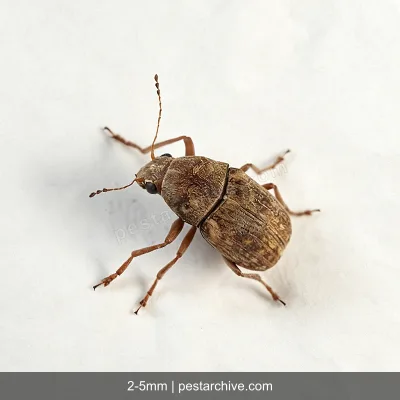
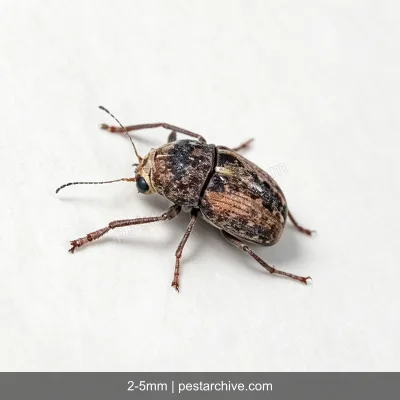
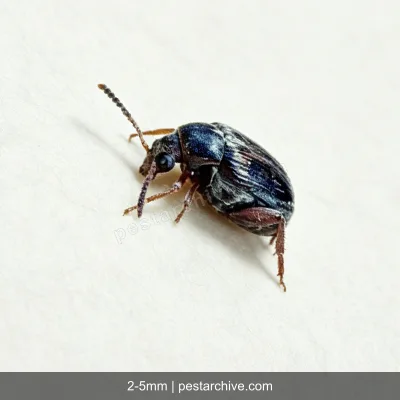
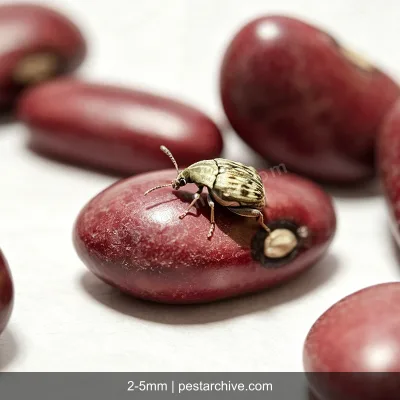
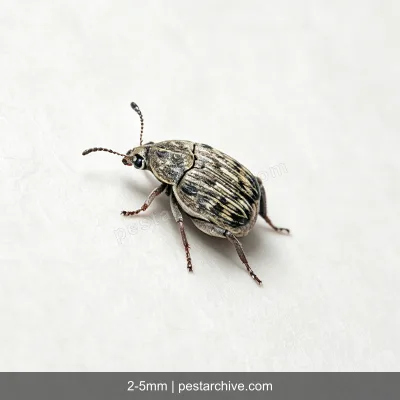
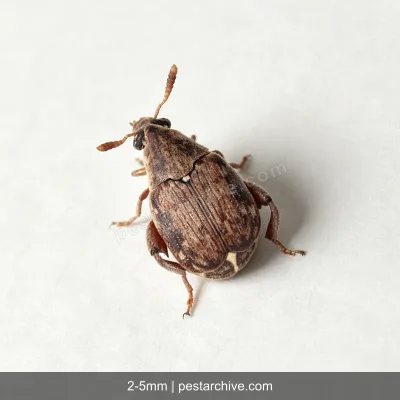
- Bean weevil: Oval, dark brown, 3-5 mm long, with short hairs on the back.
- Rice weevil: Has a long snout (like an elephant's trunk) and pale spots on the back.
- Cigarette beetle: Globular, reddish-brown, head tucked under the thorax (like a small pill).
- Drugstore beetle: Similar to the cigarette beetle, but the back has fine longitudinal rows of punctures.
Look at where it appears:
- Found near beans → likely a bean weevil.
- Found near rice → likely a rice weevil.
- Found near flour, spices, or dried fruit → likely a cigarette or drugstore beetle.
Look at activity time:
- Adult bean weevils are mainly active during the day and fly around the kitchen.
- Nocturnal flight toward light may also be bean weevils.
What to do if you catch one
Whether it's a bean weevil or not, finding small flying beetles in the kitchen warrants a thorough check:
- Inspect all food items
Check all dry goods in the kitchen:
- All beans (mung beans, red beans, soybeans, broad beans, etc.)
- Rice, millet, and other grains.
- Flour, pasta, rice noodles.
- Dried fruits and nuts.
- Spices and herbs.
- Pet food.
- Find the source
- Look for bags with insects or signs of boring.
- Look for bags with powder or dust falling from them.
- Finding the source is the only way to eliminate the infestation completely.
- Take action
- Once the source is identified, freeze or discard the infested food.
- Seal uncontaminated food immediately.
- Thoroughly clean cabinets and apply food-grade diatomaceous earth for environmental protection.