How to remove dust mites when there is an allergy sufferer at home?
How to remove dust mites when there is an allergy sufferer at home?
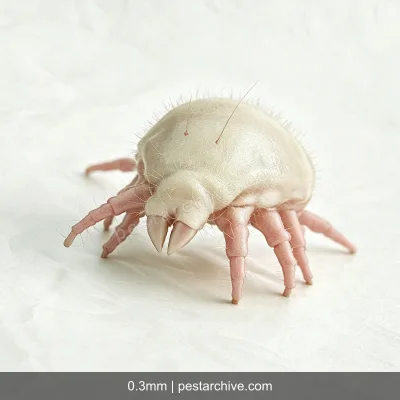
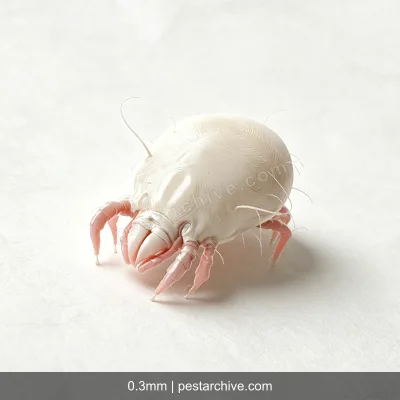
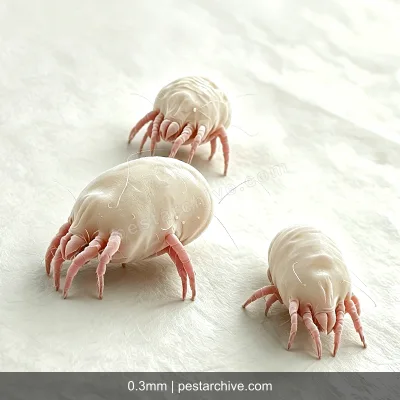
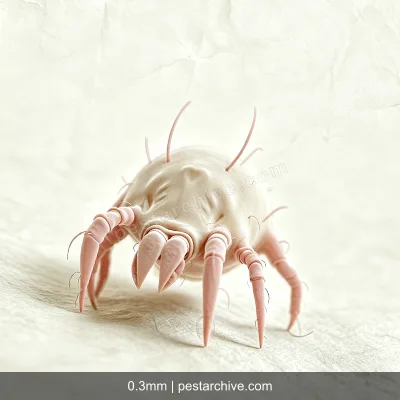
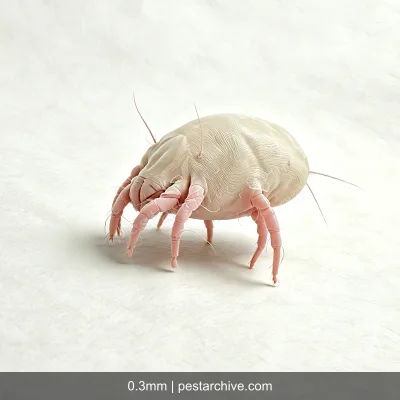
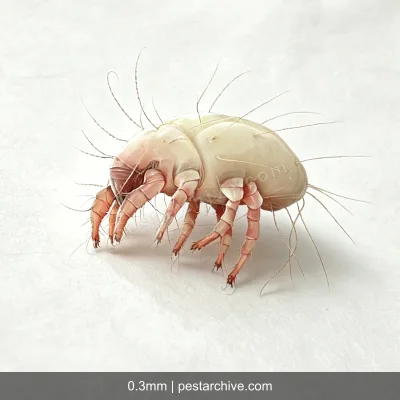
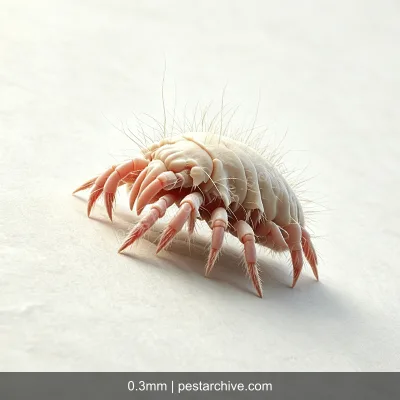
When there is a dust mite allergy sufferer at home, the focus of mite control is not "killing the mites" but "removing the allergens"—it is the mites' feces and body fragments that cause sneezing, runny nose, and itchy eyes.
Enhanced dust mite removal plan for allergy sufferers
- Bedroom—the key battleground
Bedding is where dust mites are most concentrated. Encase the mattress, pillows, and duvet core in allergy covers (pore size <6 microns). Wash sheets and pillowcases weekly in water at least 60°C. Normal wash temperatures (30-40°C) do not kill dust mites; high heat is essential.
- Humidity control—make it impossible for dust mites to survive
Place a dehumidifier in the bedroom and keep the humidity below 50%. Dust mites absorb moisture from the air through their body wall; they cannot survive below 50% humidity. This is more effective than any insecticide and completely safe for allergy sufferers.
- Vacuuming—remove allergens
Use a HEPA-filter vacuum to clean the mattress surface, headboard, carpets, and curtains weekly. HEPA filters capture dust mite allergens (fecal pellets ~10-30 microns in diameter), while ordinary vacuums can blow these allergens back into the air, potentially worsening allergies.
- Reduce dust-collecting items
Remove heavy carpets, fabric wall hangings, and stuffed toys from the bedroom. If a child cannot part with a stuffed toy, freeze it for 24 hours (to kill mites with cold), then wash it in hot water.
- Ventilation and sun exposure
Open windows on sunny days and expose bedding to sunlight. Ultraviolet light and dryness can kill some mites, but sun exposure cannot replace high-temperature washing—drying bedding mainly removes moisture, and temperatures are usually insufficient to kill mites deep inside.
Not recommended
- Avoid chemical insecticide sprays—they are of limited effectiveness against dust mites, and allergy sufferers may react to the chemicals.
- Avoid "mite-killing sprays"—most are low-efficacy against mites and, if sprayed directly on bedding, come into contact with skin.
Assessing effectiveness
After 2-4 weeks of consistent measures, allergy symptoms (morning sneezing, nasal congestion, itchy eyes) usually improve significantly. If improvement is not satisfactory, consider visiting an allergist for a specific dust mite IgE test to determine if immunotherapy is needed.