Can You Completely Get Rid of Dust Mites?
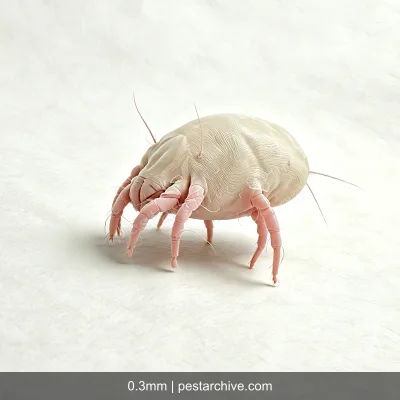
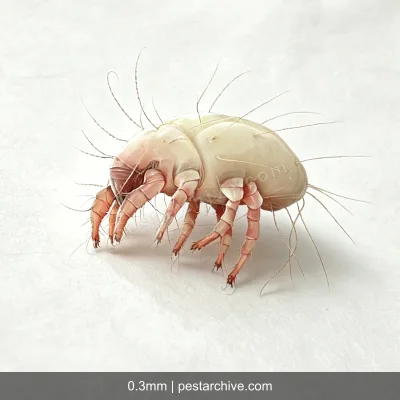
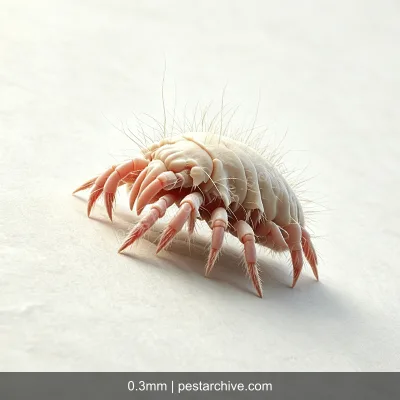
Does Sunning Your Comforter Get Rid of Dust Mites?
Sunning your comforter does help, but it has real limits. You can’t rely on sunlight alone. Understanding how sunning works—and where it falls short—will help you control dust mites more effectively.
The benefits of sunning
- Reduces moisture — Direct sun dries out the moisture trapped in comforter fibers. Dust mites need humidity above 50% to survive. Dry conditions suppress their activity.
- UV germ-killing — The UV rays in sunlight kill some bacteria and mold on the surface, reducing microbial growth.
- Removes odors — Fresh air and sun air out the sweat and musty smells absorbed by bedding.
The limits of sunning (this is the key part)
- UV doesn’t penetrate deep — Dust mites live deep inside the fiber fill. UV only kills microorganisms on the very surface. The inside of a thick comforter may only be a few degrees warmer than the outside air—nowhere near the 55°C needed to kill dust mites.
- Dead bodies and droppings stay behind — This is the biggest problem. What triggers allergy symptoms isn’t live mites so much as their fecal pellets and body fragments. If you sun without beating afterward, these allergens stay right where they were.
- Effect doesn’t last — Once the comforter cools down after sunning, humidity rises again quickly. The surviving mites start breeding again.
A trick to boost sunning effectiveness
If sunlight is your only option, put the comforter inside a black plastic bag before placing it in the sun. Black absorbs heat, and the temperature inside the bag can get 5–10°C hotter than direct sun alone—much closer to the 55°C kill threshold.
The right way to sun your comforter for dust mite control
- Full sun exposure — Leave it in direct sun for 4–6 hours, flipping once halfway through
- Beat it hard — After sunning, beat the comforter vigorously with a racket or stick to shake the dead mites, droppings, and dust loose. To avoid a dust cloud, put the comforter inside a large cloth bag or fold it so the inner surface faces outward, then beat it.
- Vacuum afterward — Use a HEPA-filter vacuum to go over the entire surface, especially the seams and edges that are easy to miss
- Wash whenever possible — For machine-washable comforters, a regular 60°C+ hot water cycle is far more reliable than sunning
- A dryer is even better — If you have access to one, 30 minutes on high heat in a dryer does a much better job at killing mites than the sun
Sunning tips by comforter material
- Cotton comforters — Can handle long sun exposure and vigorous beating. Durable in the sun.
- Down comforters — Don’t sun too long (1–2 hours max). High heat damages down. Better to air in a shaded, breezy spot and use a dryer on low heat.
- Synthetic comforters — Handle sun well but avoid high-heat drying. Sun and beat, then you’re done.