How Often to Wash Sheets for Dust Mite Control
What Are the Health Risks of Dust Mites?
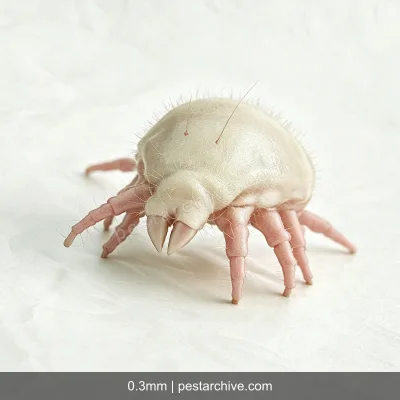
Dust mites don't spread infectious diseases (unlike mosquitoes spreading malaria or fleas spreading plague), but they are one of the most common indoor allergens, especially for people with allergies.
How Do Dust Mites Cause Health Problems?
Dust mites themselves don't directly make you sick. It's their byproducts that cause issues:
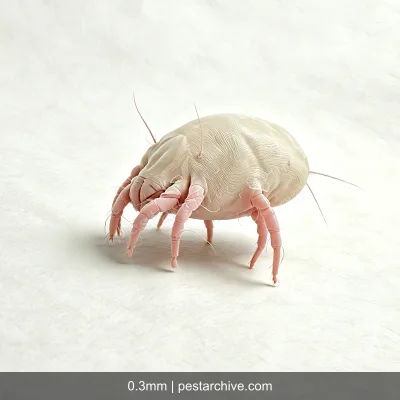
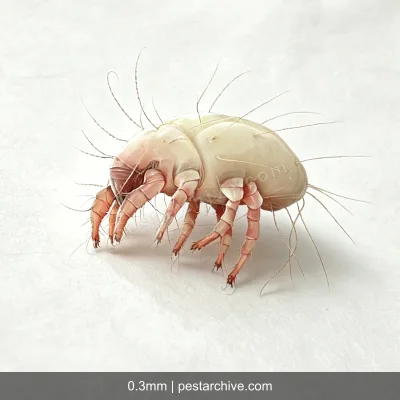
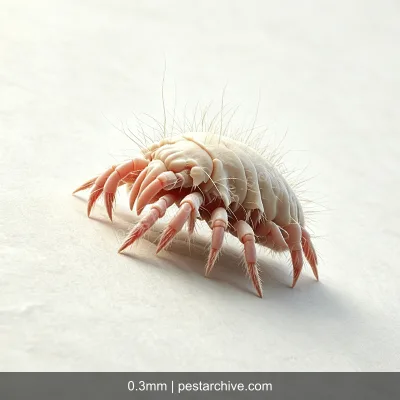
- Fecal pellets — Each dust mite produces about 20 fecal pellets a day. These pellets are only 10-20 microns in diameter. When they dry out, they crumble and become airborne.
- Body fragments — Dust mites live about 2-4 months. After they die, their bodies break down into tiny fragments.
- Shed skins — Dust mites molt several times as they grow. The empty shells also become allergens.
- Saliva and secretions — The enzymes dust mites use to digest their food are allergenic.
These allergen particles are extremely small and can stay suspended in the air for a long time. When you breathe them in, they trigger an immune system response.
Common Dust Mite-Related Conditions
- Allergic rhinitis — Persistent or seasonal nasal congestion, runny nose, sneezing, and itchy nose. Dust mites are the most common trigger for year-round allergic rhinitis.
- Allergic asthma — Recurrent chest tightness, wheezing, coughing, and difficulty breathing. Dust mite allergy is one of the leading triggers for childhood asthma.
- Atopic dermatitis (eczema) — Dry skin, redness, bumps, and intense itching. Contact with dust mite allergens on the skin can trigger or worsen flare-ups.
- Allergic conjunctivitis — Itchy, red, watery eyes with a gritty sensation.
Who Is Likely to Be Allergic to Dust Mites?
Dust mite allergies tend to run in families. If one parent has a history of allergies, the child's risk goes up. If both parents have allergies, the risk is even higher. But not everyone reacts to dust mites — it depends on how your individual immune system responds.
Why Dust Mite Control Matters
For people with allergies, reducing indoor dust mite populations is a foundational step for managing symptoms:
- Reduce your reliance on medication
- Improve sleep quality
- Lower the frequency of asthma attacks
- Relieve skin itching