Do sowbugs carry germs?
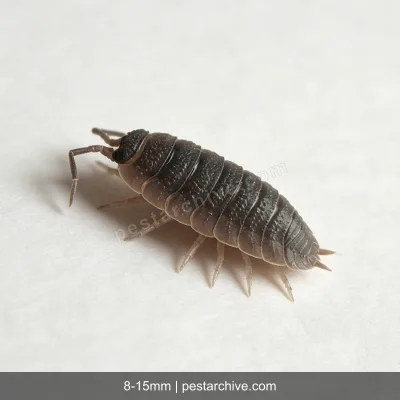
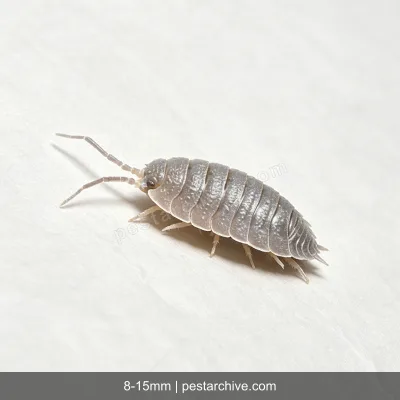
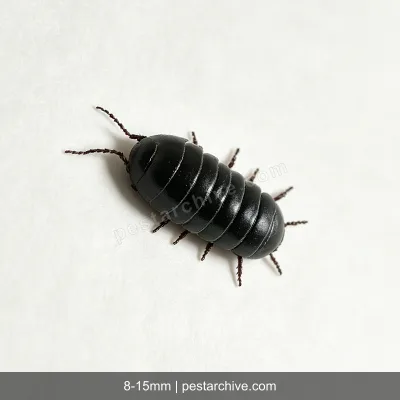
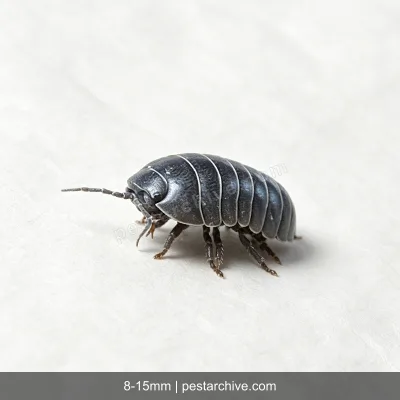
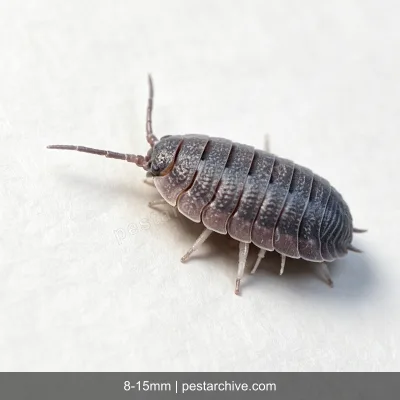
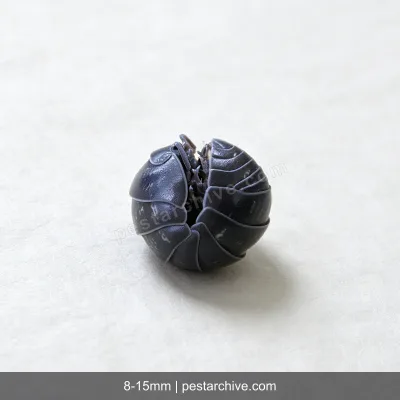
Do sowbugs carry germs?
Sowbugs live in damp, decaying environments and may pick up various microorganisms on their bodies. However, they are not disease vectors on the same level as flies or cockroaches.
Germ-carrying potential
- Sowbugs move through decaying plants, soil, and drains, so they may carry bacteria and mold on their bodies.
- It is unhygienic if they crawl over utensils or countertops.
- However, they are not attracted to food (unlike flies and cockroaches), so the actual contamination risk is lower.
- No studies have shown that sowbugs transmit diseases.
Difference from flies and cockroaches
- There is clear evidence that flies transmit diseases; there is no such record for sowbugs.
- Cockroaches carry pathogens and contaminate food; sowbugs do not actively enter food storage areas.
- Sowbugs are mainly found in damp corners of bathrooms and under plant pots, not on kitchen counters.
- Therefore, their hygiene risk is much lower than that of flies and cockroaches.
The core issue is not the sowbugs themselves
- Sowbugs themselves are not a major problem; their presence reveals an environmental issue.
- They indicate that the house is too damp and has poor ventilation.
- Damp environments are prone to growing harmful microorganisms like mold, which is a health risk to address.
- Don't just focus on the sowbugs; solve the underlying moisture problem.
Treatment recommendations
- A few sowbugs here and there are not a concern; simply improve ventilation and dehumidification.
- If numbers increase, apply bifenthrin spray along corners and baseboards to kill them.
- If sowbugs have crawled over utensils or counters, wash and disinfect them before use.
- Maintaining a dry, clean environment is the key—sowbugs disappearing doesn't mean the moisture problem is solved; continue to dehumidify.