Can bifenthrin kill sowbugs?
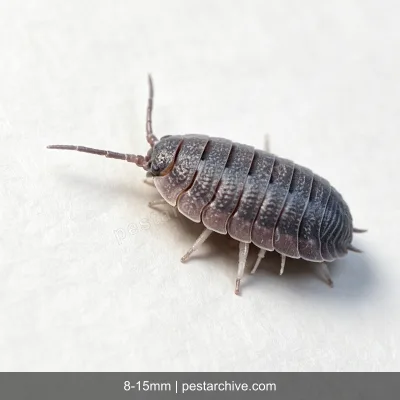
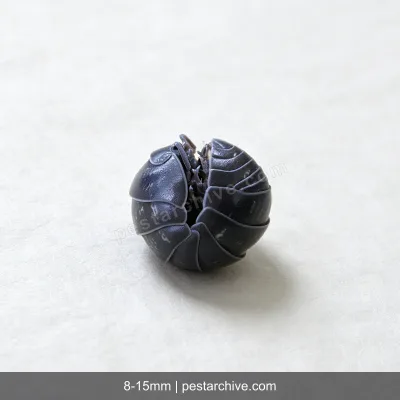
Can bifenthrin kill sowbugs?
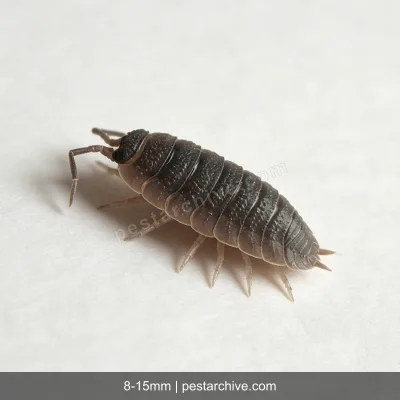
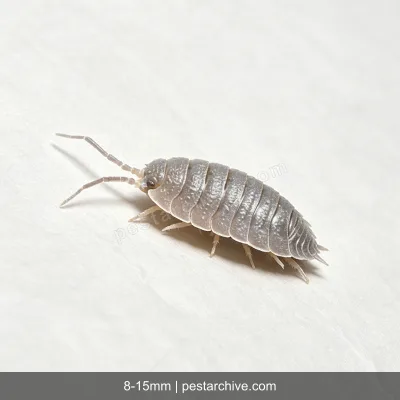
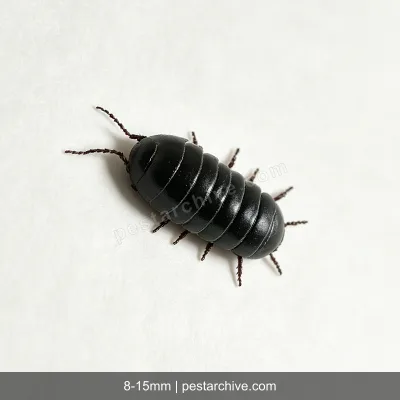
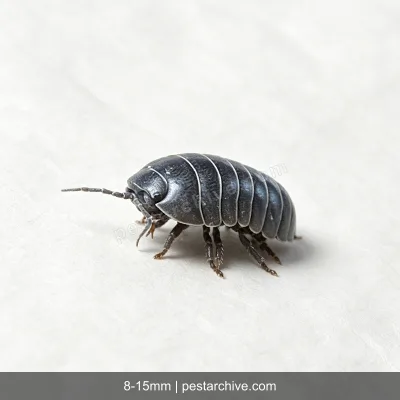
Bifenthrin is highly effective against sowbugs. Sowbugs have thin bodies and crawl close to the ground, so their abdomens and legs have extensive contact with treated surfaces, leading to efficient absorption of the insecticide.
Why is it effective?
- Bifenthrin is a contact insecticide; sowbugs experience nervous system poisoning upon contact.
- Sowbugs crawl along the ground and baseboards; their abdomens and legs are in extensive contact with the treated film.
- They die within hours of contact.
- Once dry, it forms an invisible film that withstands normal cleaning (avoid direct water washing).
- The residue lasts 2-4 weeks.
Application method
- Spray on corners, door edges, and around drainpipes where sowbugs frequently appear; apply until the surface is slightly damp.
- Also spray baseboard edges and tile gaps—these are the routes they use at night.
- Apply a 30 cm wide band of spray along the outdoor foundation to prevent outdoor sowbugs from entering.
- Hold the nozzle 20-30 cm from the surface and spray evenly.
Precautions for bathrooms and kitchens
- Wait 1-2 hours for the spray to dry completely before using the bathroom again.
- Avoid washing or scrubbing the treated area with water—reapply if the area gets wet.
- Do not spray on food, utensils, or cutting boards.
- Cover cookware and ingredients when spraying in the kitchen.
Combined approach
Combine bifenthrin spraying with dehumidification and cleaning for long-term control. Spraying alone without dehumidification will only lead to more sowbugs crawling in from outside. The best approach is: dehumidify and seal first, then spray to kill.