Why do sowbugs appear in the house?
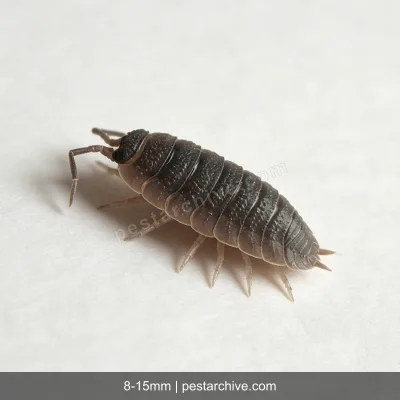
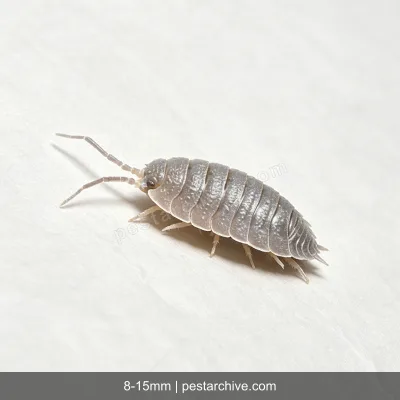
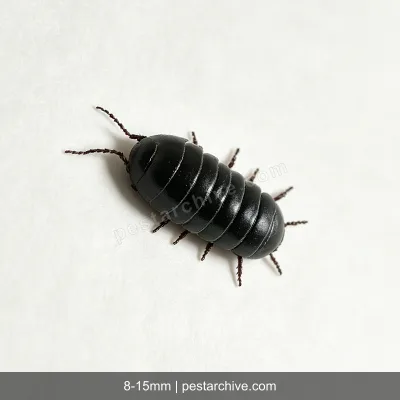
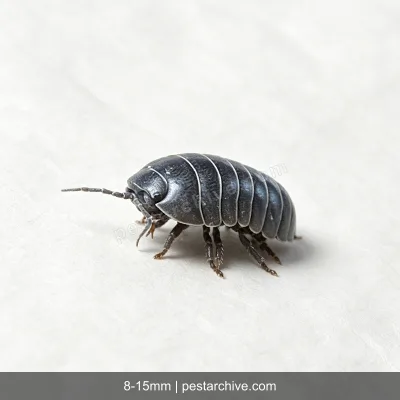
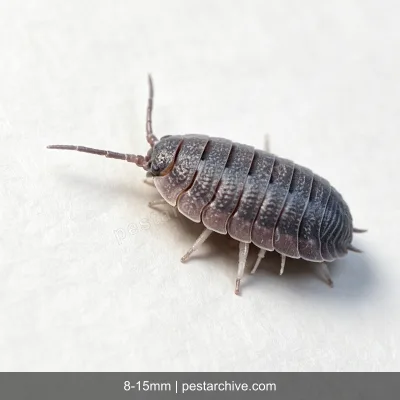
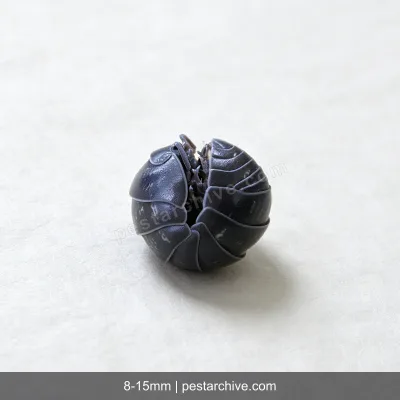
Why do sowbugs appear in the house?
Sowbugs appear in the house when three basic conditions are met: moisture, hiding places, and food. All three are essential.
The house is too damp—the root cause
Sowbugs breathe through gills and require a high-humidity environment to survive:
- Bathrooms, kitchens, and basements have high humidity and are the most common places to find them.
- There is standing water or leaking pipes.
- Poor ventilation traps moisture after showers.
- If the house is dry (humidity below 50%), sowbugs will die of dehydration within a few days.
Hiding places—where they hide during the day
Sowbugs are nocturnal, hiding in dark, damp crevices during the day:
- Under piles of debris, cardboard boxes, or wood.
- In flower pot trays and under the pots themselves.
- In crevices between damp bricks and stones.
- In gaps behind damaged baseboards.
Food—what they eat
Sowbugs eat decaying organic matter:
- Dead leaves, weeds, decaying plant debris.
- Food scraps in kitchen corners.
- Mold and moss.
- All common in damp environments.
Entry routes—how they get in
- First floors are most vulnerable due to proximity to soil; they crawl in through door and wall gaps.
- Up from drains and floor drains (especially in bathrooms).
- In soil of potted plants—eggs or juveniles may be brought in during repotting.
- From outdoor piles of bricks or wood stacked against the wall, they crawl directly inside.
What to do after finding them
Sowbugs are active at night and hide during the day. Don't just kill the ones you see; check for moisture sources and entry routes. First, dehumidify and seal gaps, then use bifenthrin sprays to eliminate any remaining sowbugs.