House Flies vs. Fruit Flies: What's the Difference?
What's the Difference Between House Flies and Fruit Flies?
House flies and fruit flies are both flying insects, but they differ greatly in appearance, behavior, and control methods. Telling them apart lets you choose the right approach.
Appearance
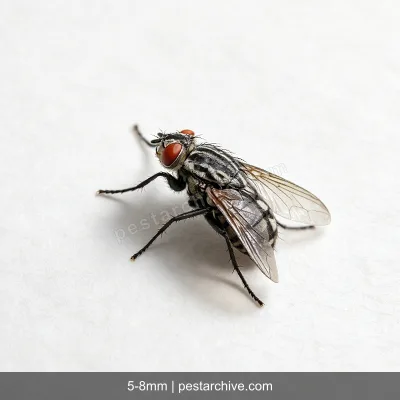
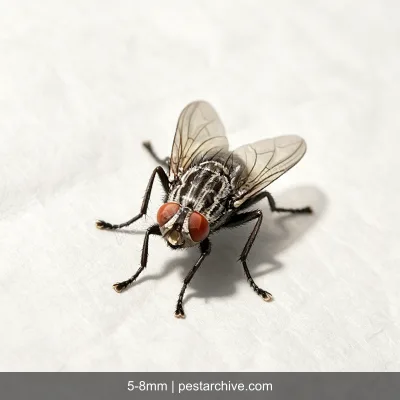
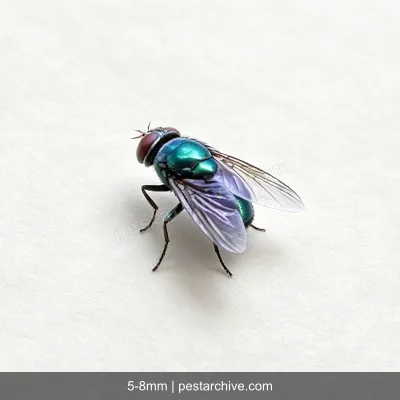
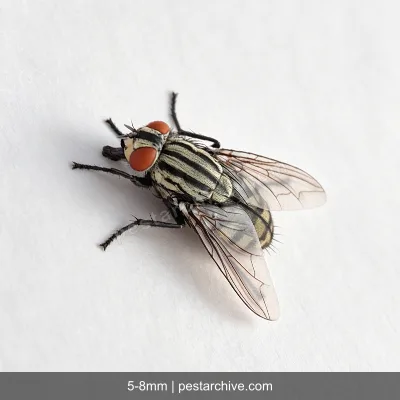
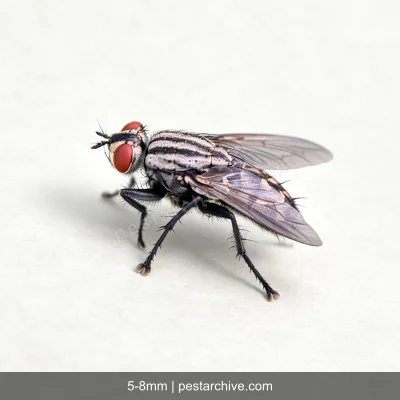
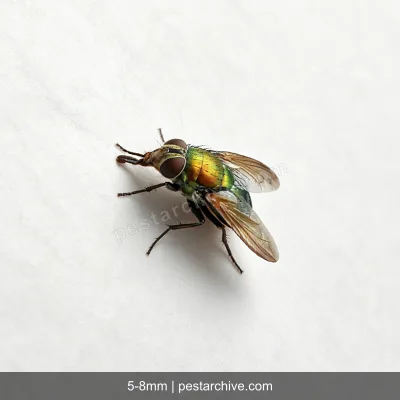
- House fly: Larger (6-9mm), grayish-black, thorax has four black lengthwise stripes, reddish-brown eyes, fine hairs all over the body. Flight is heavy with a distinct buzzing sound.
- Fruit fly: Much smaller (2-4mm), pale yellowish-brown or tan. The most striking feature is bright red compound eyes. Flight is light and nimble, barely audible.
Behavior
- House fly: Active during the day. Eats anything — garbage, leftovers, feces, decaying organic matter. Likes to rest on walls, ceilings, and light cords. Not picky but prefers animal protein and sweets.
- Fruit fly: Almost exclusively interested in fermenting fruit and sweet substances — rotting fruit, juice, beer, vinegar, wine bottles. Weak flier; activity range is typically right around the food source.
Breeding Environment
- House fly: Lays eggs in decaying organic matter — garbage piles, feces, dead animals, sewer sludge. Larvae (maggots) grow in moist organic material.
- Fruit fly: Lays eggs on the surface of rotting fruit — overripe banana peels, rotten apples, grapes, etc. Larvae feed on the fermenting fruit flesh.
Control Methods
- House fly control: Focus on window screens, sealed trash cans, environmental sanitation, and residual surface treatments. A whole-house approach is needed.
- Fruit fly control: Focus on managing fruit — refrigerate leftovers, dispose of food scraps promptly, use a lidded trash can. DIY traps with vinegar + dish soap work well.
In a Nutshell
"The loud, gray, buzzing fly is a house fly. The tiny red-eyed insect circling your rotting fruit is a fruit fly."