Do flies lay eggs in garbage bins?
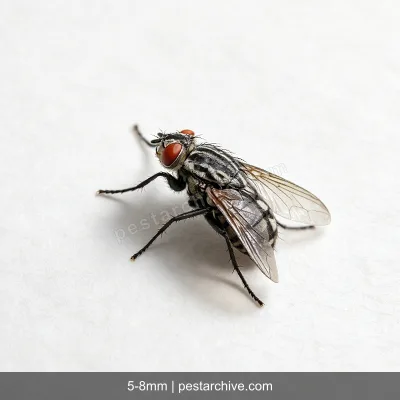
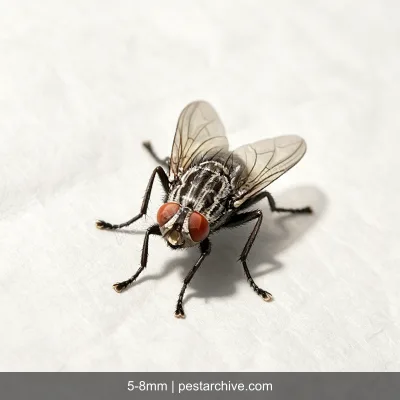
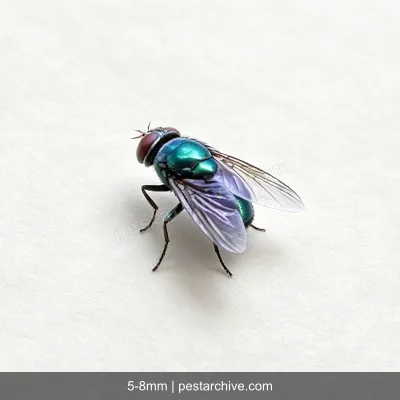
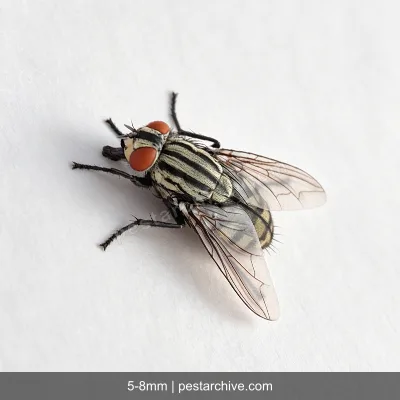
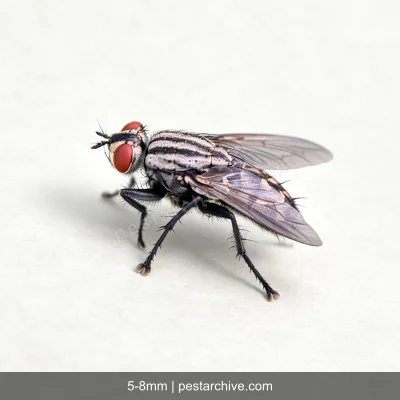
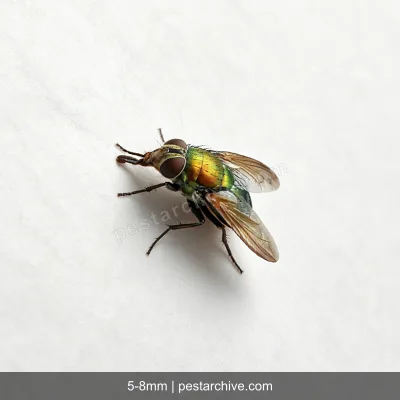
Do flies lay eggs in garbage bins?
Yes, garbage bins are the most ideal indoor breeding site for flies. Understanding the breeding process helps with targeted control.
Breeding process in garbage bins
- Attraction — odors from leftover food, fruit peels, and vegetable scraps fermenting in the bin attract flies from several meters away.
- Egg laying — female flies lay 50-150 eggs on the inner walls of the bin, on the garbage bag opening, or on rotting food surfaces.
- Hatching — at summer temperatures of 25-30°C, eggs hatch into larvae (maggots) within 8-12 hours.
- Larval growth — maggots feed on rotting food for 4-7 days, molt three times, then crawl to dry areas to pupate.
- Emergence — after 3-5 days in the pupal stage, new adults emerge and begin a new breeding cycle.
From egg to adult takes only 7-10 days — this is why a bin left uncleaned for a few days suddenly produces many small flies.
Key points for fly-proofing garbage bins
- Keep covered — choose bins with tight-fitting lids and keep them closed.
- Empty and wash frequently — dispose of kitchen waste daily; thoroughly scrub the bin interior with hot water and dish soap weekly.
- Use intact bags — ensure garbage bags are not torn to prevent liquid leakage that attracts flies.
- Chemical control — spray dinotefuran-containing insecticide on the inner lid and rim of the bin; flies that land there while laying eggs die, and newly hatched larvae are also killed.
- Bin placement — place bins in cool, ventilated areas, not in direct sunlight, as heat accelerates decomposition and breeding.