Does Dinotefuran Work on House Flies?
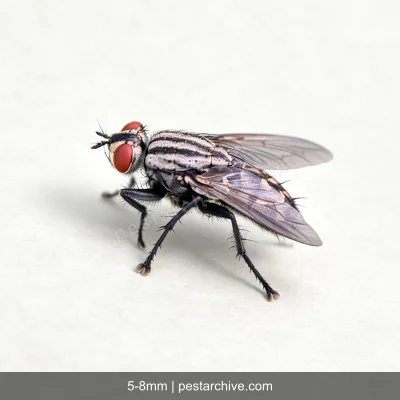
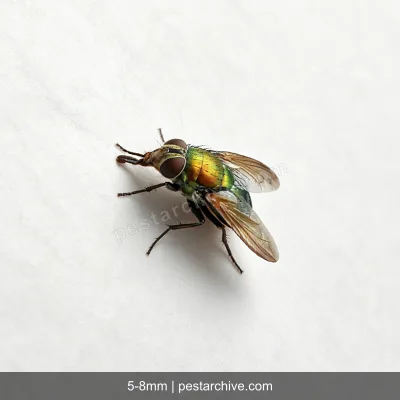
Where Do Flies Hide in Winter?
Seeing a fly in your house during winter isn't strange — they have unique overwintering strategies. Understanding how flies survive winter helps you get ahead of them before spring.
How Flies Overwinter
Flies primarily overwinter as pupae, with a smaller number surviving as adults or larvae.
- Pupal Overwintering (Most Common)
The last batch of fly larvae in late summer/early fall crawls to a dry, warm location to pupate. They spend the entire winter in the pupal stage and emerge as adults when temperatures rise the following spring. The pupal case is tough and fairly cold-hardy, allowing safe passage through winter.
- Adult Overwintering
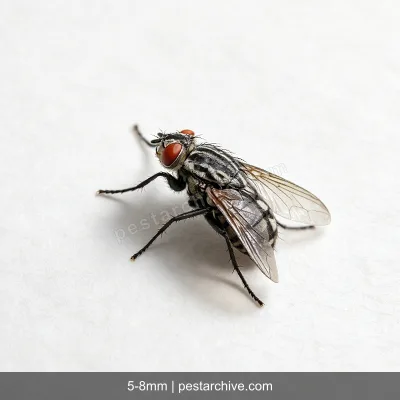
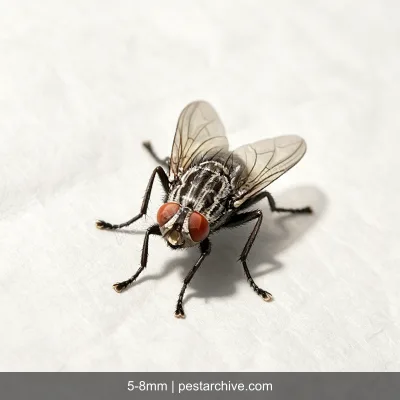
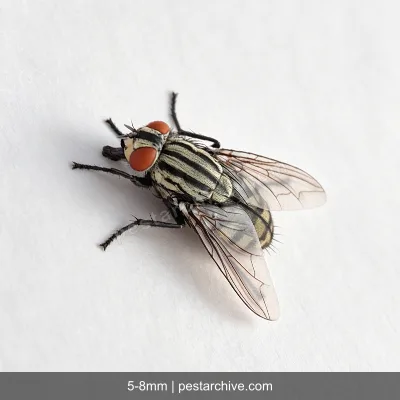
Some flies (mainly cluster flies) overwinter as adults. Before winter sets in, they find a warm, sheltered place to hide and enter a "hibernation" state (diapause), not eating or moving to conserve energy.
Common Indoor Overwintering Spots
- Heating pipe gaps and radiator fins — Warm, hidden, and ideal for flies to pass the winter
- Ceiling voids and suspended ceiling spaces — Warmer than exterior walls; flies can safely overwinter
- Storage room corners and attics — In piles of undisturbed clutter
- Heat vents next to refrigerator compressors — The warm exhaust air maintains a favorable microclimate
- Above windows and curtain valances — Warmed by direct sunlight
What It Means to See Flies in Winter
Finding flies in your home in winter (usually larger-bodied and sluggish) tells you:
- Your home has warm corners suitable for fly overwintering
- These flies may revive and breed when spring returns
- You should inspect heating pipes, ceiling spaces, and other hidden areas
Winter Control Tips
When you find flies in winter, you can simply vacuum them up or swat them — they're slow and easy to catch at this time. Also, inspect and seal gaps around heating pipes to reduce hiding spots.