How to use dinotefuran-containing household insecticide spray against flies?
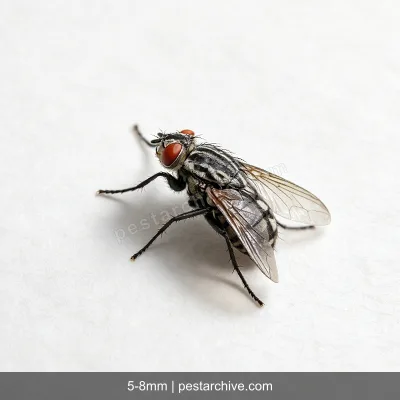
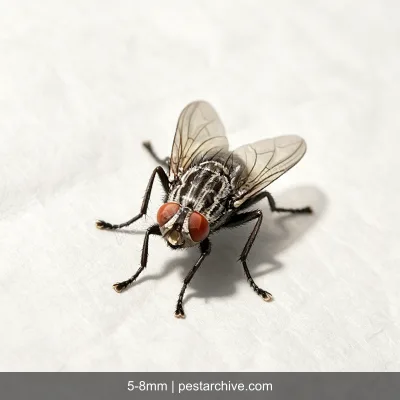
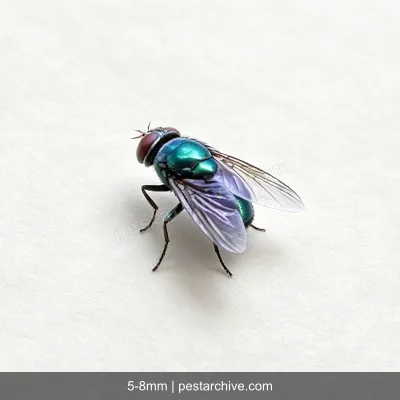
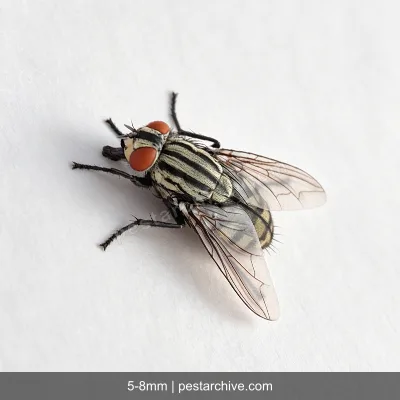
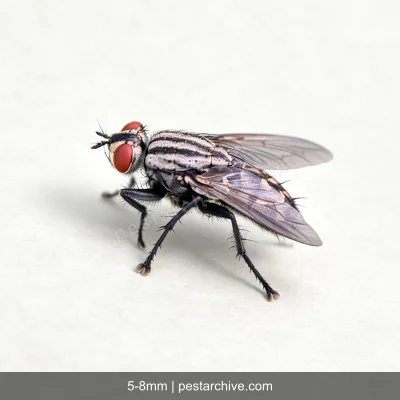
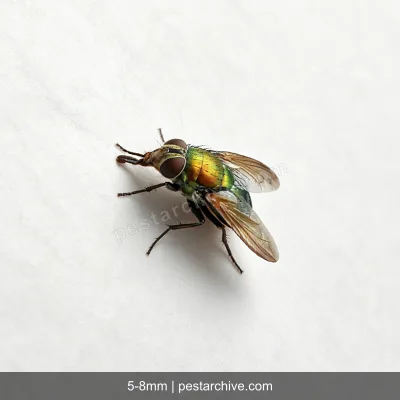
How to use dinotefuran-containing household insecticide spray against flies? Dinotefuran-containing sprays are highly effective against flies. Unlike mosquito coils or aerosol sprays, they are used for "residual spraying" — applied to surfaces to form a film that kills flies upon contact.
Dinotefuran spray vs. traditional fly insecticides
- Traditional aerosols: sprayed directly at flies; you need to see the fly to spray; effectiveness lasts only minutes.
- Dinotefuran residual spray: applied to surfaces where flies rest; once dry, it forms an invisible film; flies die upon landing; residual effect lasts 2-4 weeks.
Correct usage of dinotefuran spray against flies
- Identify fly resting spots:
- Window frames and screens — flies rest here while waiting to enter.
- Light fixtures and around ceiling lamps — flies are phototactic and gather near lights in the evening.
- High walls — flies prefer resting above 1.5 meters.
- Garbage bin lids and surrounds — flies land here first when attracted by odors.
- Door frames and lintels — above the entrance.
- Spraying method:
- Hold the nozzle 20-30 cm from the surface; spray evenly until slightly damp.
- Do not over-apply; an even coating is sufficient.
- Once dry, the residue is colorless and odorless, preserving aesthetics.
- Timing:
- Spray regularly during fly season (spring and summer).
- Treat key areas immediately when flies are found indoors.
Precautions
- This is a contact insecticide, not a repellent. Flies will not avoid it and will land on treated surfaces.
- Do not spray on food, utensils, or countertops.
- Keep pets and children away during application; allow to dry completely before normal activities.
- Reapply on screens after rain.